ToGo Tableware
Sustainable Insights

TogoTableware Insights

Discover the latest trends in sustainable tableware, eco-friendly packaging solutions, and industry insights from our experts

10+
Articles
50K+
Readers
Weekly
Updates

All Articles

How Much Food Per Person?
Article
Apr 764 min

How Much Food Per Person?

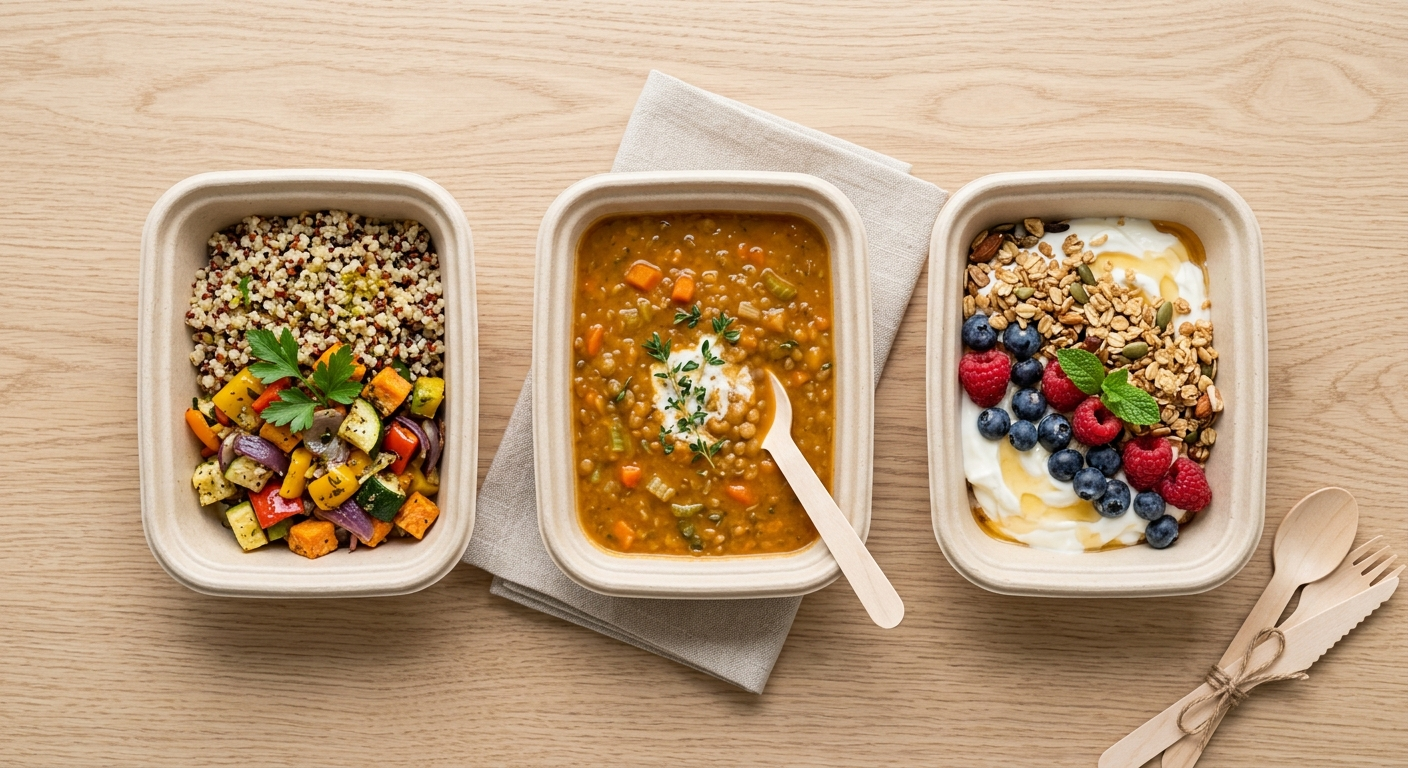
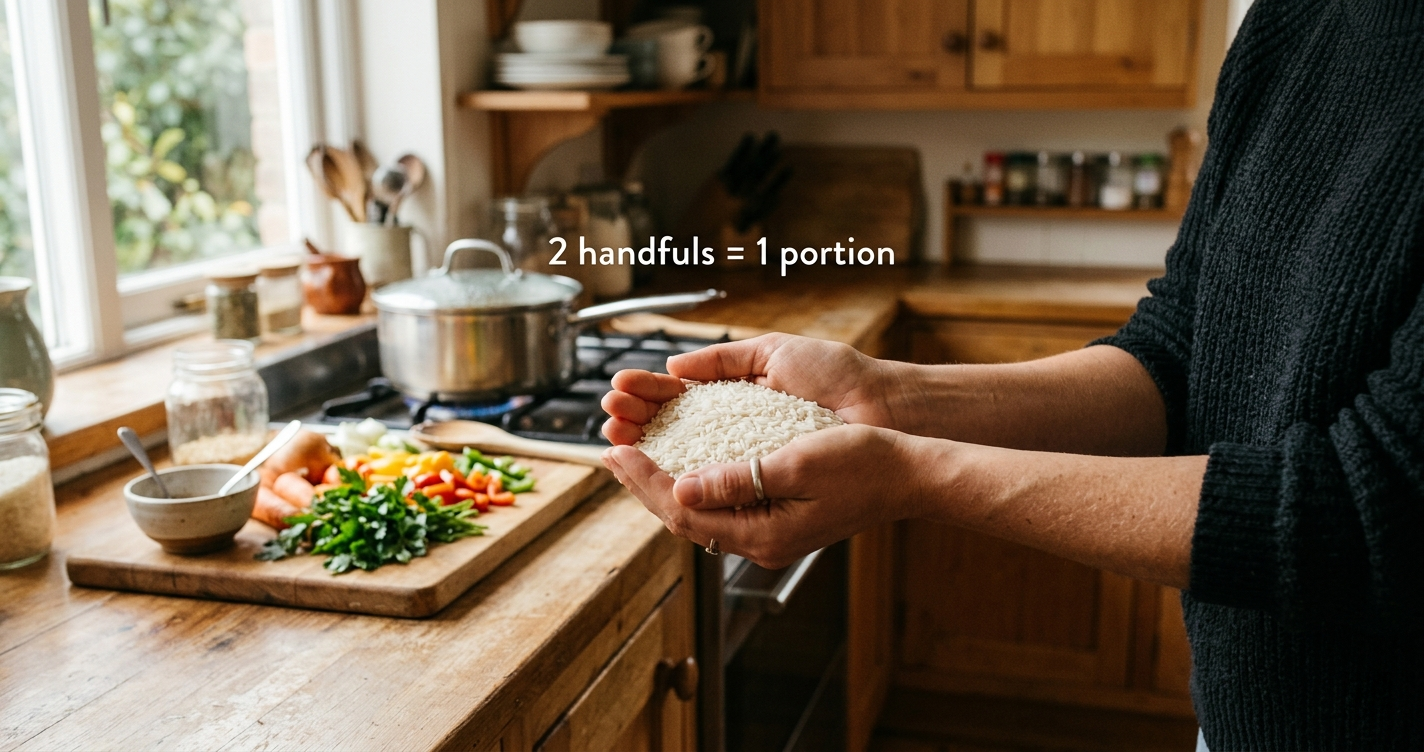
Cooking for family or friends? Use your hands to measure perfect portions every time. Two handfuls of dry rice or pasta feeds one person as a main dish, while proteins should be palm-sized. This guide shows you exactly how much food per person without needing a scale.
Jane Kate
Jane Kate
Read
How to Calculate Portion Sizes for Catering Events?
Article
Apr 730 min

How to Calculate Portion Sizes for Catering Events?

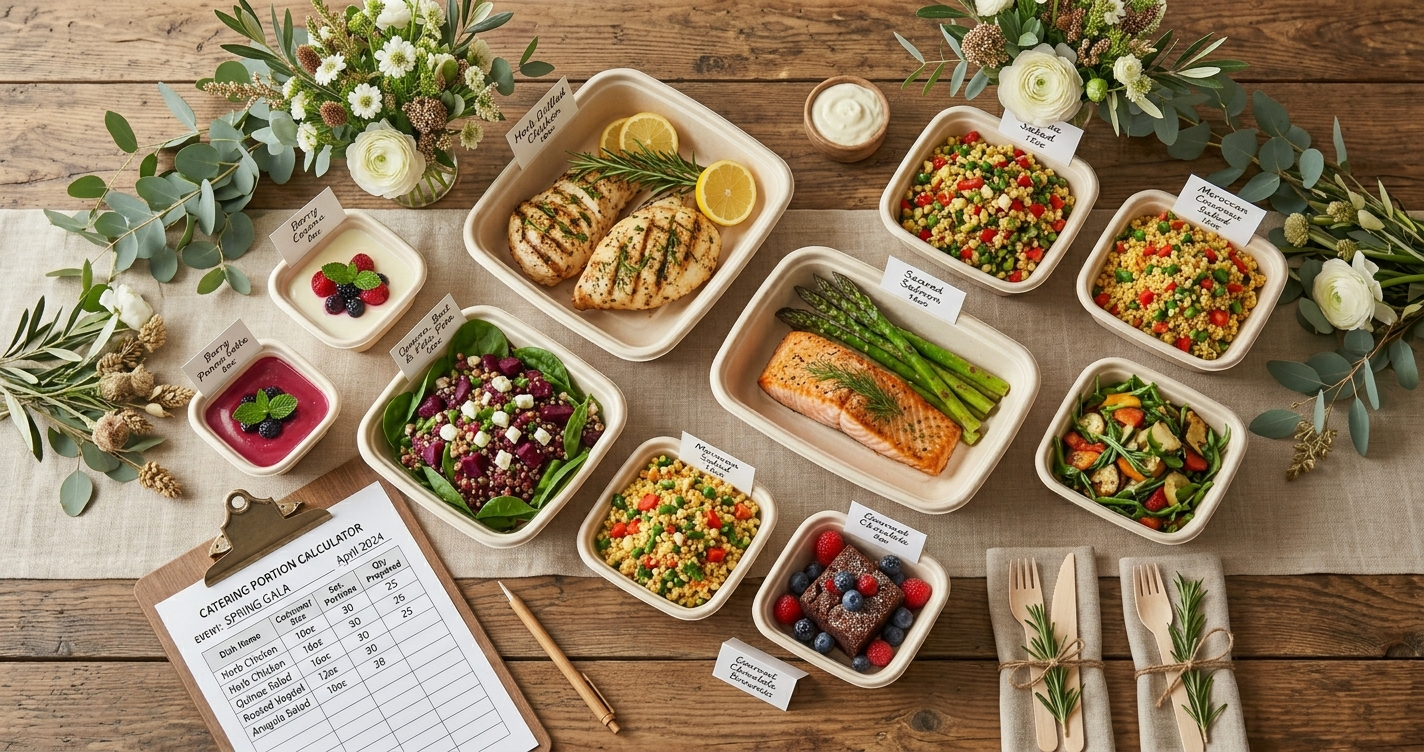
Accurate portion calculation prevents food waste and budget overruns at catered events. Industry standards recommend 4-6 oz protein, 4 oz starch, and 3-4 oz vegetables per guest for plated meals. This guide provides data-backed portion formulas, container sizing, and a free calculator for events from 20 to 500+ guests.

J
Jane Kate
Read
What's the Difference Between Liquid Ounces and Dry Ounces?
Article
Apr 743 min

What's the Difference Between Liquid Ounces and Dry Ounces?

Liquid ounces measure volume (space), while dry ounces measure weight (mass). This fundamental difference causes confusion in food service operations and leads to portioning errors. Understanding the distinction ensures accurate container sizing, proper food costing, and regulatory compliance.

J
Jane kate
Read
How Many Ounces Should My Takeaway Containers Be?
Article
Apr 744 min

How Many Ounces Should My Takeaway Containers Be?

Choosing the right container size directly impacts your food costs and customer satisfaction. Too small and customers feel shortchanged. Too large and you're wasting money on packaging and food. This guide breaks down standard sizes from 8oz to 32oz with a free calculator to find your perfect match.

J
Jane Kate
Read
Why Are Meal Prep Containers Usually 24 oz?
Article
Apr 430 min

Why Are Meal Prep Containers Usually 24 oz?

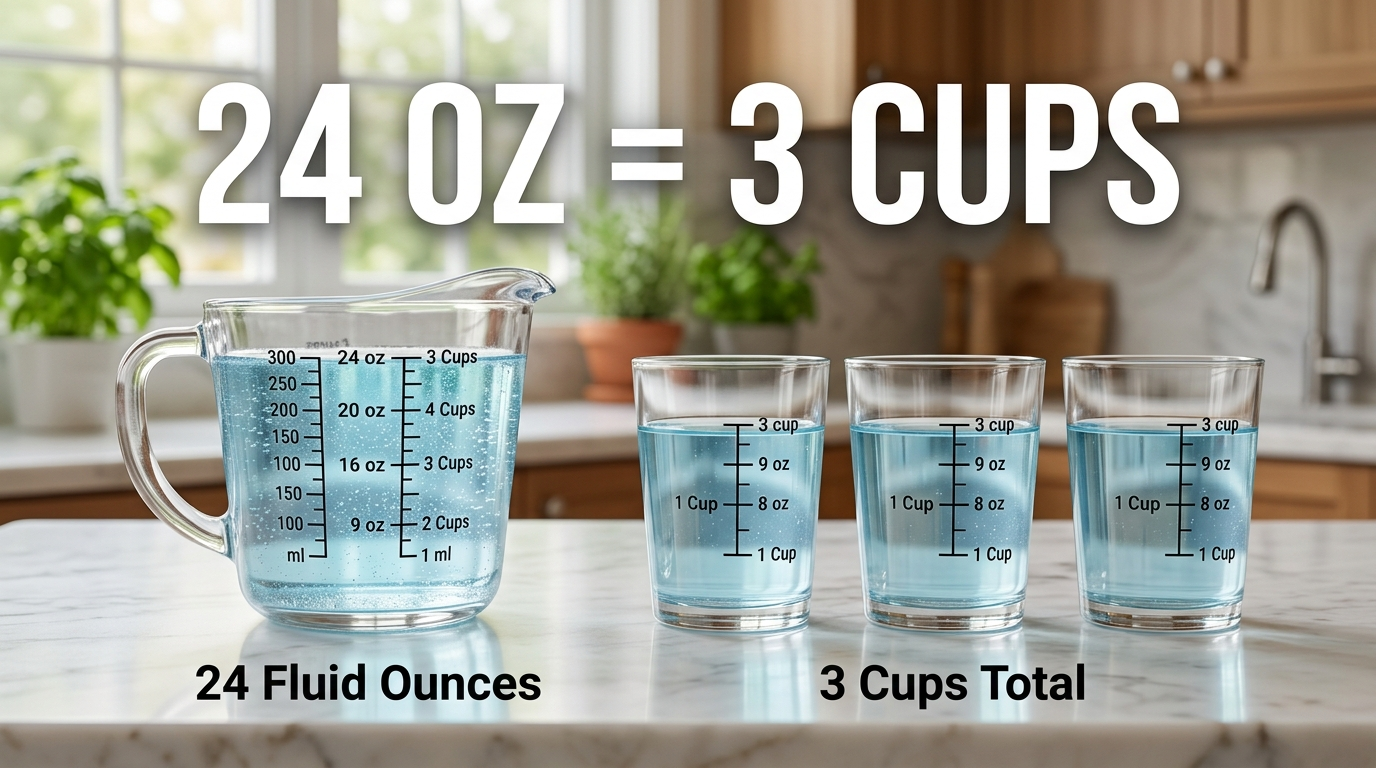
24 fluid ounces equals 3 cups. This size has become the standard for meal prep containers and large iced drinks for good reason - it holds a complete meal with protein, carbs, and vegetables, or a generous cold beverage with plenty of room for ice. This guide explains why 24 oz became the go-to size and how to use it effectively.

Jane Kate
Jane Kate
Read
How Many Cups is 20 oz? Why This Size Became the Coffee Shop Standard
Article
Apr 429 min

How Many Cups is 20 oz? Why This Size Became the Coffee Shop Standard

20 fluid ounces equals 2.5 cups (2 and 1/2 cups). This is the standard Venti size for hot drinks at Starbucks, but there's a twist when it comes to cold beverages. This guide explains why 20 oz became the industry standard, how ice changes everything, and what this means for choosing the right containers.

a
admin
Read
How Do You Bend Bamboo Without Breaking It? A Step-by-Step DIY Guide
Article
Apr 436 min

How Do You Bend Bamboo Without Breaking It? A Step-by-Step DIY Guide

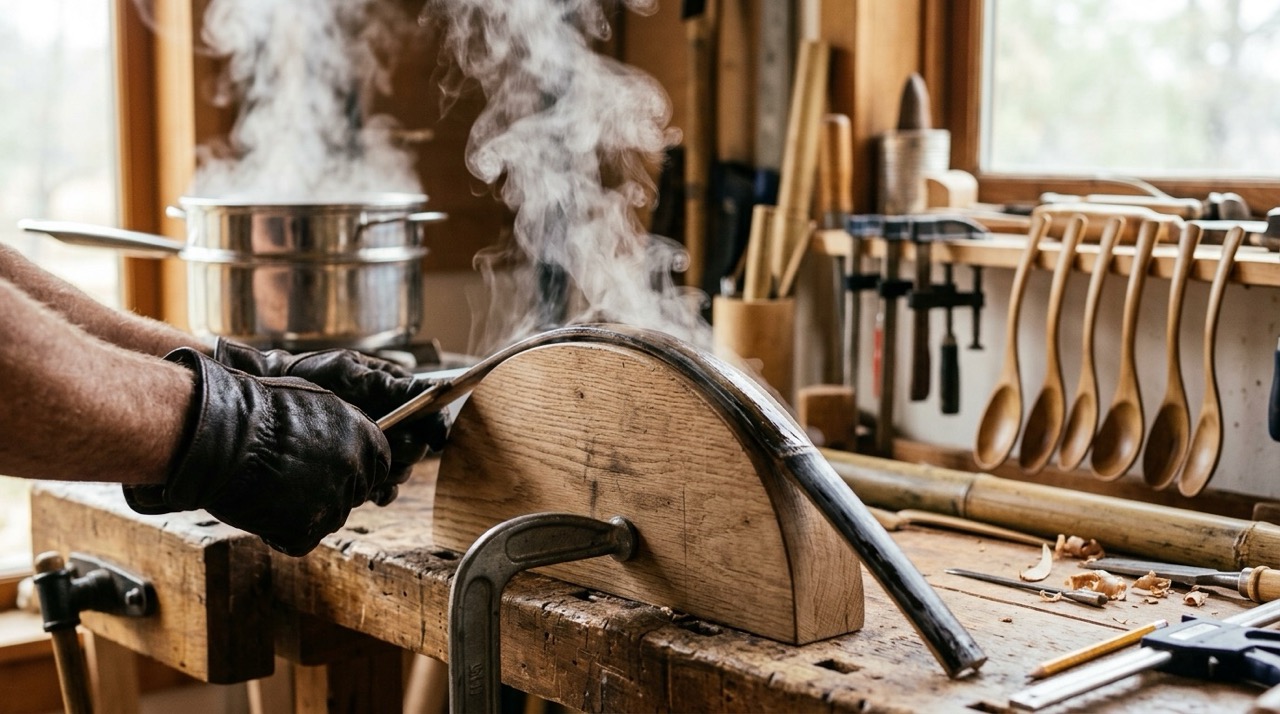
Bending bamboo without breaking it is easier than you think. The secret is heat—when bamboo reaches 150°F, its natural lignin softens, making the fibers pliable. This guide covers three proven methods: steam bending (best for beginners), heat bending (traditional approach), and cold bending (for gentle curves). You'll learn what tools you need, step-by-step instructions, common mistakes to avoid, and creative project ideas for curved utensils and decorative pieces.

J
Jane Kate
Read
16 oz Equals How Many Cups? Understanding Pints, Measurements & Container Sizes
Article
Apr 433 min

16 oz Equals How Many Cups? Understanding Pints, Measurements & Container Sizes

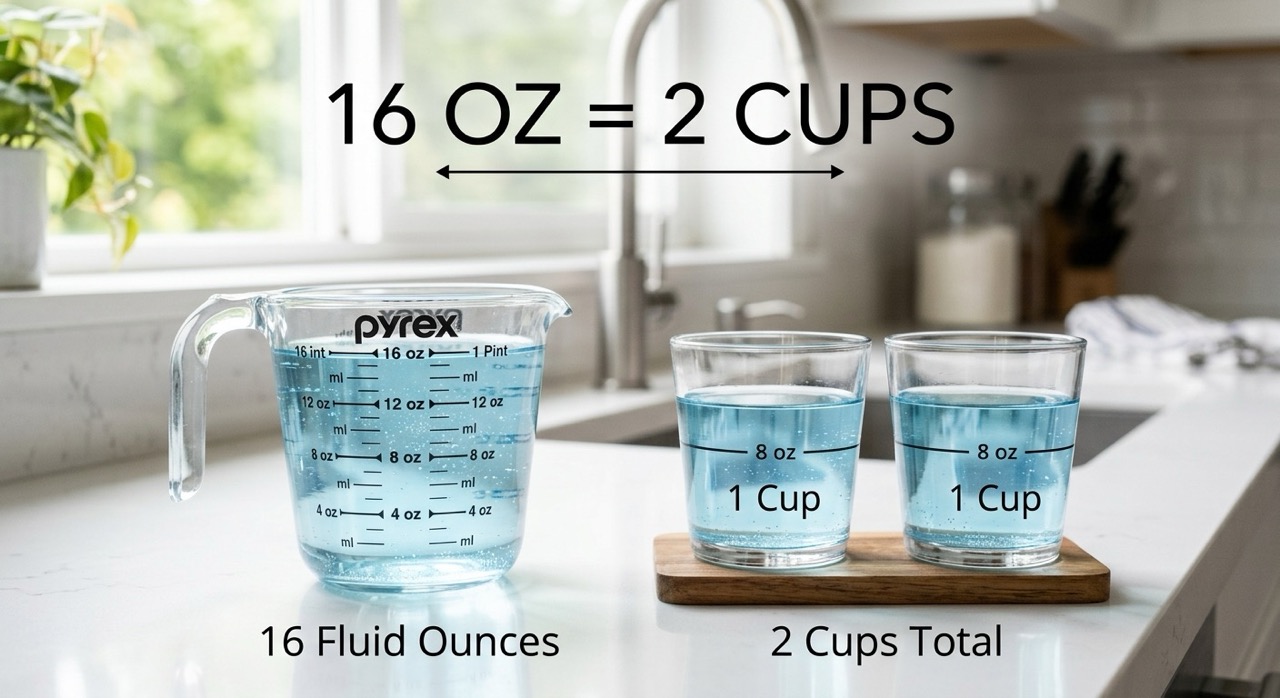
16 fluid ounces equals 2 cups, which is also equal to 1 US pint. This is one of the most important conversions to know in cooking, baking, and beverage service. However, the UK pint is different (20 oz), which can cause confusion. This guide covers US and UK measurements, practical uses for 16 oz containers, and tips for accurate measuring in both home and commercial kitchens.

J
Jane Kate
Read
What is the Healthiest Material for Food Containers?
Article
Apr 18 min

What is the Healthiest Material for Food Containers?

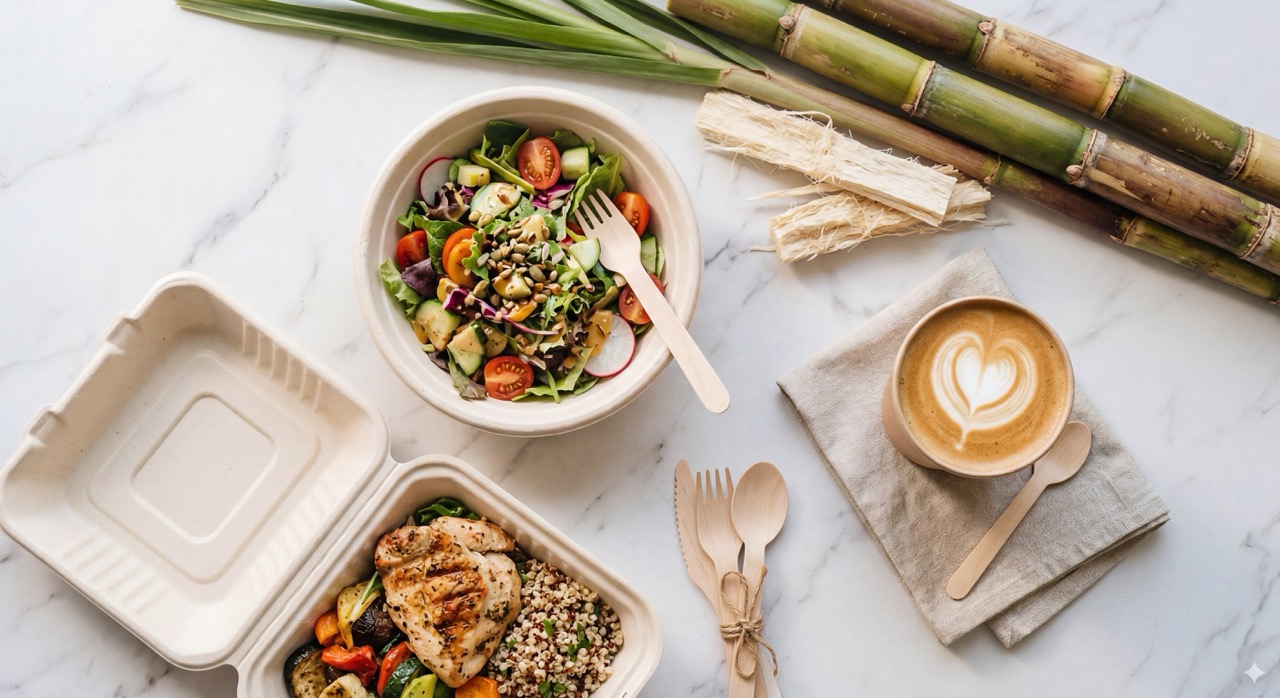
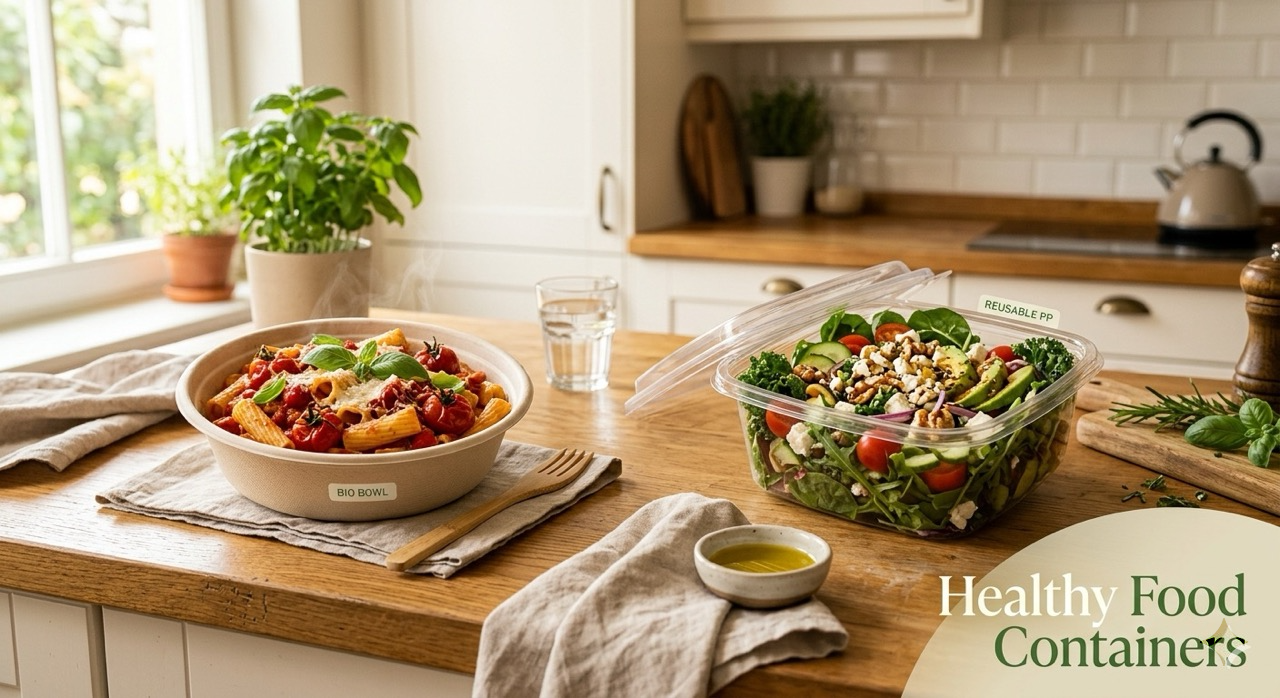
Not all takeout packaging is created equal. Storing hot or acidic food in the wrong plastic can leach harmful chemicals into your meals. In this guide, we break down why you should avoid PVC and PS, why Polypropylene (PP) is the safest plastic, and why 100% natural Sugarcane Bagasse is the ultimate eco-friendly, non-plastic alternative for commercial restaurants

J
Jane Kate
Read
300 ml to ounces conversion guide for cups bowls and foodservice packaging
Article
Apr 119 min

300 ml to oz: 300 ml Equals 10.14 fl oz or 1.27 Cups

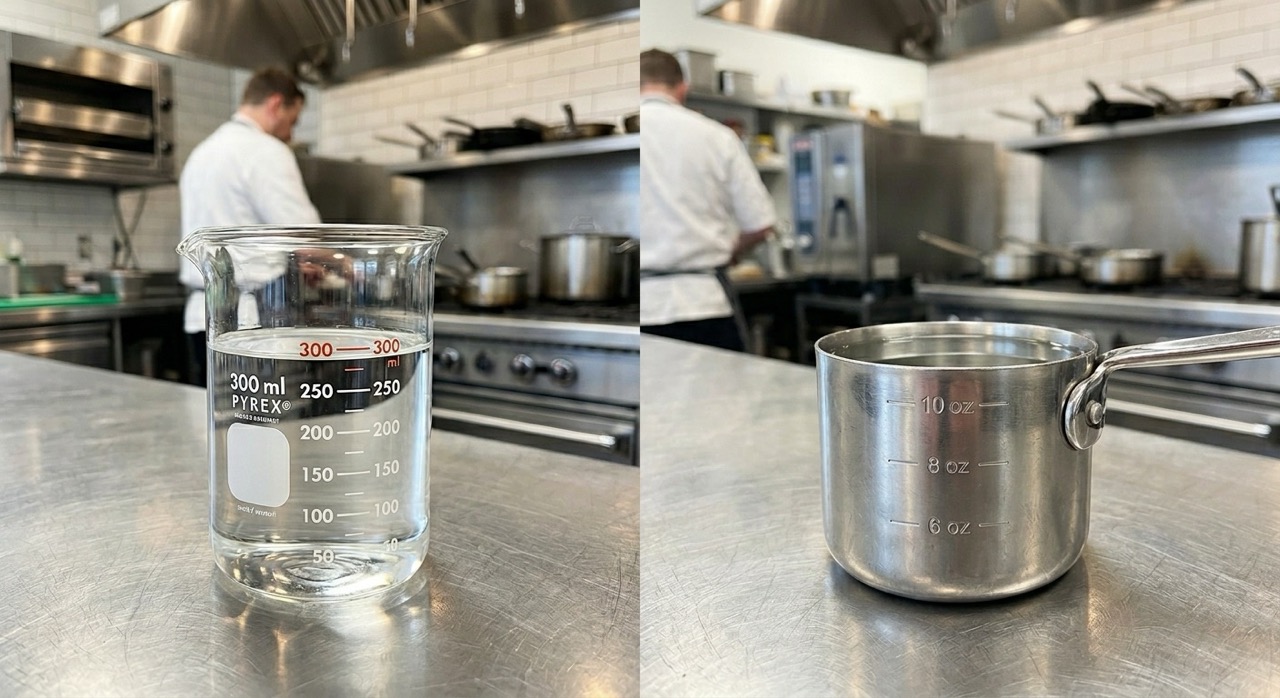
300 ml equals about 10.14 US fluid ounces, or about 1.27 US cups. For packaging buyers, this size sits between common 10 oz and 12 oz formats, so sample fit, brimful capacity, lid match, and label wording should be confirmed before ordering.

Jane Kate
Jane Kate
Read

Showing page 9 of 12 (10 articles)

Stay Updated with Sustainable Insights

Get the latest articles on sustainable tableware, industry trends, and eco-friendly solutions delivered to your inbox.

No spam, unsubscribe at any time.