
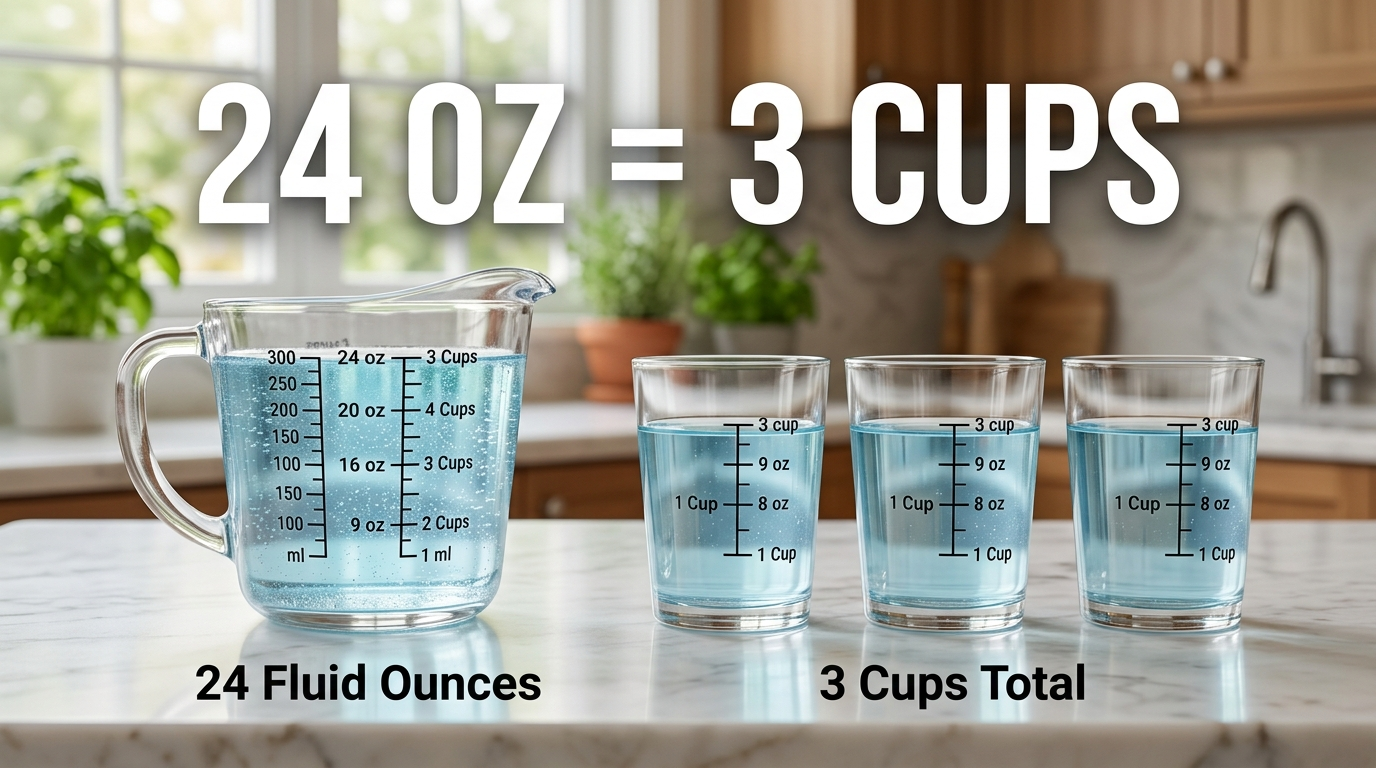
If you've ever meal prepped for the week or ordered a large iced coffee, you've probably used a 24 oz container. The math is straightforward: 24 fluid ounces equals 3 cups. But what makes this size so popular? Why did 24 oz become the standard for meal prep containers and cold drinks?
The answer comes down to practicality. For meal prep, 24 oz is the Goldilocks size - not too big, not too small. It holds a complete meal with protein, vegetables, and a carb without looking sparse or overstuffed. For iced drinks, it's large enough that you still have a decent amount of beverage after the ice goes in.
The Meal Prep Revolution
Walk into any meal prep company's kitchen and you'll see stacks of 24 oz containers. This size became the industry standard because it solves a fundamental problem: how do you fit a balanced meal into one container?
A typical meal prep portion looks like this: 6 oz of protein (chicken, fish, tofu), 1 cup of carbs (rice, quinoa, pasta), and 1 cup of vegetables. Add it all up and you need about 20-22 oz of space. The 24 oz container gives you that room plus a little extra for sauce or dressing without things getting squished together.
The beauty of 24 oz is that it's substantial enough to feel like a real meal, but not so large that it won't fit in a lunch bag or backpack. It's also the perfect size for reheating - big enough to hold a full meal, small enough that it heats evenly in the microwave. And when you're batch cooking on Sunday for the whole week, 24 oz containers stack efficiently in the fridge without taking over every shelf.
This size also works psychologically. When you open a 24 oz container filled with food, it looks like a satisfying portion. The same amount of food in a 32 oz container would look sparse and disappointing. In a 20 oz container, it would be crammed in and messy. 24 oz hits that sweet spot where the portion looks generous without being overwhelming.
Why Iced Drinks Need 24 oz
For cold drinks, 24 oz makes sense for a completely different reason: ice displacement. When you fill a cup with ice and then add liquid, the ice takes up about 40-50% of the total volume. So in a 24 oz cup, you're looking at 10-12 oz of ice and 12-14 oz of actual drink.
This is why Starbucks uses 24 oz for their cold Venti instead of 20 oz like the hot Venti. They want customers to get roughly the same amount of actual beverage whether they order hot or cold. A 20 oz hot latte and a 24 oz iced latte both give you about the same amount of drinkable liquid.
For smoothie shops and juice bars, 24 oz is the standard large size. It looks impressive - customers feel like they're getting their money's worth. It's also practical for smoothies with lots of add-ins like protein powder, chia seeds, or fruit chunks. You need that extra volume to fit everything without it overflowing when you blend it.
The 24 oz size also works well for drinks you sip slowly. Iced coffee, cold brew, iced tea - these are drinks people nurse over an hour or two. A 16 oz iced coffee might not last through a morning of work, but 24 oz will. And because it's cold, you don't have the problem you get with hot drinks where the last few sips are lukewarm and disappointing.
Measuring 24 oz for Cooking
If you're following a recipe that calls for 24 oz of liquid, you need 3 cups. Fill a measuring cup three times, or use a larger measuring cup and fill to the 24 oz line. Simple enough.
For dry ingredients measured by weight, it's different. Here's a conversion table:
Ingredient | 24 oz by Weight | Volume in Cups |
|---|---|---|
Water | 24 fl oz | 3 cups |
All-Purpose Flour | 24 oz | ~5.4 cups |
Granulated Sugar | 24 oz | ~3 cups |
Brown Sugar (packed) | 24 oz | ~3.4 cups |
Powdered Sugar | 24 oz | ~6 cups |
Rice (uncooked) | 24 oz | ~2.6 cups |
Butter | 24 oz | 3 cups |
This is why serious cooks use kitchen scales - converting weight to volume introduces error, especially in baking where precision matters.
If you're portioning food for meal prep, here's a typical 24 oz breakdown:
Component | Volume | Example Foods |
|---|---|---|
Protein | 1-1.5 cups (6-8 oz) | Chicken, fish, tofu, beans |
Carbs | 1-1.5 cups | Rice, quinoa, pasta, potatoes |
Vegetables | 0.5-1 cup | Broccoli, carrots, mixed veggies |
Sauce/Extras | 0.25-0.5 cup | Gravy, dressing, toppings |
Total | ~3 cups (24 oz) | Complete balanced meal |
The Business Case for 24 oz
If you're running a meal prep business, 24 oz containers are non-negotiable. They're what customers expect. Go smaller and people feel like they're not getting enough food. Go bigger and you're giving away product and increasing costs. 24 oz is the standard that the industry has settled on because it works.
For restaurants doing takeout, 24 oz containers are versatile. They work for pasta dishes with sauce, stir-fries, burrito bowls, poke bowls, large salads - basically any entree that needs room for multiple components. They're also good for family-style sides or soups that serve 2-3 people.
For coffee shops and smoothie bars, 24 oz is your large cold drink size. It's what customers expect when they order a large iced coffee or smoothie. The profit margin is good - you're using more ingredients than a 16 oz, but you can charge proportionally more. And in summer when cold drink sales spike, having a 24 oz option is essential.
The environmental angle matters too. 24 oz is large enough to feel generous without being wasteful. Compare that to convenience stores selling 44 oz or 64 oz fountain drinks - that's excessive for most people. 24 oz hits a balance between customer satisfaction and responsible portioning.
Choosing the Right 24 oz Containers
If you're buying 24 oz containers for meal prep or food service, you want something that won't leak, can handle both hot and cold food, and is microwave-safe. Bagasse containers work really well for this. They're made from sugarcane fiber, so they're compostable, and they're sturdy enough that they won't get soggy even with saucy foods.
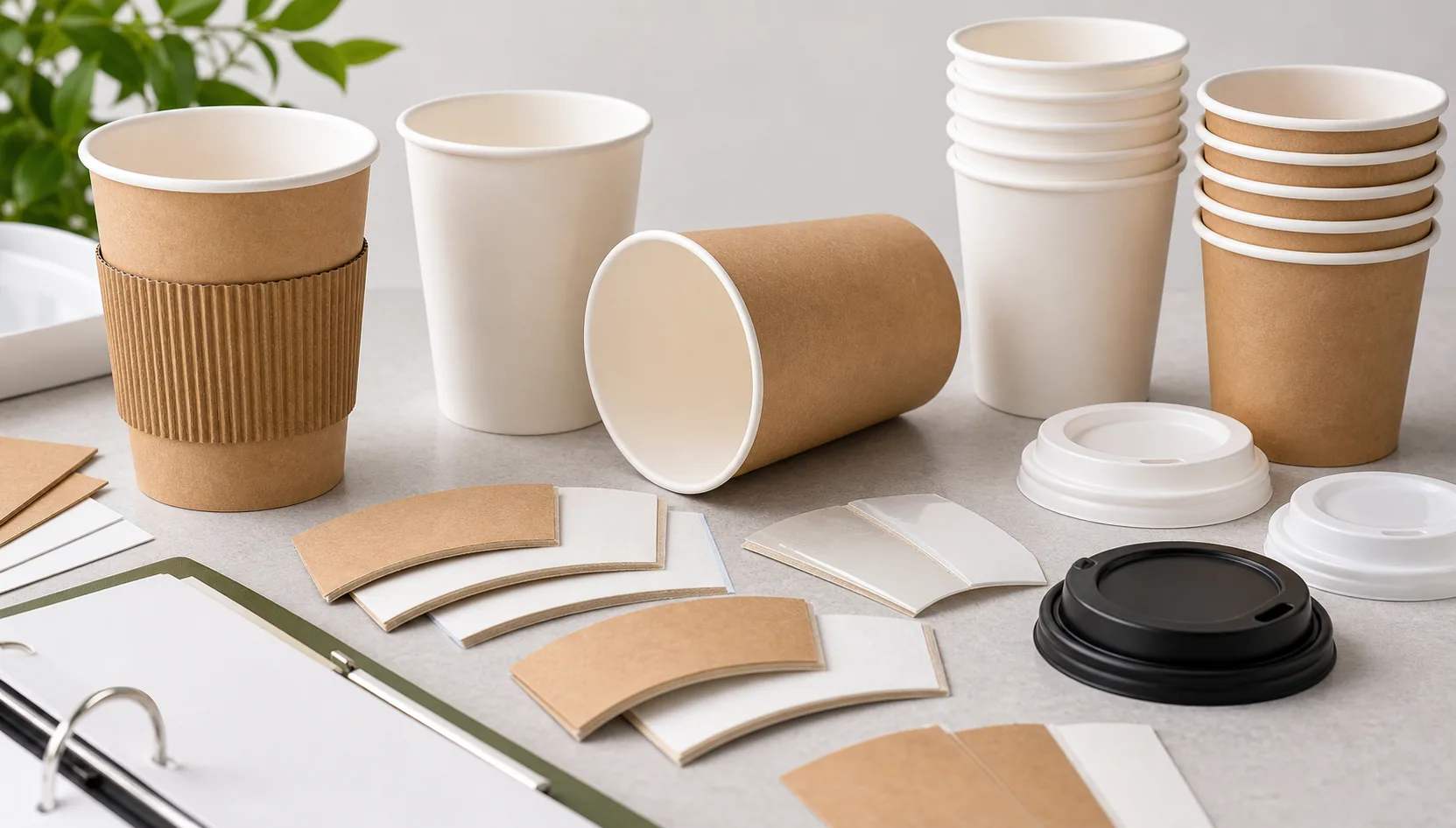
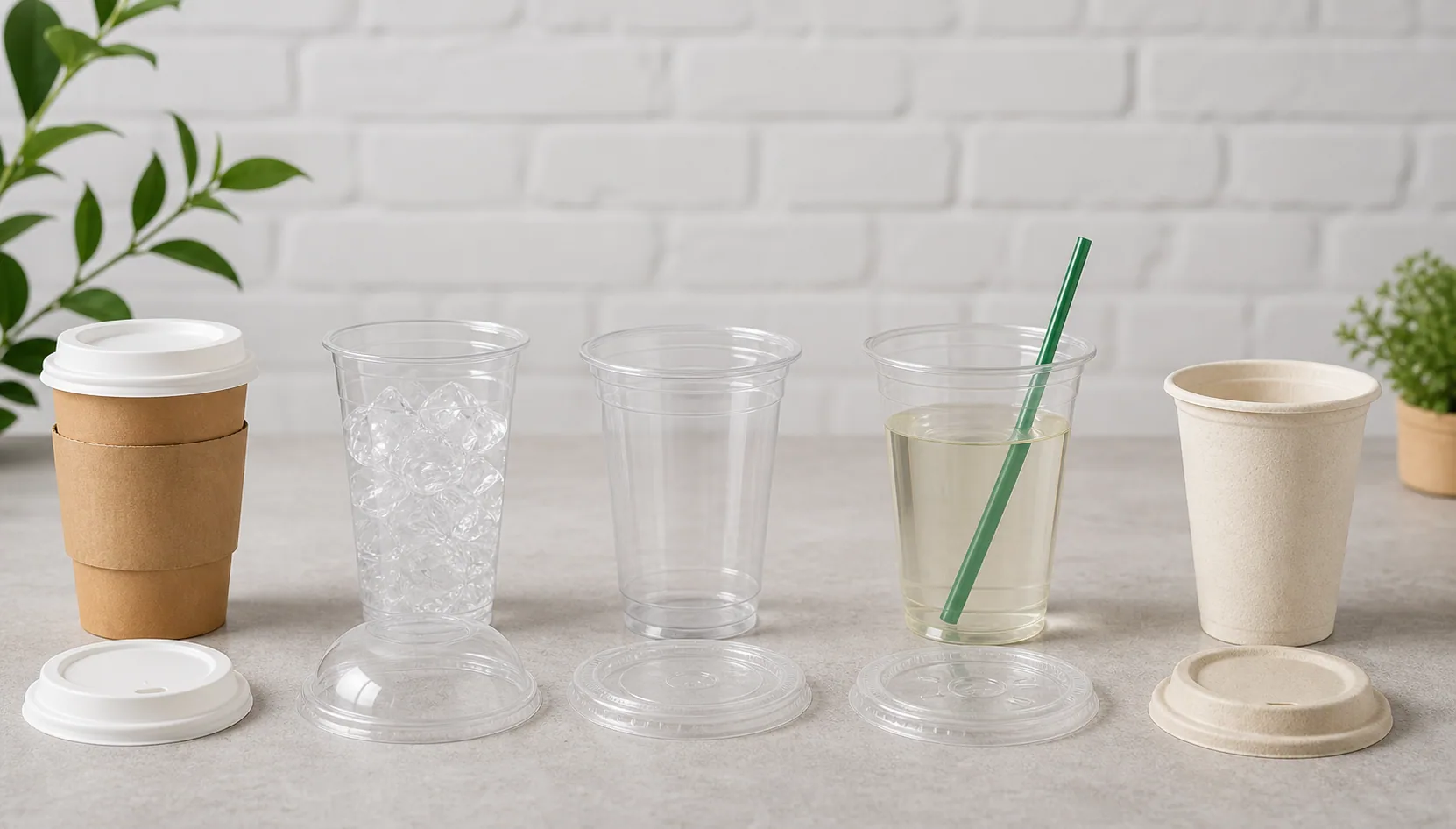
For beverages, you need cups that can handle condensation without getting soggy or falling apart. Paper cups work, but quality varies a lot. Look for cups with a good coating that won't leak, and make sure the lids actually seal properly. Nothing worse than a lid that pops off when someone picks up their drink.
The key is testing before you commit to a bulk order. Get samples and actually use them with your food or drinks. Fill them, refrigerate them, microwave them, carry them around. You'll quickly figure out if they're going to work or if you need to keep looking.
Need Help Finding 24 oz Containers That Actually Work?
We work with meal prep companies, restaurants, and cafés to find containers that hold up in real-world use. Not just the cheapest option, but containers that won't leak during delivery, that customers can actually reheat without issues, and that feel substantial when you pick them up.
Our bagasse bowls are designed for meal prep - they're microwave-safe, they don't get soggy with sauce, and they're actually compostable. For beverages, we've got cups that can handle iced drinks without sweating through, with lids that seal properly so they don't leak in the car.
We know you need to test before committing. That's why we send free samples. Tell us what you're using them for - meal prep, takeout, smoothies, whatever - and we'll send you samples so you can test them with your actual products. Reach out us and let us know what you need. We'll help you find something that works.
Common Questions About 24 oz
Is 24 oz the same as 3 cups?
Yes, exactly. 24 fluid ounces equals 3 cups. This is one of the easier conversions to remember because it's a whole number.
Why is 24 oz the standard meal prep size?
It holds a complete balanced meal - typically 6 oz of protein, 1 cup of carbs, and 1 cup of vegetables. It's large enough to be satisfying but not so large that it won't fit in a lunch bag. It also reheats evenly in the microwave and stacks efficiently in the fridge.
How much actual drink do you get in a 24 oz iced coffee?
After adding ice, you get about 12-14 oz of actual coffee. The ice takes up roughly 10-12 oz of space. This is why cold drinks are served in larger cups than hot drinks - to account for ice displacement.
Can I freeze food in a 24 oz container?
Yes, but leave some room at the top. Liquids and foods with high water content expand when frozen. If you fill the container all the way, it might crack or the lid might pop off. Leave about half an inch of space.
Is 24 oz too much food for one meal?
For most adults, no. 24 oz of food (about 3 cups) is a standard meal portion. It's enough to be satisfying without being excessive. If you're portioning for smaller appetites or children, 16-20 oz might be better.
What's the difference between 24 oz and a quart?
24 oz is three-quarters of a quart. A quart is 32 oz, so 24 oz is 75% of a quart, or 0.75 quarts.
How many 24 oz containers fit in a standard fridge?
It depends on your fridge, but most people can fit 10-15 containers stacked in the main compartment. They stack efficiently because they're a standard size. This is enough for 5 days of lunch and dinner, or a full week of lunches.
Why do smoothie shops use 24 oz as their large size?
It's substantial enough to feel like a meal replacement, it looks impressive (good for social media), and it has room for all the add-ins customers want - protein powder, chia seeds, extra fruit. It's also a good profit margin - you can charge $8-10 for a 24 oz smoothie.
Can I use 24 oz containers for hot food?
Yes, as long as the containers are rated for hot food. Bagasse containers work well - they're made from sugarcane fiber and can handle hot liquids without getting soggy. Avoid thin plastic containers for hot food as they can warp or melt.
How do I measure 24 oz without a measuring cup?
Use a kitchen scale. 24 fluid ounces of water weighs about 24 ounces or 710 grams. For other liquids, the weight might vary slightly, but it's close enough for most purposes. Or fill a standard 8 oz cup three times.