
Understanding the Core Materials
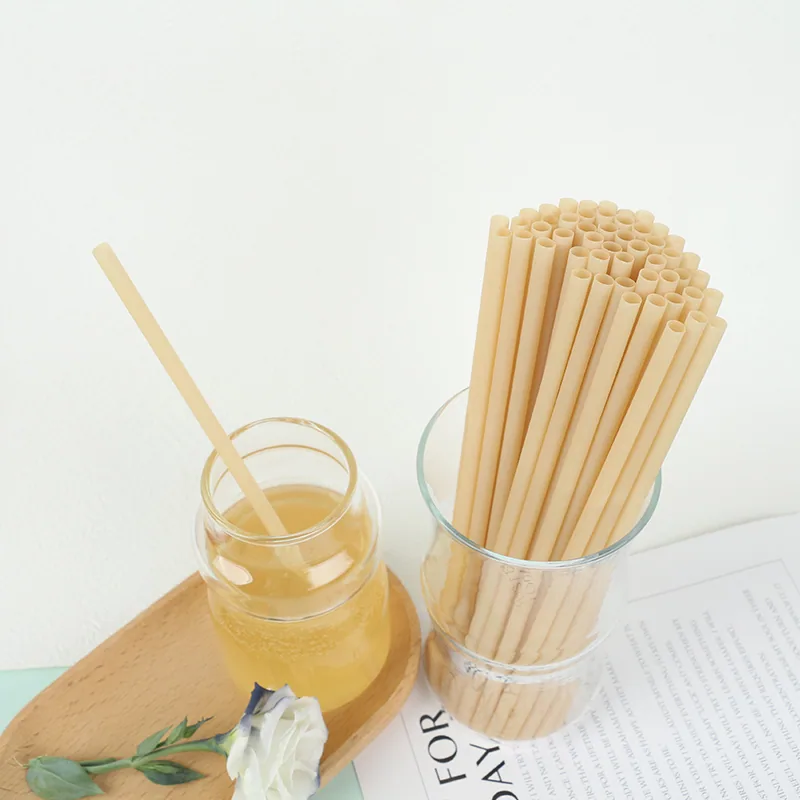
PHA (polyhydroxyalkanoate) and PLA (polylactic acid) are both bio-based polymer families used in finished drinking straws. When comparing them, the real difference between pha and pla straws extends beyond just the resin base—it involves evaluating the diameter, the drink performance, and whether compostable wording is backed by product-level evidence. Often, buyers ask which is better pha or pla, but in practice, it is a specific product decision. Diameter, cut, stiffness, wrapper, and packing all factor in before the material acronym settles anything about pha vs pla straw performance.
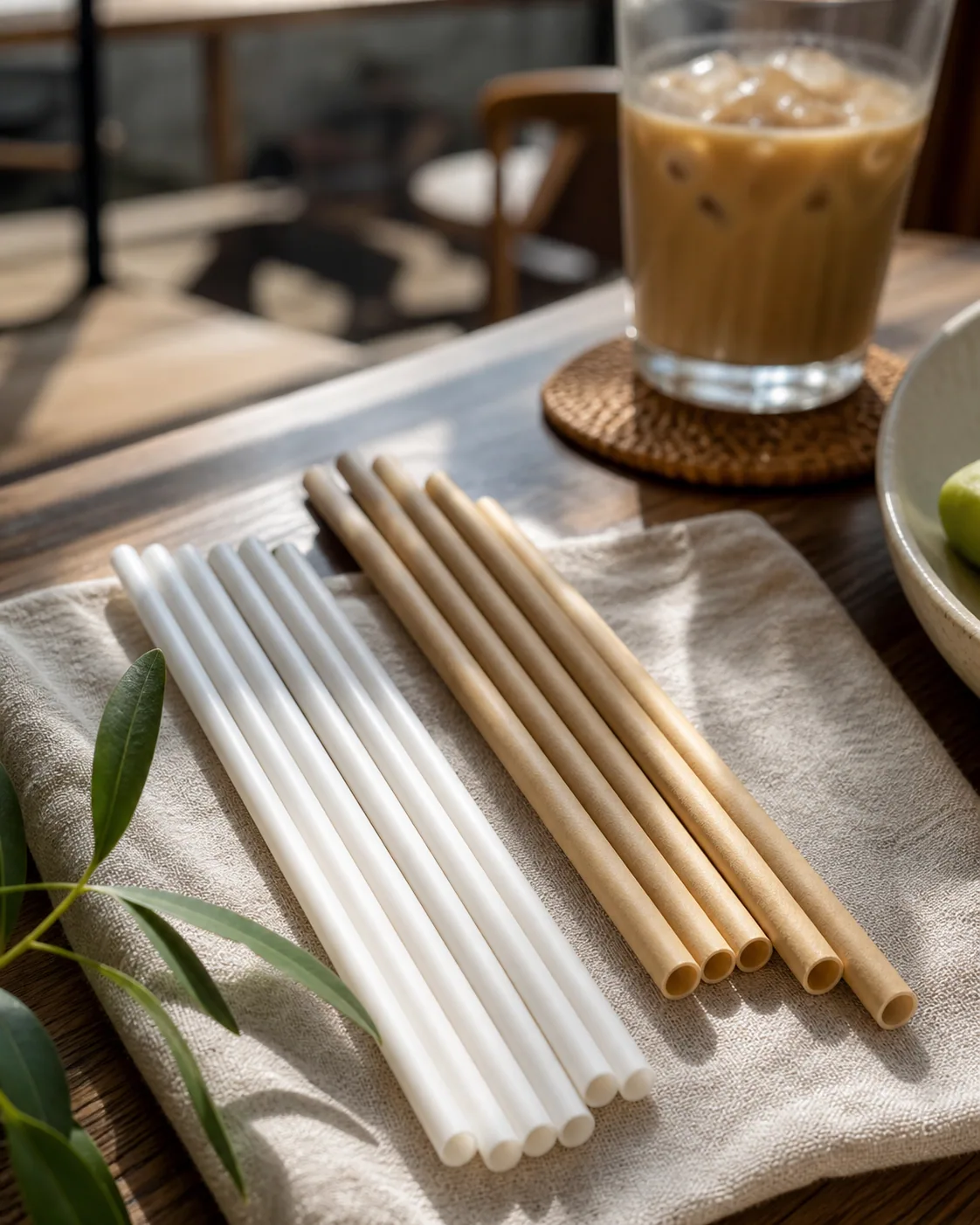 In production conversations, this is also where packaging details start to matter. A PLA straw and a PHA straw may share the same 6 mm diameter, but the order file still separates resin, color, cut style, wrapper, carton count, and the exact product page claim. That separation helps when a restaurant group asks for the same straw in bulk packing for back-of-house use and individually wrapped packing for hotel trays. The material comparison stays connected to the real SKU, not just to a name on a quote.
When Each Material Earns Its Spot
PLA is often a common starting point for cold-drink programs. Juice bars and iced-coffee chains frequently adopt PLA straws when they want a straw their customers can't easily tell apart from conventional plastic. The material is rigid, available in clear or white, and highly familiar to most purchasing teams.
PHA earns its spot differently. It carries a stronger bio-based narrative, making it popular among hotel groups and premium beverage brands whose end customers value the material's origin story. For instance, boutique hotel chains often select the PHA White Straw for room-service trays because the individually wrapped presentation and the "next-generation material" angle fit their brand identity better than paper alternatives.
Both materials require practical vetting: testing the straw in the specific beverage, at the service temperature, using the actual cup and lid.
PHA vs PLA Straw Comparison Table
| Drink Program | Typical Diameter | PLA Fit | PHA Fit | What Decides the Order |
|---|---|---|---|---|
| Iced coffee & tea | 6 mm straight cut | Smooth sip, rigid in cold drinks for 45–60 min | Works similarly; chosen when the material story matters | Mouthfeel, lid-hole fit, service time |
| Fresh juice | 8 mm straight cut | Clear PLA looks clean against fruit colors | Sugarcane or white PHA for a natural brand look | Appearance, stiffness in acidic drinks |
| Boba & toppings | 12 mm pointed tip | Must puncture cup film cleanly; test topping flow | Same bore requirement — material won't fix a bad cut angle | Bore size, puncture force, topping passage |
| Hotel room service | 6–8 mm, individually wrapped | Practical if the claim story isn't a selling point | Stronger premium positioning for guest-facing programs | Wrapper quality, visual presentation, claim wording |
| Distributor line card | Mixed sizes | Familiar SKU name, easier warehouse adoption | Differentiator for catalogs targeting eco-conscious accounts | Carton labeling, reorder clarity, MOQ flexibility |
Evaluating the Materials Side by Side
A practical comparison keeps everything equal except the resin: the same 6 mm diameter, same 200 mm length, same iced latte, and same lid. Regarding stiffness under these conditions, PLA tends to feel slightly more rigid right out of the wrapper, whereas PHA can feel marginally softer. Fortunately, both hold up perfectly in cold drinks for a standard 45-minute service window without any noticeable taste transfer.
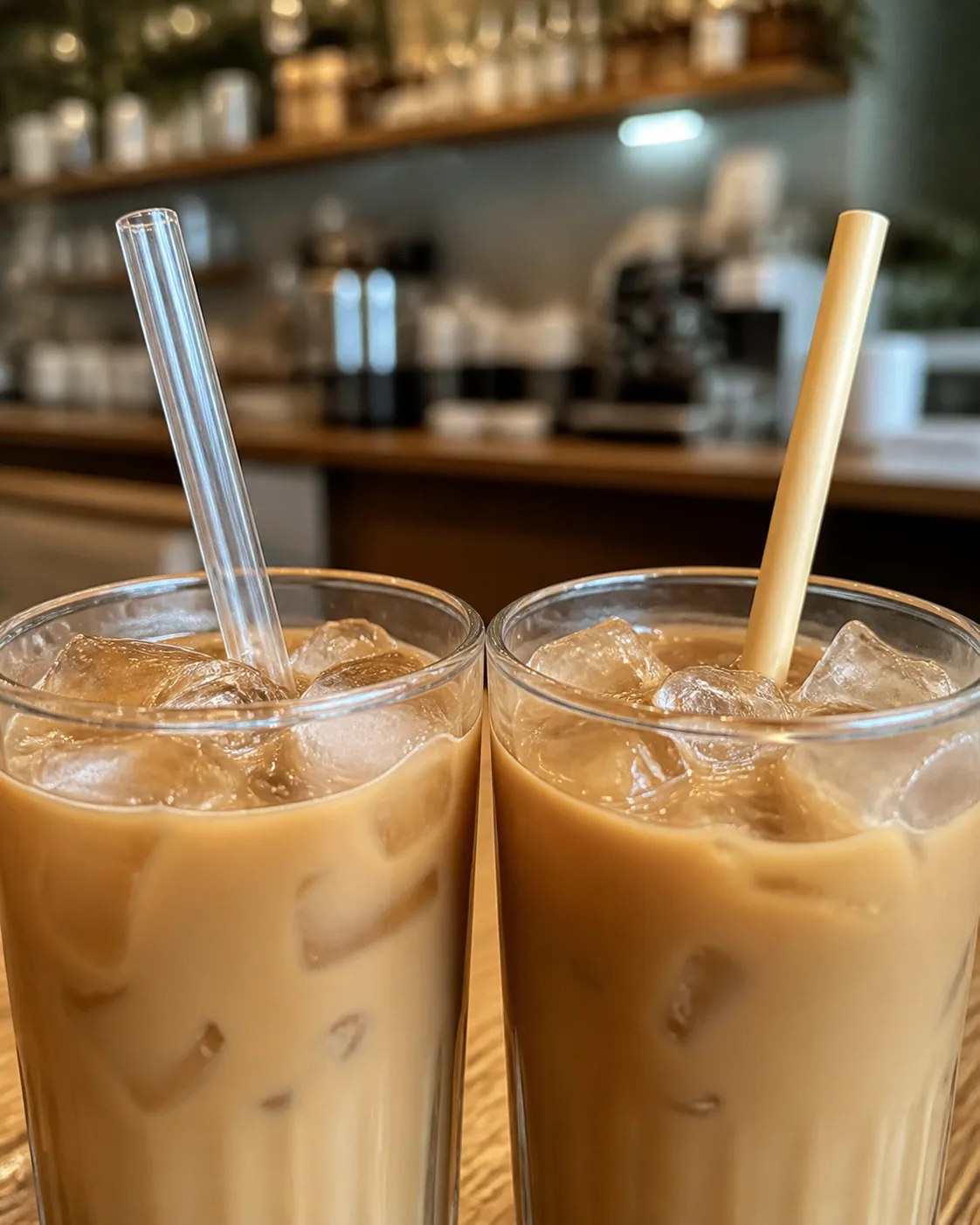 For boba applications, a 12 mm PHA straw and a 12 mm PLA straw both need a precision pointed tip that punctures sealed film without cracking. If the cut angle is slightly off, tapioca pearls might jam, highlighting that tooling accuracy is just as critical as your choice of material.
When packaging requires a "compostable" claim, verifying the documentation early prevents downstream issues. As the EPA notes in its plastics recycling and composting FAQ, plant-derived materials still need finished-product evidence for disposal claims. Checking the certification for the exact SKU before the wrapper artwork goes to print ensures the documentation accurately reflects the specific production run.
From Sample Approval to Repeat Orders
Here's where material comparisons turn into logistics. A cafe chain we supply runs PLA for their standard iced menu and PHA for a seasonal premium line. Two materials, two carton marks, two reorder cycles. The key is making sure the warehouse can tell them apart at a glance.
We set up their cartons with clear SKU codes: material, diameter, length, and packing style all visible on the outer mark. When they reorder, purchasing just references the code — no confusion between the PLA 6 mm bulk and the PHA 8 mm individually wrapped. If a wrapper carries environmental language, the supporting documents stay linked to that specific SKU in our system so nothing drifts between production runs.
Finding the Best Fit for Your Menu
When operators ask us, "Is PHA actually better than PLA?", the honest answer is that it depends entirely on your specific goals. PHA often wins when a brand wants to lean into a premium, cutting-edge material narrative. Conversely, PLA remains the industry standard for sheer cold-drink rigidity and widespread buyer familiarity.
One common area of confusion revolves around compostability. Simply calling a straw "PHA" or "PLA" does not automatically mean you can print "compostable" on the wrapper. PLA is typically suited for industrial composting facilities, while PHA may break down in a broader range of environments. However, any compostability claims must be backed by finished-product testing and must align with the disposal realities of your local market.
Because performance and compliance are so nuanced, the clearest way to evaluate these options is to test them side-by-side in your actual beverages. Whether you need the robust reliability of our PLA Straws Wholesale lineup or the advanced positioning of our PHA Straws Wholesale, we regularly prepare comparison sample sets for operators weighing their options. If you are ready to see how these materials handle your iced lattes or boba teas, simply share your specific drink menu with us, and we will curate the perfect bio-based samples for your next sourcing cycle.