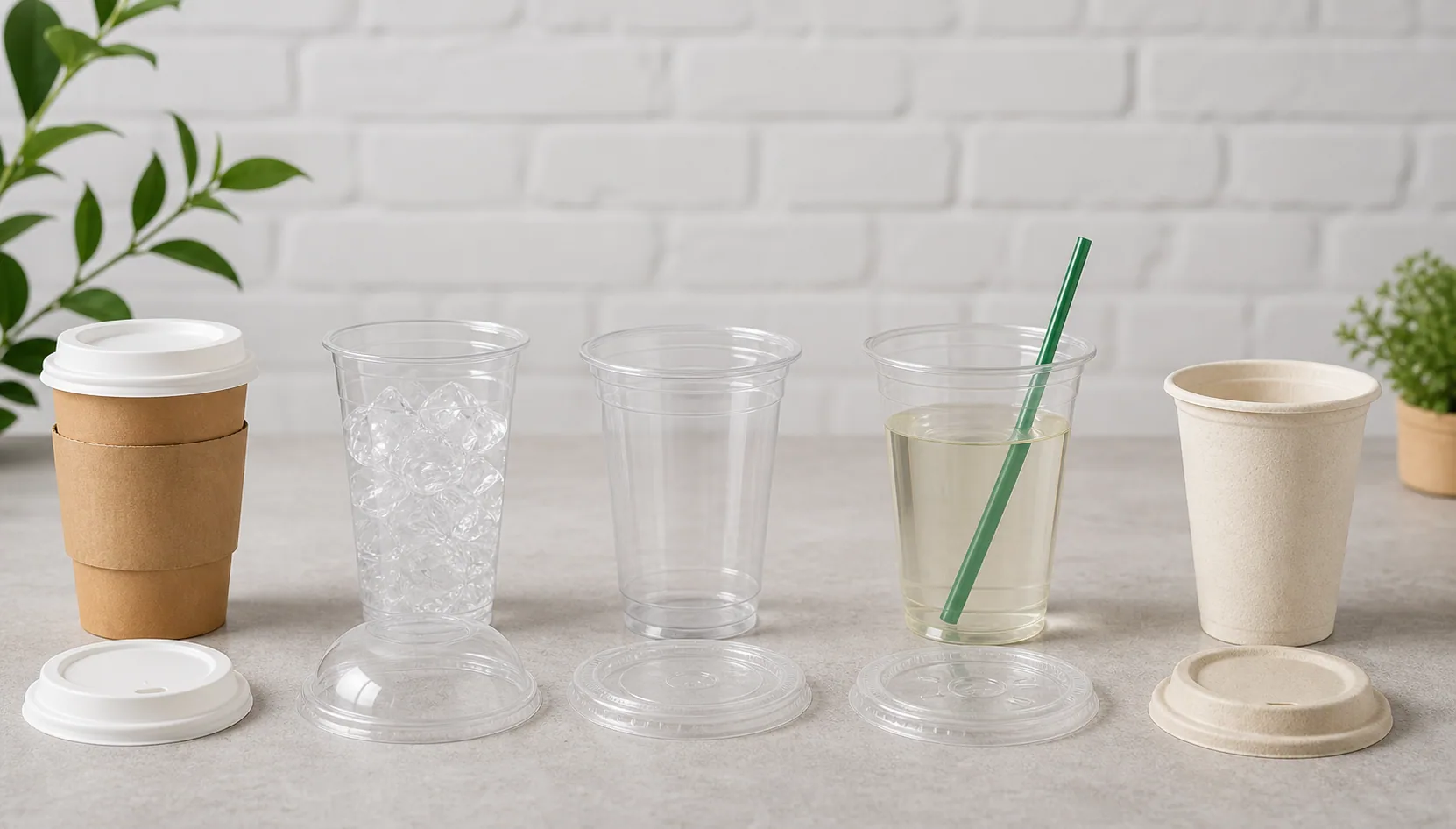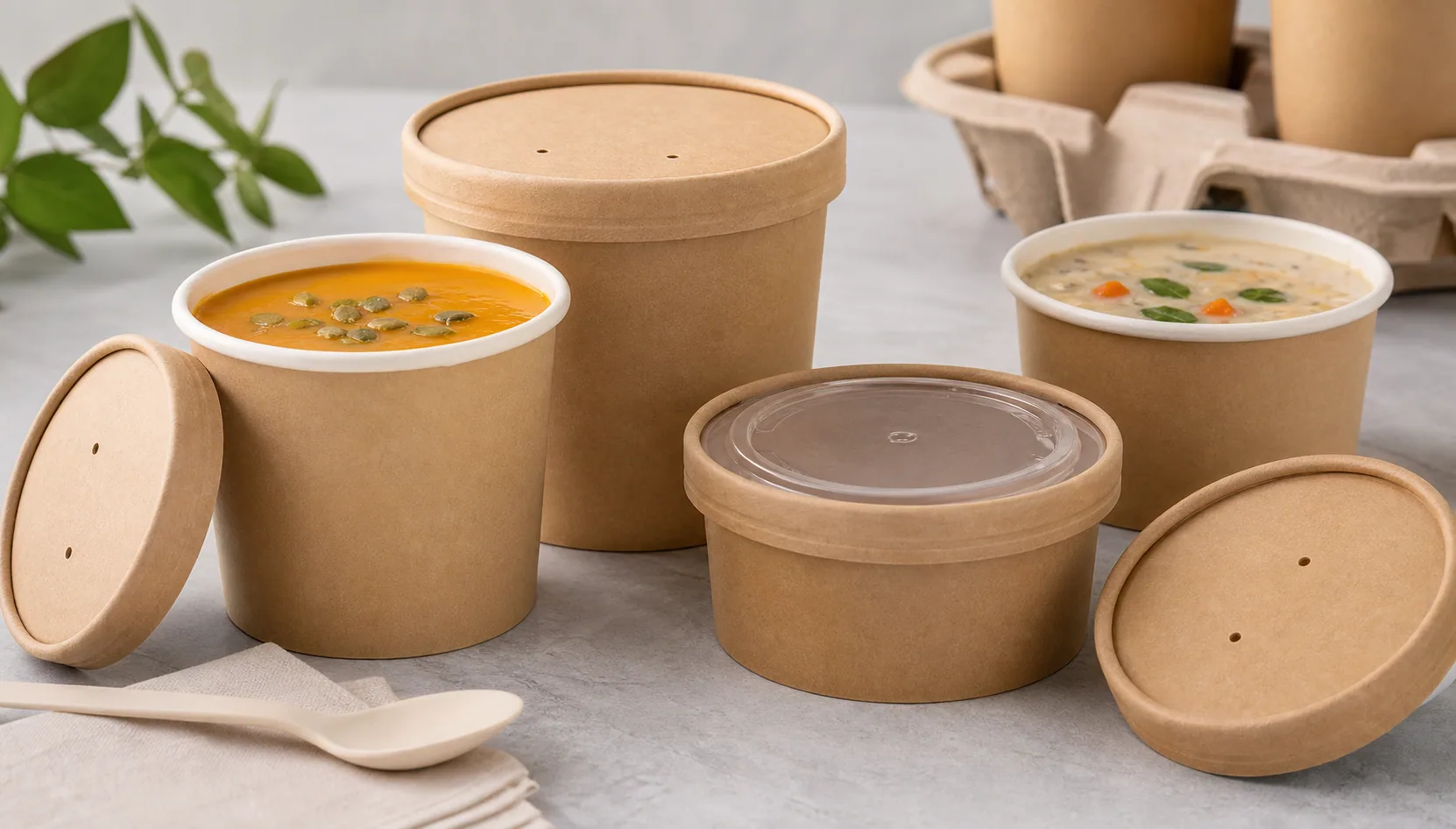
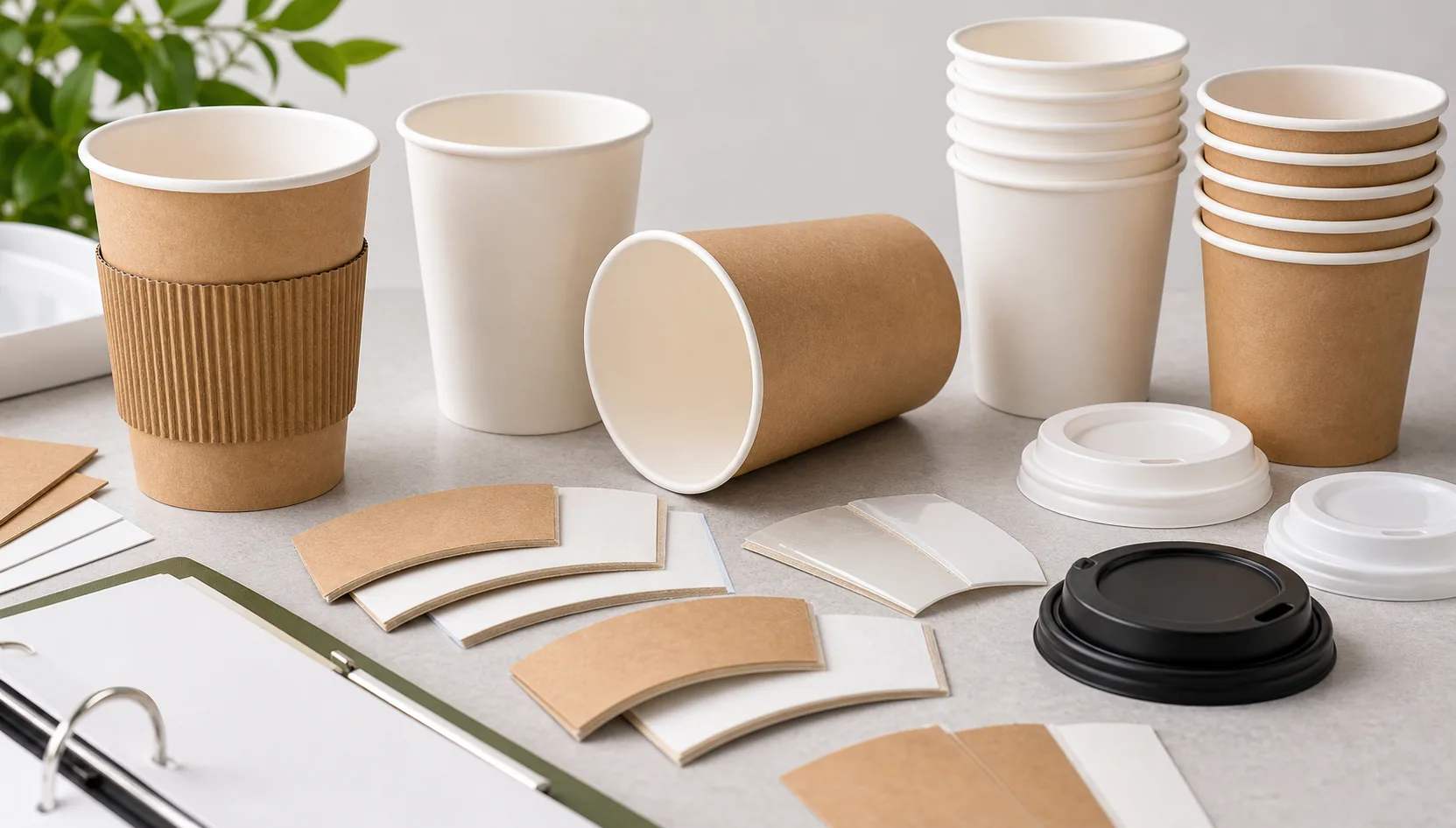
Paper cups are layered products. Paperboard provides structure, the barrier keeps liquid away from the fiber, and the rim, ink, lid and sleeve shape the finished service experience.
PE, PLA and aqueous dispersion barriers are not interchangeable environmental labels. The right description depends on how the cup is made, what it holds and which documents support the intended claim.
TOGO supplies paper cups for wholesale foodservice programs and matching cup lids, so coating, rim fit and accessories can be reviewed as one system.
What Is a Paper Cup Barrier?
Paper cup materials include the base paperboard plus any coating, lining, ink, adhesive, rim treatment and lid interface. The coating is often the part that determines liquid resistance, use condition and any material or environmental claim planned for the website or packaging.
How PE, PLA and Aqueous Barriers Differ
A paper cup is not only paper. Most foodservice paper cups include a coating or barrier layer. PE, PLA and aqueous-style coatings can each support different product goals, but none should be described with broad statements unless the specific item and where you plan to sell or use it support the wording.
| Cup layer | What it does | Statement or sourcing note |
|---|---|---|
| Base paperboard | Provides structure | Weight and stiffness affect handling |
| PE coating | Liquid barrier | Not a compostability statement by itself |
| PLA coating | Bio-based positioning in some cases | Heat and compostability need product evidence |
| Aqueous/dispersion coating | Barrier alternative | Recyclability/compostability depends on product and market |
| Ink and print | Branding and information | Food-contact side and migration rules matter |
| Lid interface | Controls fit and drinking experience | Confirm rim and lid by product |
Food Contact Depends on the Complete Cup
The FDA's Packaging & Food Contact Substances resources are a good reminder that food-contact review involves the complete cup system, not just the word “paper.” If your cup is printed, coated or paired with a lid, those elements belong in the same review.
For the US market, the FDA reports that PFAS grease-proofing agents for paper and paperboard food packaging were no longer being sold as of February 2024, and the related food-contact notifications were no longer effective as of January 2025. That regulatory change does not turn “PFAS-free” into a blanket claim for every cup; suppliers still need evidence that matches the item and the market.
Environmental Claims Need Product Evidence
Recyclable, compostable, biodegradable and plastic-free statements can create risk if the wording speaks too broadly. The FTC Green Guides are the right external anchor for cautious environmental marketing language. If compostability is discussed, use certification for that specific item and local disposal route logic rather than a material shortcut.
Rims, Lids and Sleeves Still Matter
Coating is not the only performance factor. Cup wall structure, rim diameter, lid fit and sleeve need all affect the final foodservice program. See TOGO's paper cup lid matching guide and cup lid guide after the material discussion.
Review the Cup as a Complete System
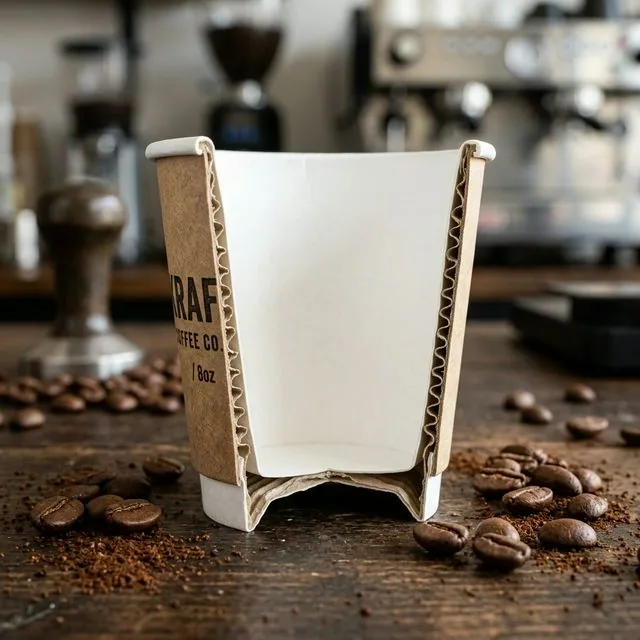
A coating name is not enough to approve a statement. The base paperboard, coating, rim, ink, lid and sleeve all shape the specific cup. For hot drinks, an 8 oz double wall kraft paper coffee cup gives you a concrete product reference for checking cup wall, coating feel, rim and lid fit together.
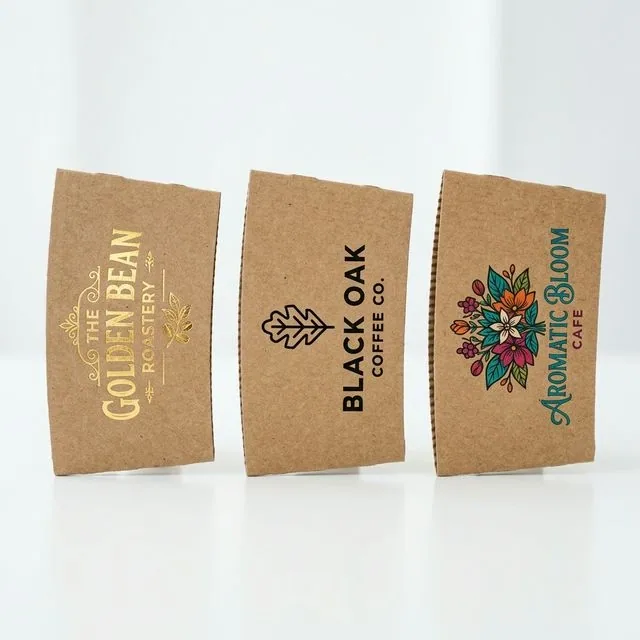
If your service needs hand comfort or printed branding, custom kraft paper coffee cup sleeves belong in the same product review. The sleeve may not change the coating, but it does change the actual hot-drink experience and the artwork workflow.
| Coating or component | What it can help with | Statement boundary to keep clear |
|---|---|---|
| PE coating | Liquid resistance and familiar cup performance | Not a compostability statement by itself |
| PLA coating | Bio-based positioning in some programs | Needs heat, compostability and product support |
| Aqueous or dispersion coating | Alternative barrier route | Recyclability or compostability depends on product and market |
| Printing ink | Brand and required information | Food-contact side and migration review still matter |
| Lid and rim | Drinking experience and delivery control | Lid material may carry different use guidance |
| Sleeve | Hand comfort and branding | Does not replace cup-level supporting documents |
The operating rule is to write statements around the complete cup system, not around one material word. It keeps the product description, carton text and quotation aligned with the available evidence.
Discuss Coating, Printing and Claim Requirements With TOGO
For an accurate quote, include beverage type, serving temperature, cup size, lid style, sleeve need, printing, selling market, order forecast and any material or environmental claim planned for the website or packaging. TOGO can review available cup/coating options, available product options and supporting documents before quotation, especially when PFAS-free, recyclable or compostable wording is part of the project.
FAQ
What are paper cups coated with?
Common coatings include PE, PLA and aqueous or dispersion-style barriers. Exact material depends on item.
Are PLA-coated paper cups compostable?
Only if the specific item and disposal route support that statement. Do not rely on coating name alone.
Are paper cups PFAS-free?
PFAS-free is a Product-specific statement. Confirm the specific cup and available documents.
Do coatings affect lid fit?
The coating itself is not the only factor. Rim design, cup wall and lid tooling determine fit.