A practical guide to paper cups with lids, disposable cup lids, and paper cup wholesale orders for cafes, drink brands, and distributors.
Summary: Cup and lid matching is not just a diameter question. For foodservice buyers, the right match depends on rim fit, drink temperature, movement during delivery, lid material, carton labeling, and whether the finished cup-and-lid set has the documentation needed for the destination market.
What does this packaging term mean?
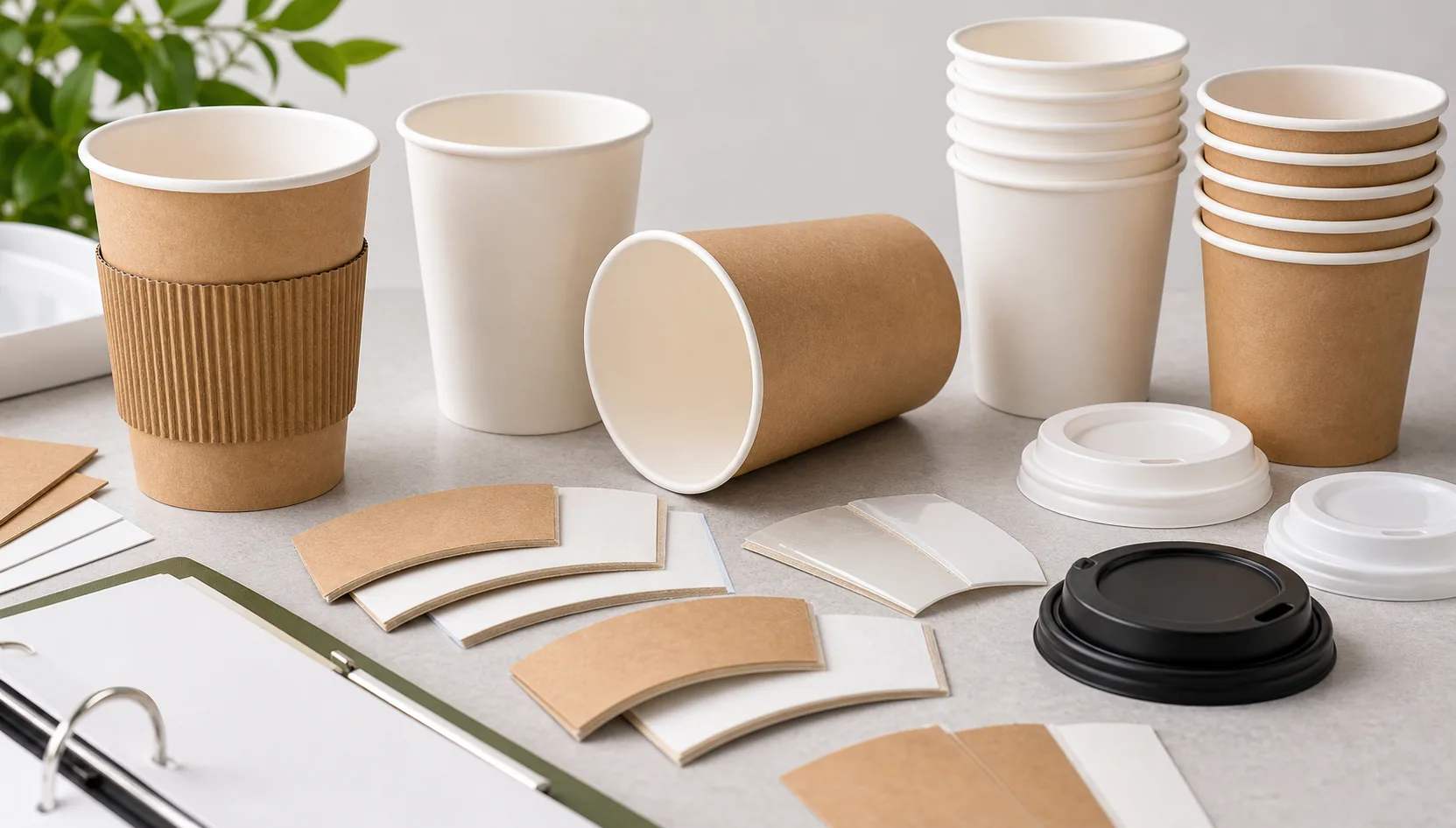
Paper cups with lids are matched beverage packaging sets in which the cup body, rim diameter, lid profile, and lid material work together for a specific drink condition.
What is the short answer?
Start with the cup rim diameter, then confirm the drink type, lid profile, stacking, delivery movement, and carton label. A lid that looks correct on a sample table can still fail if the cup rim, lid snap, drink temperature, or delivery route changes.
TOGO usually treats paper cups wholesale, cup lids wholesale, and disposable cups and lids as one sourcing conversation rather than three isolated products. That makes the quotation clearer because the cup, lid, sleeve, carton count, and sample approval can be checked together.
Why does lid fit matter before a paper cup order is quoted?
The most common mistake is assuming that a stated diameter is enough. In real service, a cafe cup is pressed by staff, carried by customers, stacked in a delivery bag, and sometimes paired with a sleeve or printed outer wall. Small rim or lid differences can change how the set feels in the hand.
Food-contact review also belongs in the conversation. The FDA food-contact guidance frames packaging and its components as food-contact substances when they are intended to touch food or beverages, so the cup wall, coating, ink boundary, and lid material should be reviewed as a finished set rather than as a loose accessory.
How should hot drinks, cold drinks, and delivery cups be separated?
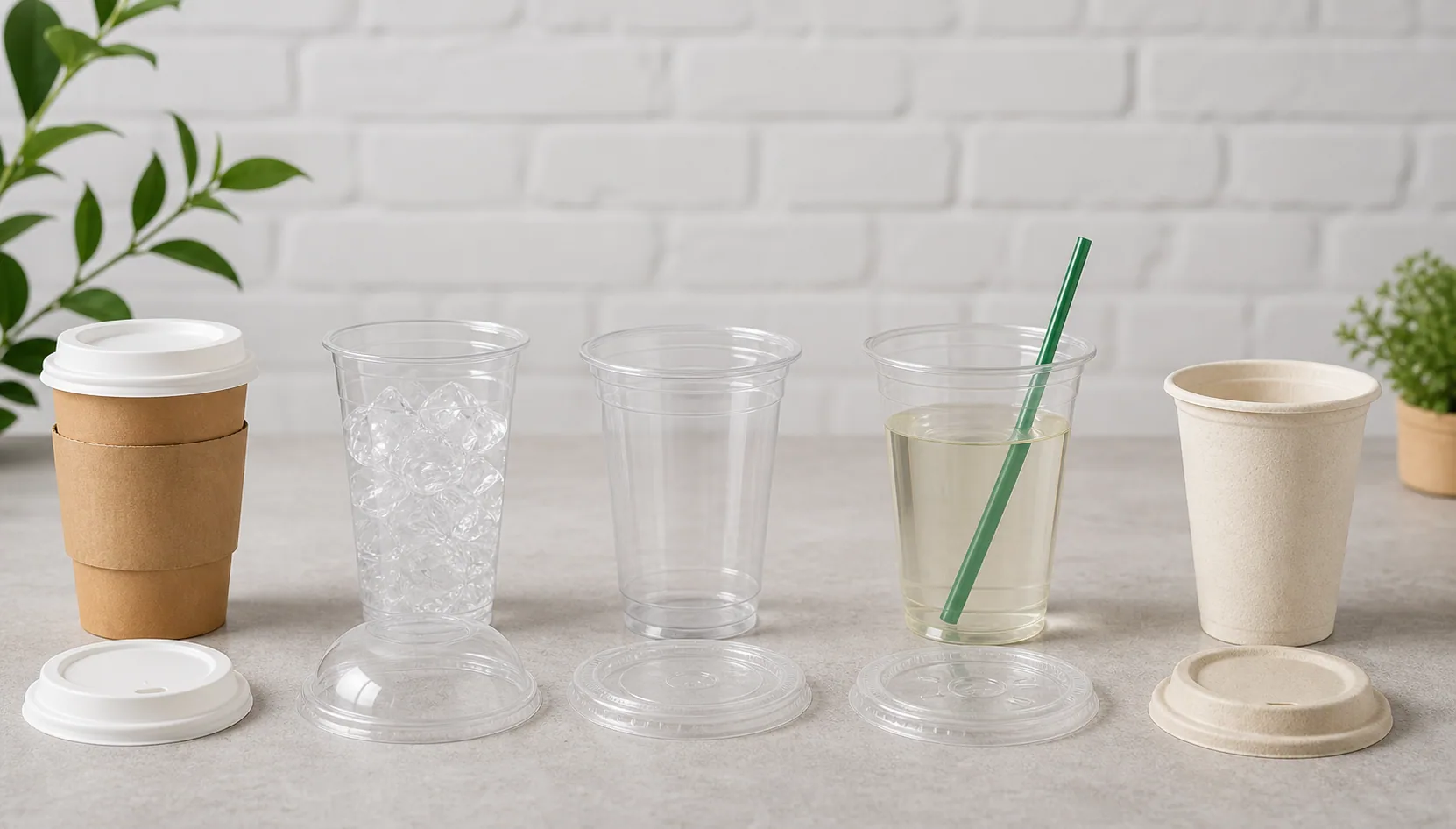
Hot coffee, iced tea, smoothies, and delivery drinks put different pressure on the lid. Hot drinks need a drinking opening and a stable snap; cold drinks may need a straw slot or dome space; delivery programs care about movement, stacking, and whether the lid stays seated after repeated handling.
Environmental wording should stay specific. The FTC Green Guides are useful because they warn against broad claims that can mislead customers. A paper cup program should describe the actual material, coating, lid type, and available documents instead of relying on a general green label.
What should TOGO receive before sample approval?
A useful inquiry includes cup size, lid style, beverage type, serving temperature, sleeve need, printing need, carton mark, destination market, and forecast quantity. With those details, TOGO can match samples from paper cups wholesale and cup lids wholesale before the buyer locks artwork or carton labels.
For EU-bound programs, the European Commission food-contact materials legislation is a reminder that food-contact materials are handled under a safety and inertness framework. The blog copy and carton wording should therefore stay close to the finished SKU and the documents available for that SKU.
| Cup and lid question | What to confirm | Why it matters |
|---|---|---|
| Will the drink be hot or cold? | Cup wall, coating, lid material, sip or straw opening | The same lid profile does not fit every beverage program. |
| Will it be delivered? | Snap fit, stacking, sleeve, carton count, sample shake test | Delivery movement exposes weak rim and lid matches. |
| Will the set carry environmental wording? | Finished SKU documents and destination-market wording | Claims need support beyond material names. |
What questions do buyers usually ask?
Can one lid fit all paper cups?
Usually no. Even cups with similar stated diameters should be sample-checked because rim shape and manufacturing tolerance affect lid fit.
Should hot cups and cold cups use the same lid?
Only when the finished set has been reviewed for that drink condition. Hot drinks, iced drinks, and delivery drinks often need different lid profiles.
Can TOGO prepare cup-and-lid samples together?
Yes. Send cup size, drink type, lid preference, quantity, destination market, and packing style so the sample set matches the real order.
What should you send for a TOGO quotation?
For a paper cup with lid quotation, send the cup size, lid type, beverage, serving condition, artwork need, carton mark, destination market, and expected order quantity. TOGO can review samples and available documents before the order moves into bulk packing.