Paper, PLA, PP, PET and molded-fiber cups can all work in foodservice, but not for the same drinks or operating conditions.
Start with beverage temperature, service time, lid style, appearance and storage. Material choice becomes much clearer once those details are fixed.
TOGO's disposable cups and lids collection brings the main cup formats into one sourcing route, with separate ranges for paper cups and bagasse cups.
What Counts as a Disposable Cup?
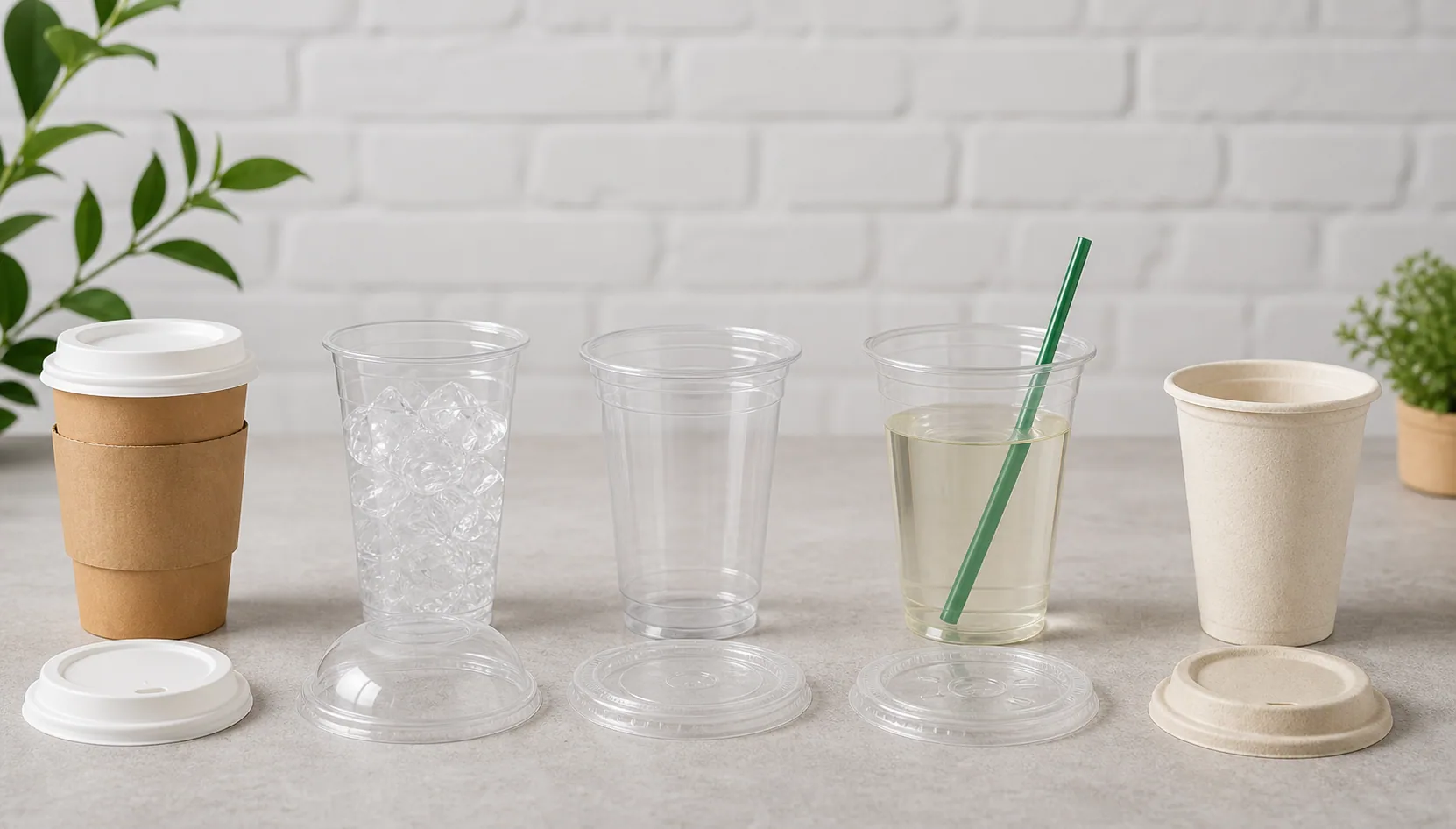
Disposable cup types are single-use or takeaway cup formats made from materials such as paperboard, PLA, PP, PET or molded fiber. Each type has different suitability for hot drinks, cold drinks, tasting portions, lids, printing and any material or environmental claim planned for the website or packaging.
Which Cup Fits Which Drink?
| Cup type | Better fit | Watch point | What to confirm next |
|---|---|---|---|
| Paper cup | Coffee, tea, sampling, some cold drinks | Coating and lid fit | Use with the paper cup size guide |
| PLA cup | Cold drinks and display use | Heat and storage limits | Avoid broad compostability statements |
| PP cup | Durable cold or some hot-use programs | Plastic-reduction goals | Use when function requires it |
| PET cup | Cold drinks, desserts, clear display | Not for hot drink use | Strong visual merchandising |
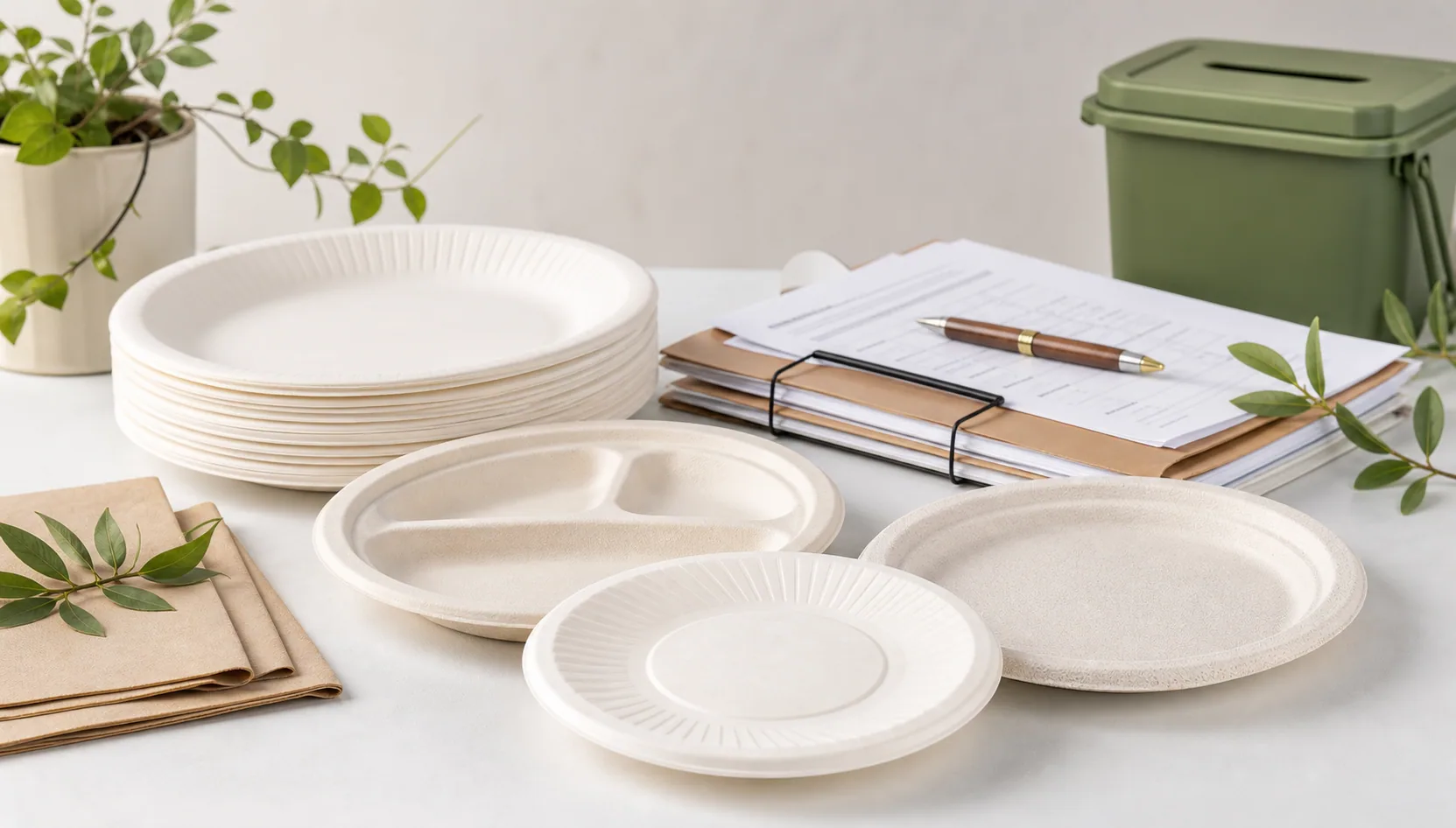
| Bagasse/fiber cup | Portion cups, sauces, tasting | Lid and moisture limits | Confirm documents for the specific item |
Paper Cups for Hot Drinks and Sampling
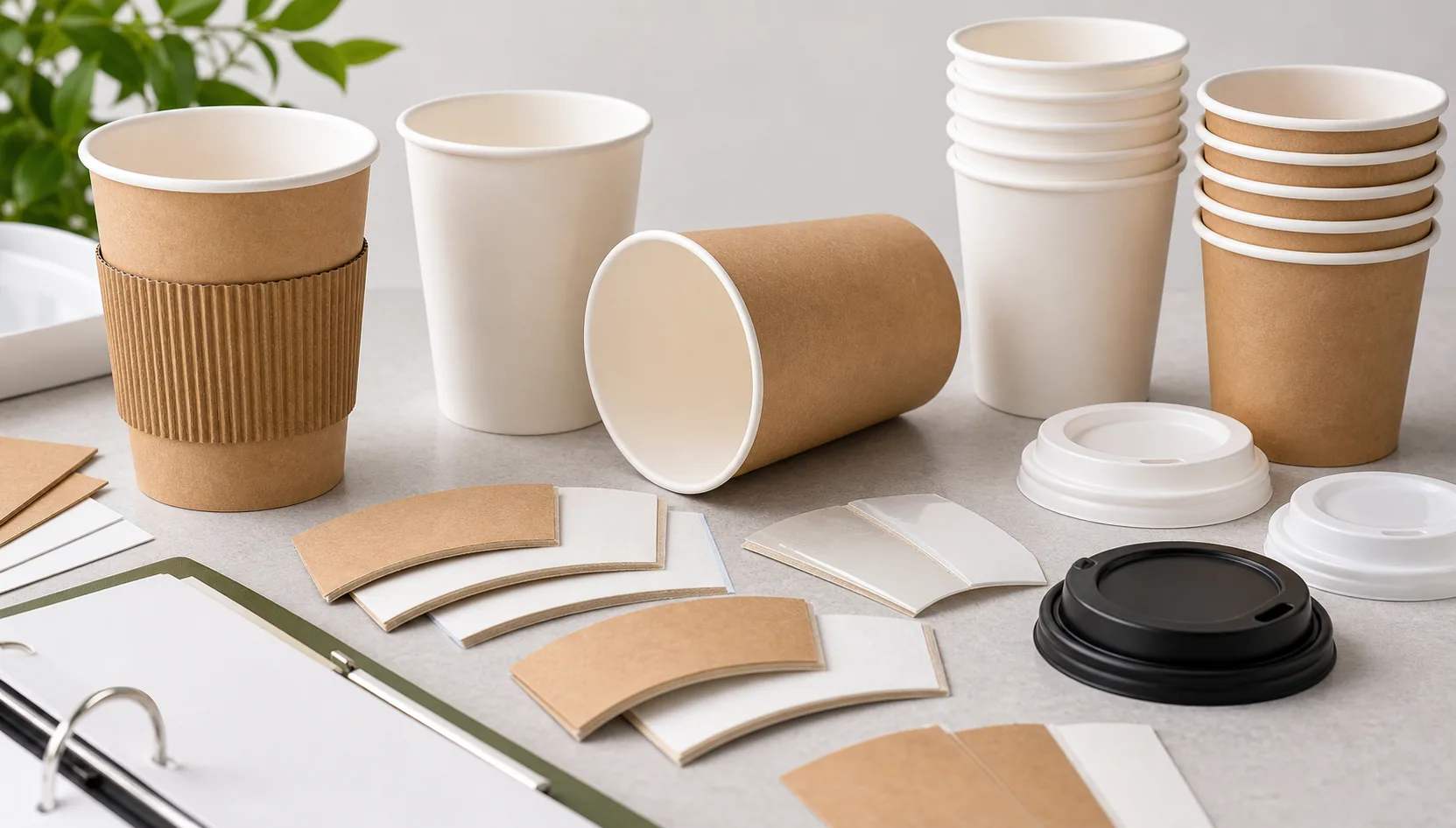
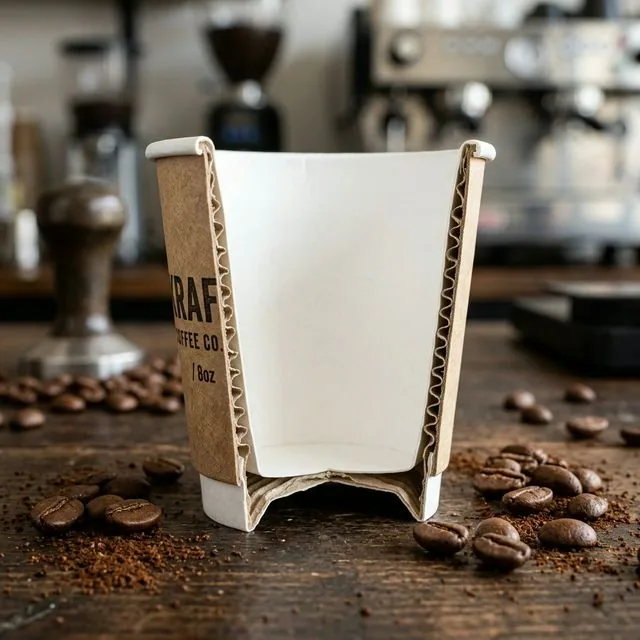
Paper cups are common in coffee shops, offices, events and small-portion programs. The key decision is not only 8 oz, 12 oz or 16 oz. It is also cup wall structure, coating, rim diameter, lid match and sleeve need. TOGO's 8oz Double Wall Kraft Paper Coffee Cup is a useful product link for hot-drink and small-cup discussions.
Food-contact language should stay connected to the specific cup. The FDA's Packaging & Food Contact Substances page is a suitable authority link when explaining why paperboard, coating, ink and lid material all matter.
Clear and Plastic Cup Options
PLA is often discussed for plant-based or compostable positioning, but heat and compostability statements need careful handling. PP and PET are plastic materials, but they may still fit functional programs such as cold beverages, sealed lids, visual display or reheating where the specific item supports it. The useful comparison is by application, not by a single material label.
For environmental statements, use cautious wording aligned with the FTC Green Guides. If compostability is part of the page, connect the statement to evidence for the specific item and the disposal route.
Choose the Lid With the Cup
A cup program often fails because the lid was treated as an afterthought. Cup rim diameter, sip lid style, straw slot, dome lid, sleeve, carton mark and packing count all need to move together. TOGO's cup lid guide and paper cup lid matching guide are useful when you move from cup material to the final lid setup.
Match the Cup to the Drink Program
Disposable cup types make more sense when you start from the drink. Hot coffee, iced tea, smoothies, sampling and soup all ask different things from the cup wall, coating, lid and hand feel. For hot drinks, an 8 oz double wall kraft paper coffee cup is a practical reference because the cup wall and lid experience are part of the service, not an afterthought.
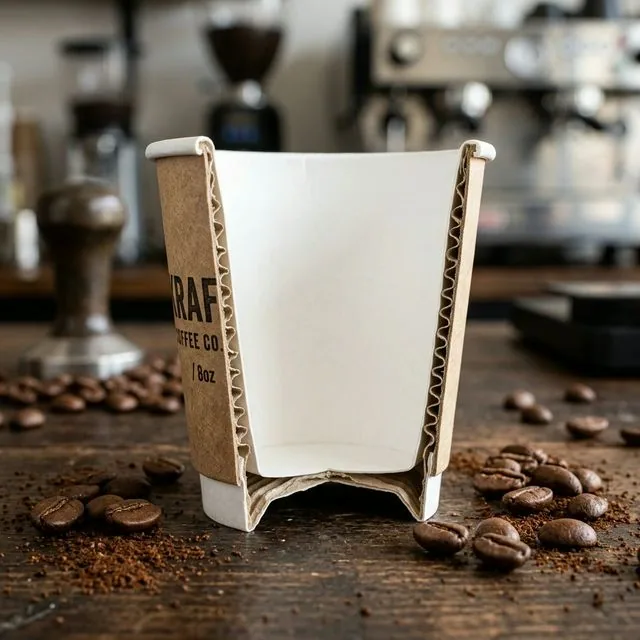
Cup lids should be matched with the rim and drink condition before you confirm carton packing. Use TOGO's paper cup lid matching guide together with the product option so the cup type and lid type are chosen as one set.
| Drink or use case | Cup direction to consider | Key check before ordering |
|---|---|---|
| Hot coffee or tea | Paper cup, often double wall or sleeve-supported | Heat comfort, lid fit and coating review |
| Iced drink | Cold cup with suitable lid | Condensation, lid hole and clarity |
| Smoothie or milk tea | Larger cold cup | Dome/flat lid, straw fit and cup stiffness |
| Sampling | Small paper cup | Portion control and carton efficiency |
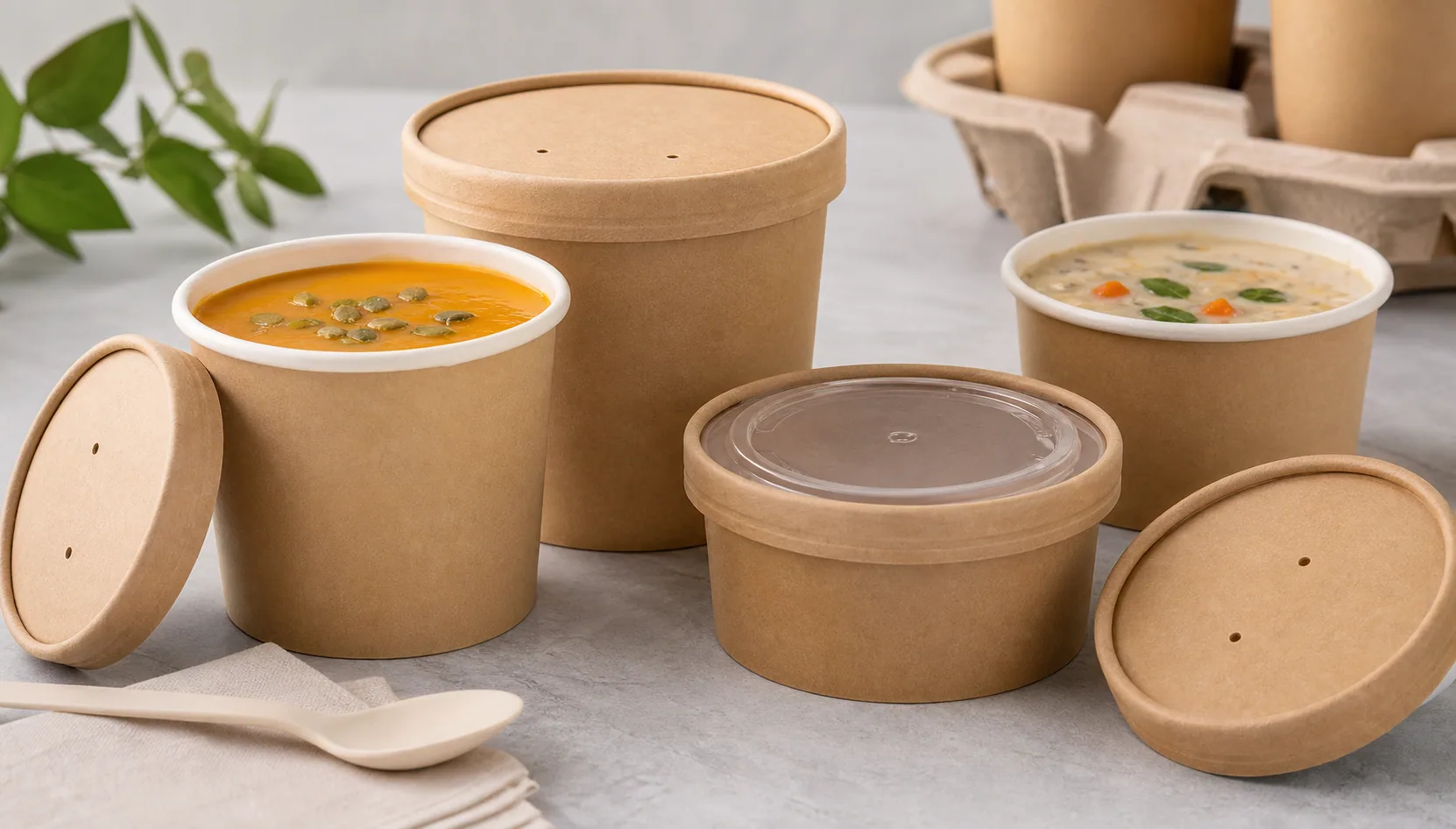
| Soup or oatmeal | Food cup or soup container | Coating, venting and spoonability |
The useful choice is rarely "paper vs plastic" in isolation. It is the cup material plus lid, drink temperature, drink thickness, branding, carton count and any material or environmental claim planned for the website or packaging.
A final practical check is accessory consolidation. If two cup sizes can share one lid series or one sleeve size, the order is easier to store and reorder. If they cannot, mark that early so the quotation reflects the real cup system.
What TOGO Needs for a Cup Quote
For an accurate quote, include the drink type, hot or cold use, cup size, lid style, sleeve need, print design, selling market, expected quantity and any material or environmental claim planned for the website or packaging. TOGO can match paper cup, lid and sleeve options around the drink program rather than quoting a generic cup material.
FAQ
What are the main types of disposable cups?
Common types include paper, PLA, PP, PET and molded fiber or bagasse-style cups.
Which disposable cup is best for coffee?
Paper cups are common for coffee, but wall structure, coating, lid and sleeve needs determine the specific item.
Are PLA cups for hot drinks?
Not by default. PLA cup use depends on the specific item and temperature condition.
Do all cup types use the same lid?
No. Rim diameter and lid design must be matched by item.