
What Does PFAS-Free Mean?
“PFAS-free” means that a product, such as food packaging, cookware, or clothing, has been manufactured without the intentional use or addition of any Per- and Polyfluoroalkyl Substances (PFAS)—a large group of synthetic "forever chemicals" known for their extreme resistance to water, grease, and heat.
What Exactly Are PFAS?
To understand the pfas free meaning, we first need to look at what PFAS are. PFAS stands for Per- and Polyfluoroalkyl Substances. This is a family of over 12,000 artificial chemicals that have been used since the 1940s. Because the molecular bonds between carbon and fluorine are incredibly strong, these chemicals do not break down in nature easily.
Historically, they were loved by manufacturers because they make paper greaseproof and make pans non-stick. You might see people searching for what is pfas in water because these chemicals have leached into global water supplies from manufacturing plants and landfills. Therefore, when a product claims to be "PFAS-free," it is declaring a break from this toxic chemical legacy.
Why It Matters: Health and Environmental Risks
Why is everyone suddenly looking for what does pfas free mean? The answer lies in the danger of accumulation.
Since PFAS do not degrade naturally, they bioaccumulate in the environment, wildlife, and human bodies. According to the Centers for Disease Control and Prevention (CDC / ATSDR), prolonged exposure to high levels of specific PFAS may lead to severe health issues, including increased cholesterol levels, changes in liver enzymes, decreased vaccine response in children, and an increased risk of kidney or testicular cancer.
For businesses and consumers alike, choosing PFAS-free is no longer just a trend—it is a critical public health and safety measure.
Industry and Regulatory Context
Governments and regulatory bodies have sounded the alarm, triggering sweeping changes across the packaging industry:
The Environmental Protection Agency (EPA): The EPA has recently established strict national drinking water standards to restrict certain PFAS chemicals, accelerating the global phase-out.
The Food and Drug Administration (FDA): In early 2024, the FDA announced the voluntary phase-out of certain PFAS used in grease-proofing materials for food packaging in the US market.
State-Level Bans: States like California and New York have already implemented strict bans on intentional PFAS in paper and plant-based food packaging.
Understanding the pfas free meaning is now essential for compliance.
How to Judge and Choose PFAS-Free Products
With "greenwashing" on the rise, how can you trust that a product is genuinely PFAS-free?
Here’s what you should look for:
Check the Certifications: Look for trusted third-party compostability and safety certifications. According to industry standards organizations like the Biodegradable Products Institute (BPI), certified compostable products must now meet strict strict thresholds (often under 100 parts per million of total fluorine) to be verified as PFAS-free.
Ask for Testing Reports: Reliable manufacturers will provide lab testing reports from institutions like SGS or Intertek, proving the absence of fluorine.
Look Beyond "PFOA-Free": Some products claim to be "PFOA-free" but still use other types of PFAS. True PFAS-free means no chemicals in the entire family are used.
Safer Alternatives: Exploring Fluorine-Free Solutions
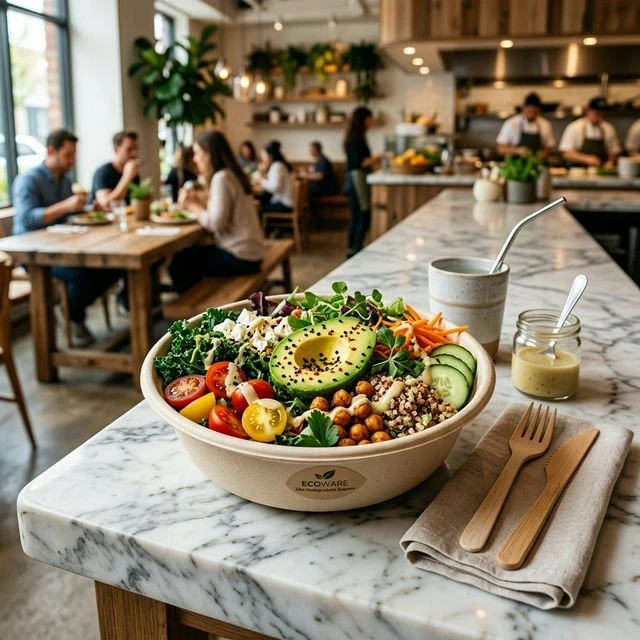
As the demand for pfas free food packaging surges, the industry has developed innovative alternatives that do not rely on toxic chemicals to achieve oil and water resistance.
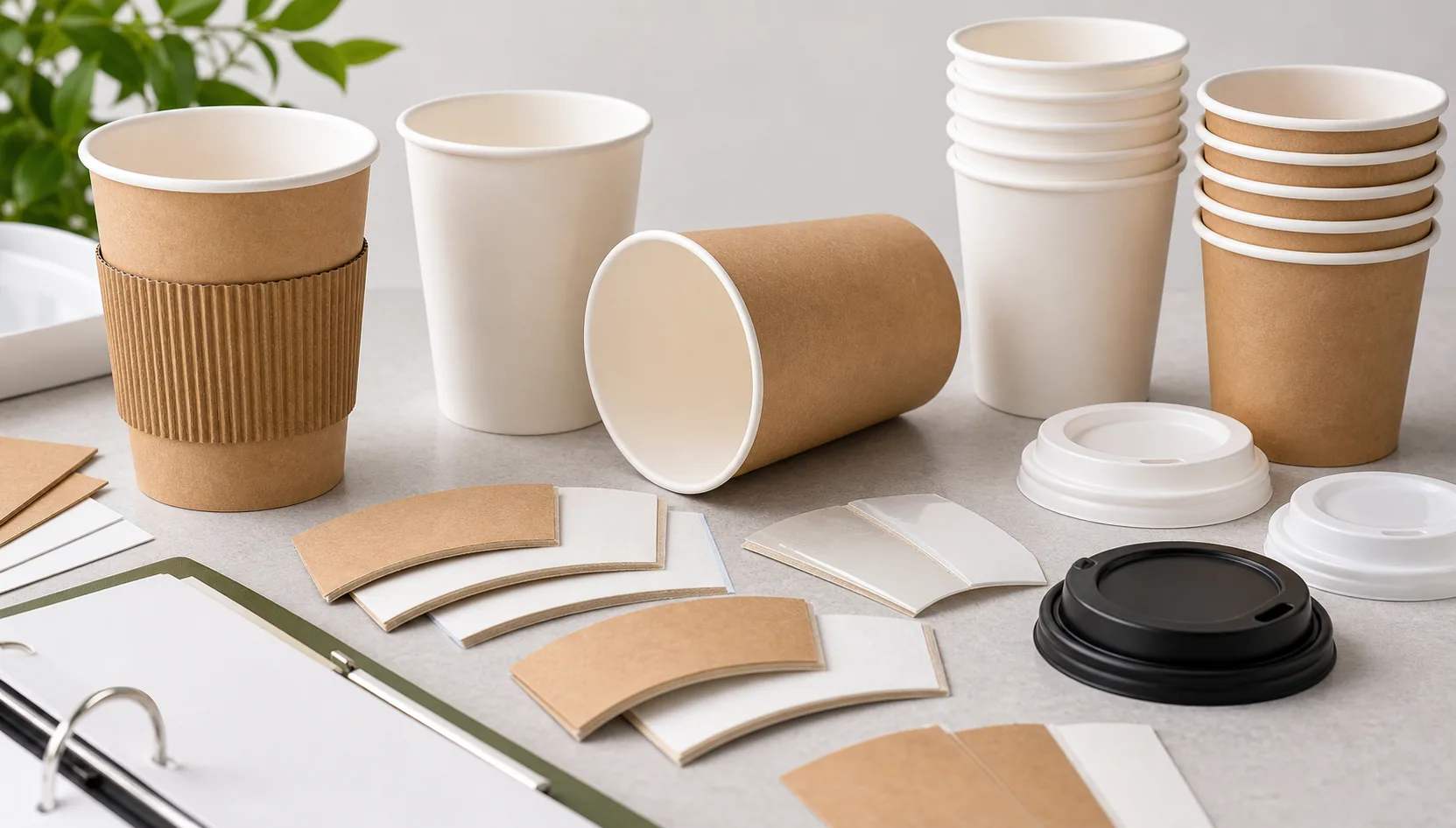
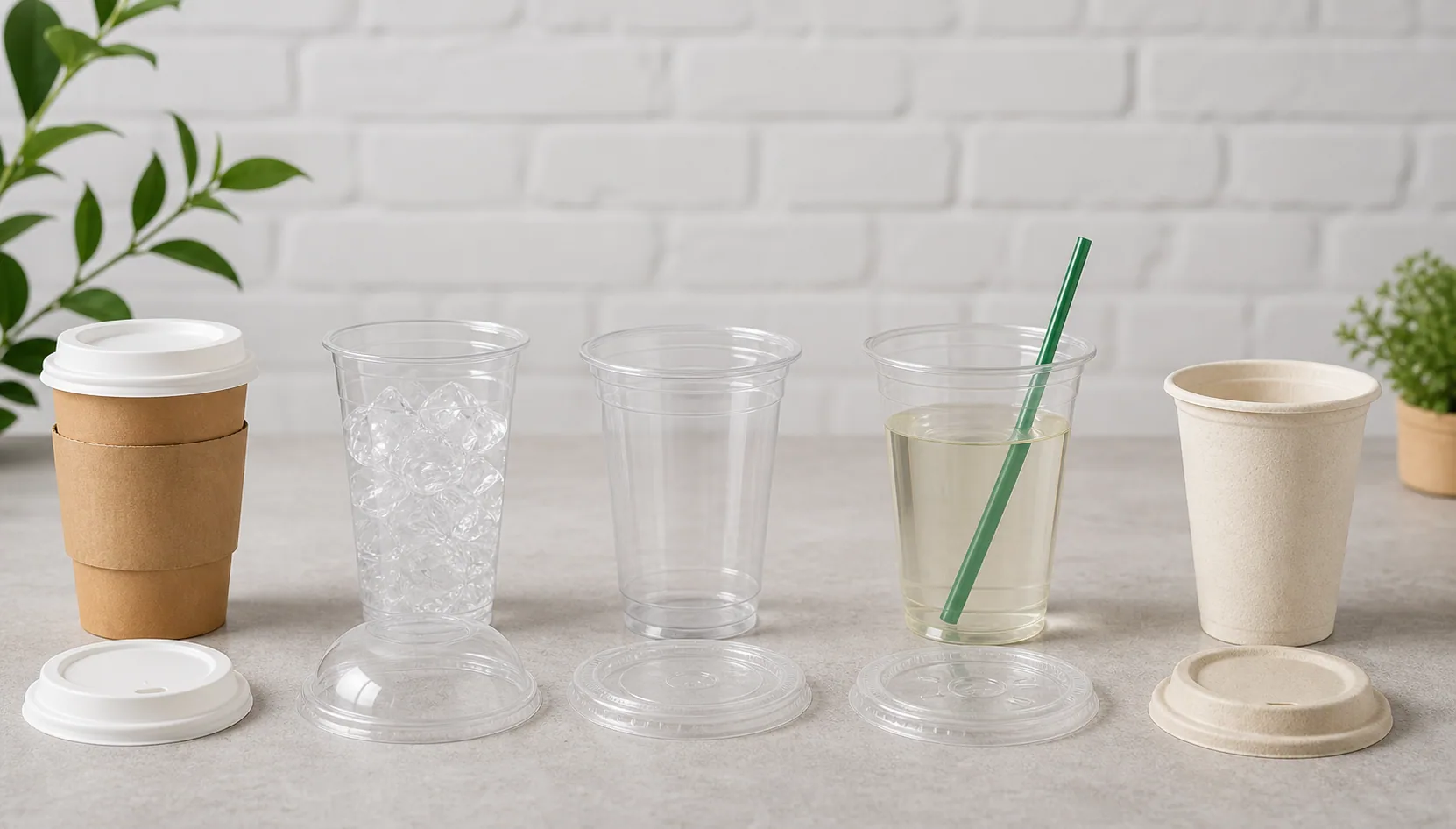
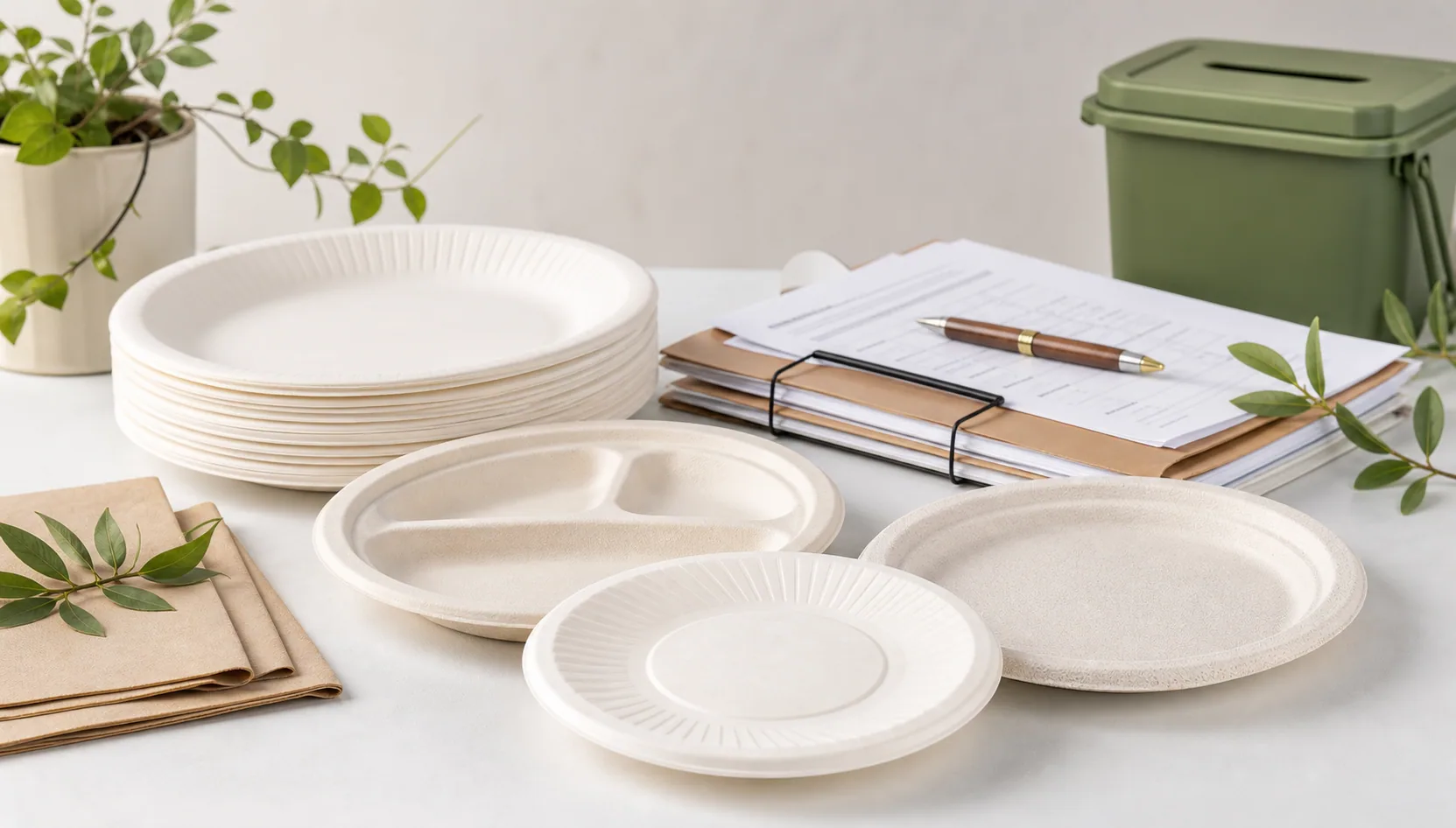
A major report from Toxic-Free Future highlights that the transition to safer alternatives is entirely possible today. At ToGoTableware, our state-of-the-art bagasse (sugarcane pulp) and paper products use advanced plant-based waterproof and greaseproof coatings. Whether you are searching for compostable pfas free paper plates, sturdy pfas free paper bowls, or everyday pfas free paper cups, our structural innovations provide natural barrier properties without a single drop of PFAS.
Making the Switch to PFAS-Free Food Packaging
Whether you are a consumer trying to protect your family or a restaurant owner looking to comply with new regulations while keeping customers safe, the shift to PFAS-free is non-negotiable.
Ready to make the sustainable switch? Explore our complete range of certified pfas free food containers at ToGoTableware. From compostable bagasse clamshells to heavy-duty pfas free paper plates, we provide you with lab-tested, genuinely eco-friendly packaging solutions that protect both your food and the environment.
FAQ: Common Questions About PFAS-Free
Q: What foods contain PFAS?
A: PFAS themselves aren't food ingredients, but they can migrate into food through contaminated water supplies, agricultural soil, and most commonly, standard grease-resistant fast food packaging.
Q: Are PFAS-free products completely free of fluorine?
A: Because PFAS are ubiquitous in ambient water and soil, trace, unintentional background levels (usually under 100 ppm) might exist. However, "PFAS-free" means absolutely no intentional addition of these chemicals during manufacturing.
Q: Does "PFAS-Free" mean it is compostable?
A: Not necessarily. A plastic bowl can be PFAS-free but not compostable. However, if you want a compostable food container, it MUST be PFAS-free to meet modern BPI and CMA standards.