
What Food Packaging Contains PFAS?
Many types of traditional food packaging, especially paper-based wrappers and fiber bowls designed to hold greasy foods, have historically been manufactured with deliberately added PFAS chemicals to prevent oil and water from soaking through.
Uncovering the Use of PFAS in Fast Food Packaging
When people ask, "what food packaging contains pfas?", they are usually surprised to learn that it's often the packaging designed to look like "eco-friendly" paper or cardboard.
PFAS (Per- and Polyfluoroalkyl Substances) are an incredibly durable class of synthetic chemicals. To prevent your burger grease from seeping through its paper wrapper, manufacturers coat the paper in a microscopic layer of these chemicals. Because PFAS repel both water and oil simultaneously, they became the industry standard solution for producing cheap, greaseproof food packaging with pfas.
The Dangers of Food Packaging with PFAS
The presence of pfas in fast food packaging is highly alarming because these chemicals do not stay locked inside the paper.
When hot, greasy, or acidic food comes into direct contact with the packaging, the PFAS chemicals can migrate out of the paper and directly into the food you are about to eat. As highlighted by ongoing research backed by the National Institutes of Health (NIH), ingesting PFAS contributes to a toxic bioaccumulation in the human body, increasing the risks of liver damage, immune system disruption, and certain cancers.
Global Bans and Retailer Pledges
Because of this direct ingestion risk, the use of PFAS in food contact materials has become a major global regulatory target:
The Food and Drug Administration (FDA): Historically, the FDA approved various PFAS for food contact. However, facing mounting evidence of toxicity, the FDA announced in 2024 a comprehensive voluntary phase-out of certain PFAS grease-proofing agents used on paper packaging in the USA.
Toxic-Free Future: This prominent environmental health organization has published multiple investigative reports showing how pervasive PFAS have been in fast-food chains, successfully pressuring major retailers to pledge a shift toward PFAS-free materials.
How to Judge and Choose Safe Packaging
So, how do you avoid these hidden chemicals?
Consumers and restaurant buyers must explicitly request documentation. Do not assume a plain brown paper box is safe. Look for packaging that explicitly carries verified "PFAS-Free" or "Total Fluorine-Free" declarations. For compostable fiber products, ensure they are certified by rigorous modern standards like BPI, which prohibit the intentional addition of PFAS and mandate strict total fluorine testing.
Safer Alternatives: PFAS Free Food Packaging Options

You do not need to rely on toxic chemicals to serve a greasy meal perfectly.
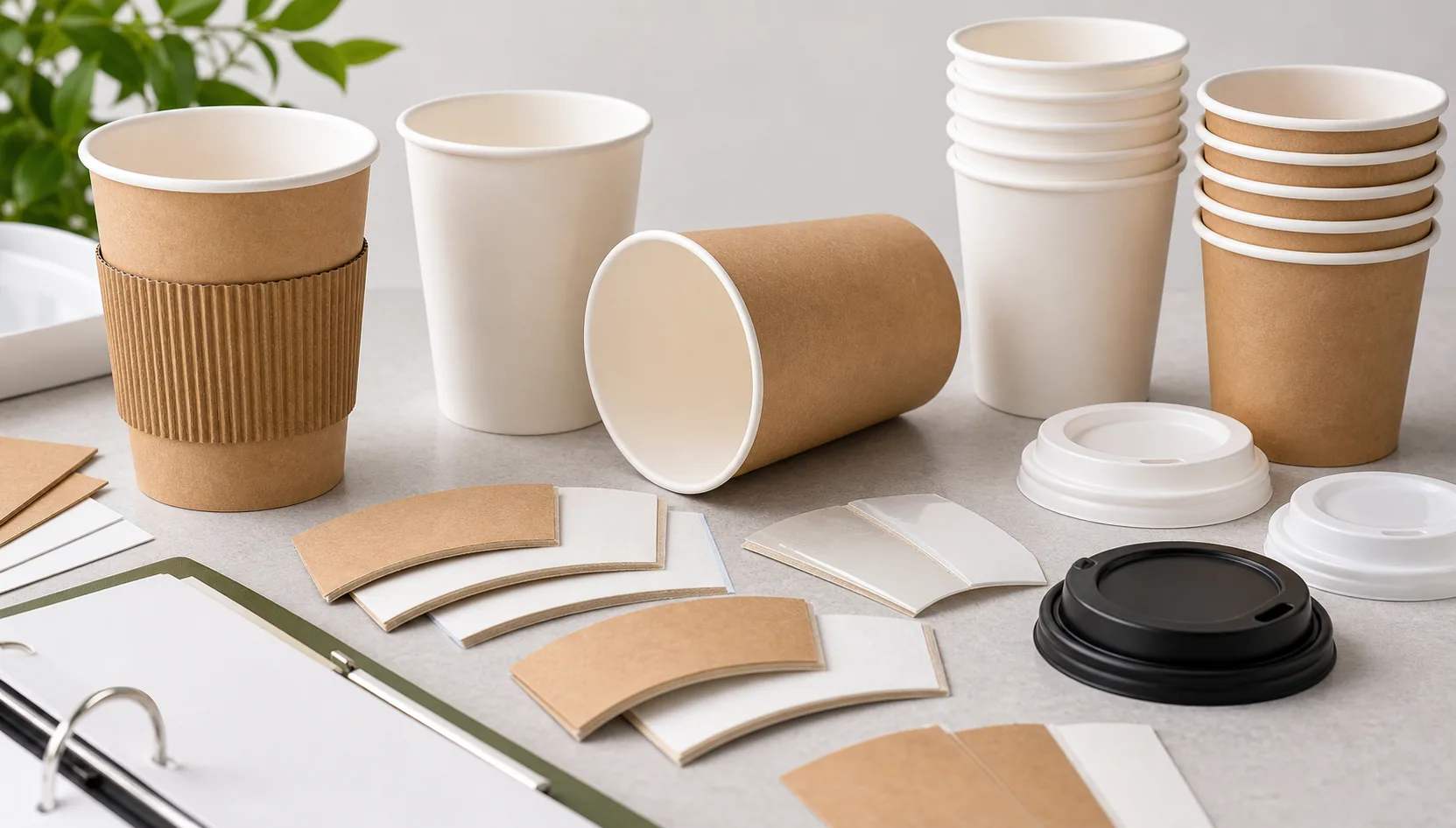
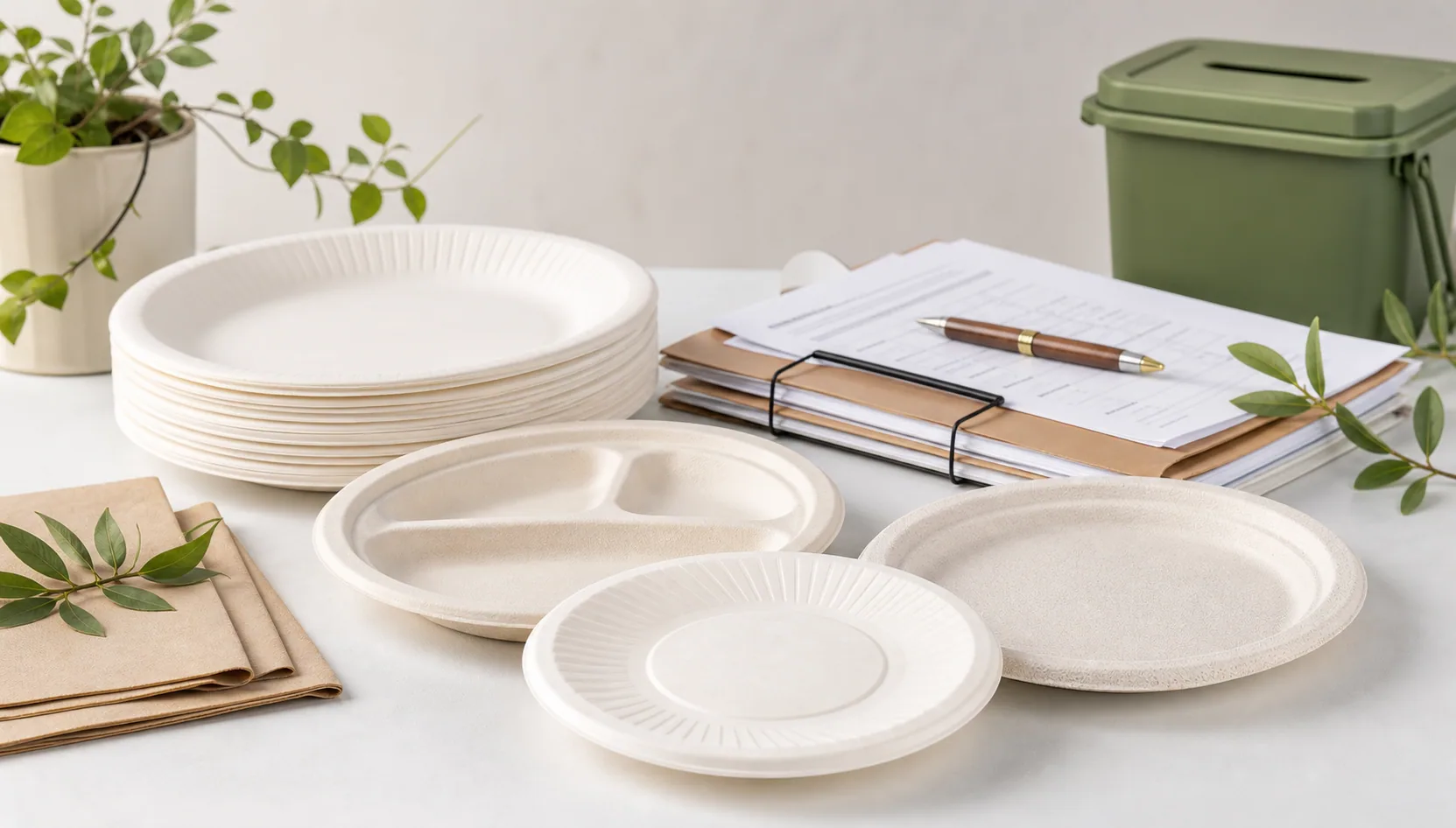
At ToGoTableware, our state-of-the-art bagasse (sugarcane pulp) and paper products use advanced plant-based waterproof and greaseproof coatings. Whether you are searching for compostable pfas free paper plates, sturdy pfas free paper bowls, or everyday pfas free paper cups, our structural innovations provide superior grease and moisture barriers without a single drop of PFAS.
Making the Switch to PFAS-Free Food Packaging
Protecting your customers from chemical migration should be the top priority for any food service business. The transition to safe, plant-based packaging is easier and more affordable than ever.
Ready to make the sustainable switch? Explore our complete range of certified pfas free food containers at ToGoTableware. From compostable bagasse clamshells to heavy-duty pfas free paper plates, we provide you with lab-tested, genuinely eco-friendly packaging solutions that protect both your food and the environment.
FAQ: Identifying the Risks
Q: Does all fast food packaging have PFAS?
A: No, largely due to recent legislation and consumer pressure, many national chains have successfully transitioned away from using pfas in fast food packaging, though smaller suppliers and older stock may still contain it.
Q: Do plastic containers have PFAS?
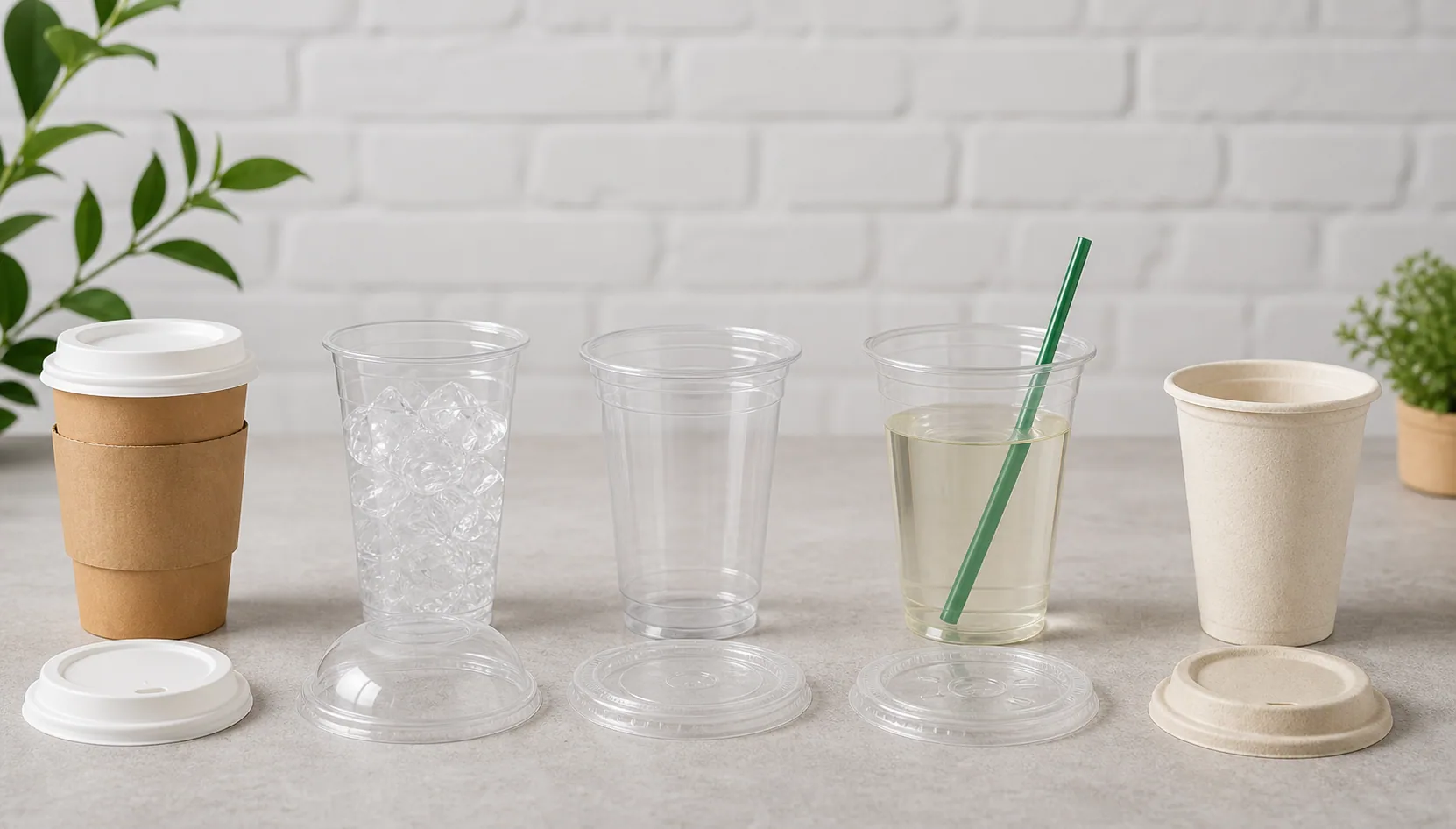
A: Generally, standard plastic takeout containers (like PP or PET) do not use PFAS, as the plastic itself is naturally waterproof and greaseproof. PFAS is primarily a concern for molded fiber, paper, and cardboard products.
Q: Can you see or taste PFAS in packaging?
A: No. PFAS coatings are completely invisible, odorless, and tasteless, which is why official lab testing and certifications are the only reliable way to know if they are present.