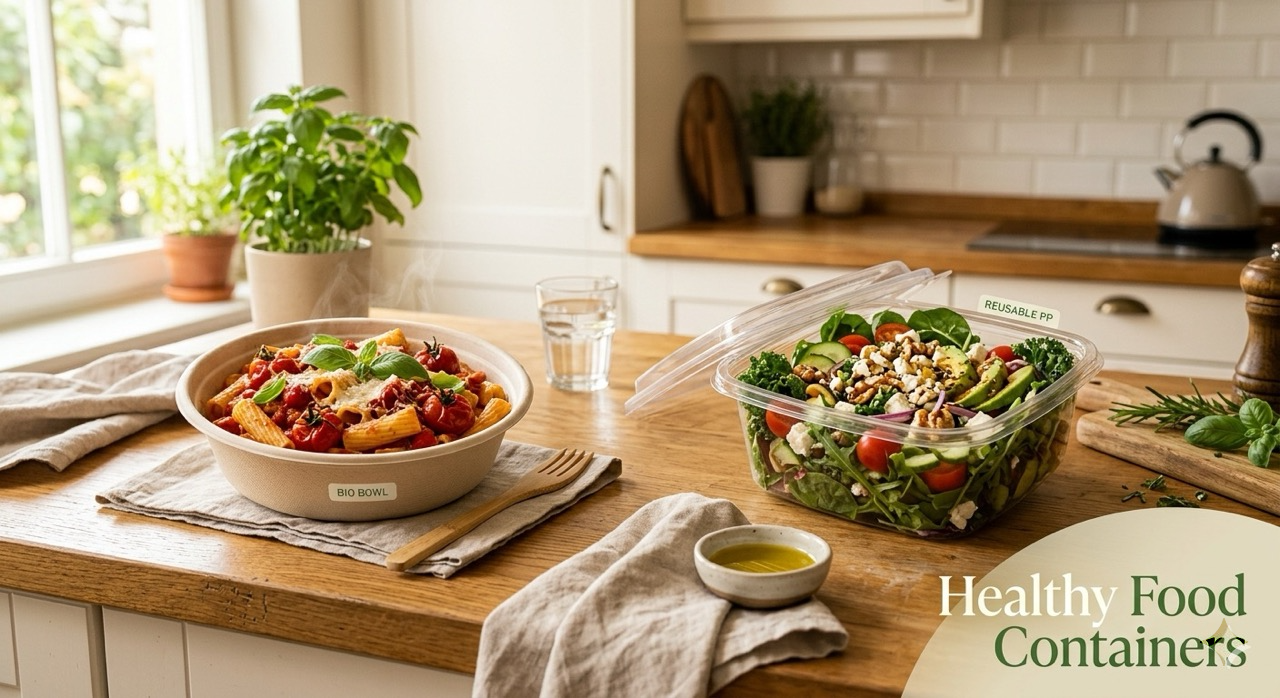
Let’s be real—choosing takeout packaging isn't exactly the most glamorous part of running a restaurant. But having supplied over 5 million food storage containers to commercial kitchens, we can tell you this: the wrong container can ruin a great meal and even introduce sneaky chemicals into the food.
So, let's cut through the jargon. What should you actually be using to keep your food (and your customers) safe?
Why Should You Not Store Food in Plastic Containers?
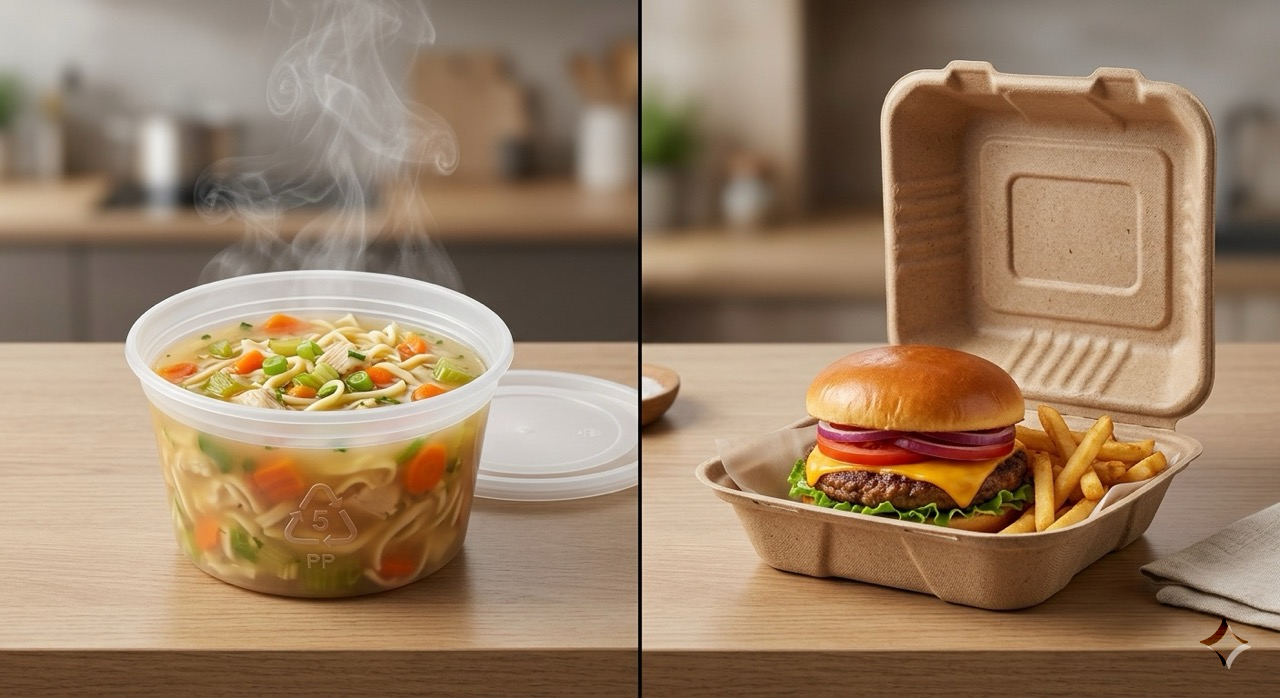
Not all plastics are villains, but using the wrong ones definitely is. When hot, greasy, or acidic foods (like that amazing tomato sauce) sit in cheap plastic, the materials can break down.
When people ask, "What are the three unsafe plastics?", they usually refer to:
PVC (Polyvinyl Chloride): Contains phthalates. Definitely avoid.
PS (Polystyrene/Styrofoam): Can leach styrene when heated.
PC (Polycarbonate): Historically contained BPA.
Also, watch out for "forever chemicals." Historically, some paper and plastic containers used PFAS to prevent grease from soaking through. Today, rigorous FDA 21 CFR 176.170 testing ensures modern, compliant containers are PFAS-free. Always ask your supplier for their test reports!
What is the Safest Plastic for Storing Food?
If you must use plastic—especially for heavy, hot soups or meal-prep that requires microwave reheating—Polypropylene (PP) is your best friend.
PP (usually marked with a #5 recycling symbol) is widely considered the safest plastic for storing food. It is highly heat-resistant, microwave-safe, and does not contain BPA or phthalates. It's tough, reliable, and won't melt when your customer heats up last night's dinner.
What Are the Best Non-Plastic Food Containers?
Want to ditch plastic entirely? You've got fantastic options.
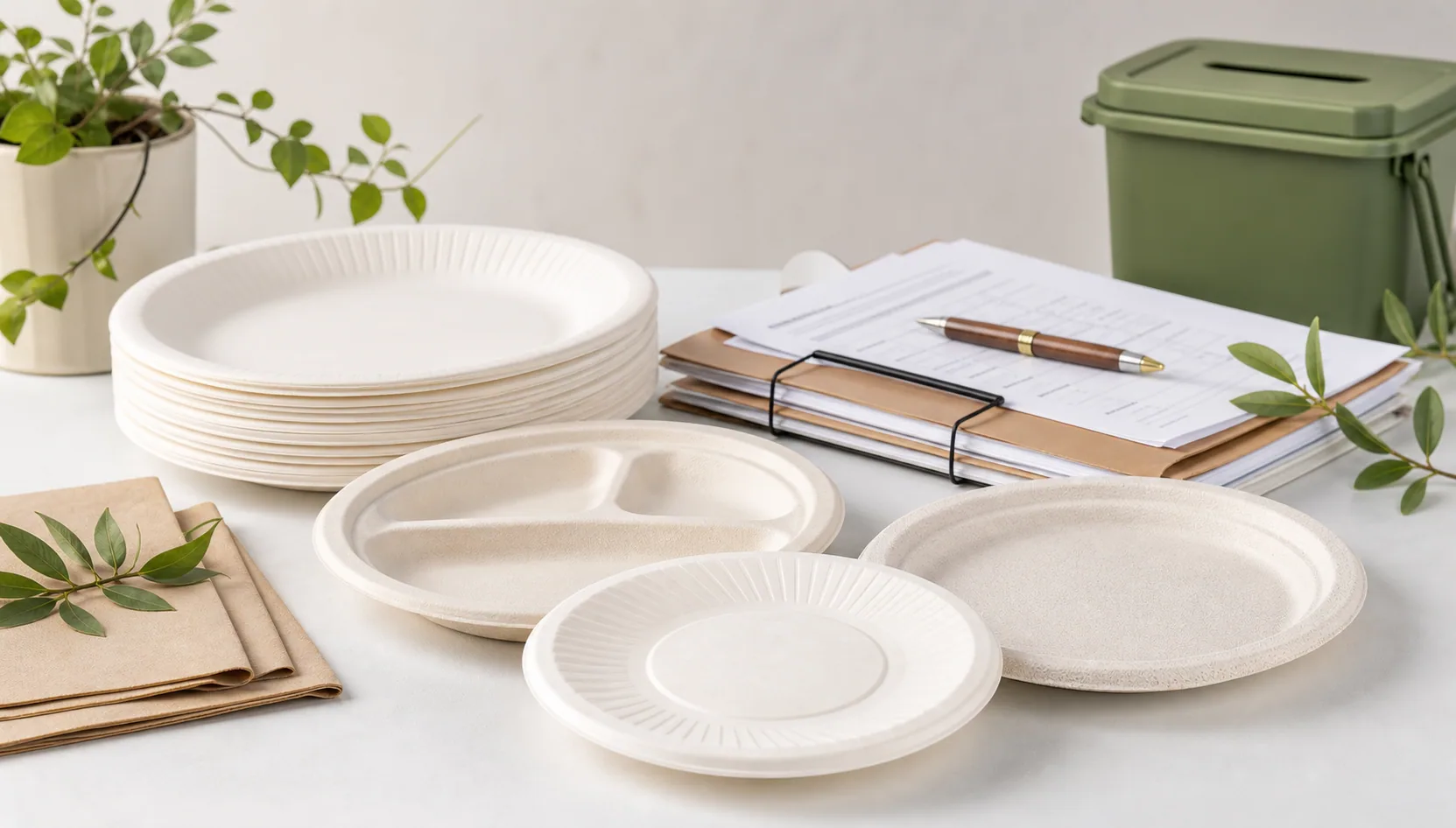
The undisputed champion right now is Sugarcane Bagasse. It’s a natural molded fiber made from the leftover stalks of sugarcane. It is completely plastic-free, highly durable, and handles hot, greasy foods beautifully (as long as you choose a PFAS-free version, like ours).
How ToGoTableware Solves This
We specialize in providing FDA-approved, PFAS-free Bagasse and high-quality PP containers for B2B restaurant chains. Don't compromise your menu with cheap packaging. Contact us now!
FAQ
Q: What should you never store in plastic containers?
A: Avoid storing highly acidic foods (like tomato sauce or citrus) and scorching hot, high-fat foods in cheap, non-PP plastics, as they can cause chemical leaching and staining.
Q: Does freezing in Ziploc bags release microplastics?
A: Standard freezing usually doesn't aggressively release microplastics, but microwaving or heating foods inside thin freezer bags definitely can. Always transfer to a glass, ceramic, or PP container before heating!
Q: Is Tupperware or Rubbermaid better?
A: Both are legacy household brands, but for commercial B2B restaurant use, you need bulk, stackable, and disposable/recyclable options like our commercial-grade PP or eco-friendly Bagasse containers.