
The food service industry is changing quickly. Today, restaurants, cafés, catering companies, hotels, food delivery brands, and packaging distributors are expected to think beyond food quality. Packaging, presentation, hygiene, convenience, and sustainability have all become part of the customer experience.
Disposable tableware remains essential for takeaway meals, catering events, delivery orders, outdoor dining, supermarkets, festivals, and ready-to-eat food service. However, traditional plastic cutlery, foam containers, and single-use plastic packaging are facing increasing pressure from environmental concerns, consumer expectations, and packaging regulations.
According to the United Nations Environment Programme, around 36% of all plastics produced are used in packaging, including single-use plastic food and beverage containers. UNEP also reports that 85% of single-use plastic food and beverage packaging ends up in landfills or as mismanaged waste.
This is one of the key reasons more food businesses are exploring eco-friendly disposable tableware, including wooden cutlery, bamboo utensils, bagasse bowls, compostable plates, kraft paper food boxes, and sustainable takeaway containers.
Why Packaging Waste Matters
Packaging is one of the largest sources of plastic waste. According to Our World in Data, using data from the OECD Global Plastics Outlook, around 40% of global plastic waste comes from packaging. The same source also notes that packaging accounts for 37% of plastic waste in the United States, 38% in Europe, and 45% in China.
Data Point | Source | What It Means for Food Businesses |
|---|---|---|
36% of all plastics produced are used in packaging | Packaging is one of the most important areas for plastic reduction. | |
85% of single-use plastic food and beverage packaging ends up in landfills or as mismanaged waste | Disposable food packaging is under strong environmental scrutiny. | |
Around 40% of global plastic waste comes from packaging | Packaging waste is a global issue, not limited to one market. | |
Packaging accounts for 37% of plastic waste in the U.S., 38% in Europe, and 45% in China | Major food service markets are all facing packaging-related pressure. | |
Plastic waste could nearly triple by 2060 under a business-as-usual scenario | Long-term demand for plastic alternatives is likely to continue. |
For food service businesses, this matters because packaging is highly visible. Customers may not see a restaurant’s supply chain, but they directly use the bowl, fork, cup, tray, or takeaway box that comes with the meal.
Regulation Is Accelerating the Shift Away from Plastic
In many markets, sustainability is no longer only a branding topic. It is also becoming a compliance issue.
For example, the European Union’s single-use plastics rules restrict several single-use plastic products, including plastic cutlery, plates, straws, beverage stirrers, expanded polystyrene food and beverage containers, expanded polystyrene cups, and oxo-degradable plastic products.
This type of regulation encourages restaurants, distributors, importers, and food packaging buyers to look for alternative materials such as wood, bamboo, bagasse, paper, and other compostable or recyclable options.
Even in markets where regulations are still developing, consumer awareness is already influencing purchasing decisions. A food brand that uses more responsible packaging can often communicate a cleaner, more modern, and more thoughtful brand image.
Why Eco-Friendly Disposable Tableware Matters
Switching to sustainable disposable tableware is not only about reducing plastic. It can also support brand image, customer satisfaction, operational convenience, and long-term business competitiveness.
1. It Supports a More Responsible Brand Image
Packaging is part of the dining experience. When customers receive food with wooden cutlery, bamboo utensils, bagasse bowls, or kraft paper packaging, they often associate the brand with quality, care, and environmental responsibility.
For restaurants, cafés, catering companies, hotels, airlines, and food delivery brands, small packaging choices can create a strong impression. A natural-looking wooden fork, a clean bagasse bowl, or a well-designed paper container can make a meal feel more thoughtful and premium.
2. It Works Across Many Food Service Scenarios
Eco-friendly disposable tableware can be used in a wide range of food service applications, including takeaway, delivery, catering, desserts, salads, snacks, hotels, airlines, supermarkets, festivals, and corporate events.
For example, dessert shops, cafés, and catering businesses can use the 8oz eco-friendly bagasse dessert bowl for fruit, ice cream, snacks, side dishes, and small takeaway portions. Bagasse tableware is especially suitable for businesses looking for alternatives to plastic or foam food containers.
3. It Improves Customer Experience
Sustainable packaging still needs to perform well. Customers expect disposable tableware to be clean, reliable, easy to use, and suitable for the food being served.
Wooden cutlery is popular because it offers a natural appearance and a sturdy feel. It is suitable for takeaway meals, catering boxes, outdoor dining, airline meals, and event food service. A product such as the 4-in-1 disposable wooden cutlery kit provides a convenient solution by combining a wooden knife, spoon, fork, and napkin in one set.
4. It Helps Businesses Prepare for Plastic Reduction Trends
Plastic reduction is becoming a long-term direction in food packaging. Businesses that start evaluating alternative materials earlier may be better prepared for future regulations, customer expectations, and distributor requirements.
Choosing biodegradable, compostable, recyclable, or plastic-free tableware can help restaurants and packaging buyers reduce risk while offering customers a more responsible food service experience.
Comparison of Popular Eco-Friendly Tableware Materials
Different eco-friendly materials are suitable for different food service needs. The table below helps buyers compare common options before sourcing.
Material | Common Products | Key Advantages | Best For |
|---|---|---|---|
Wood | Forks, knives, spoons, stirrers, cutlery kits | Natural look, sturdy feel, plastic-free | Takeaway meals, catering, events, airline meals |
Bamboo | Cutlery, skewers, picks, utensils | Renewable, strong, premium appearance | Restaurants, cafés, private-label packaging, wholesale supply |
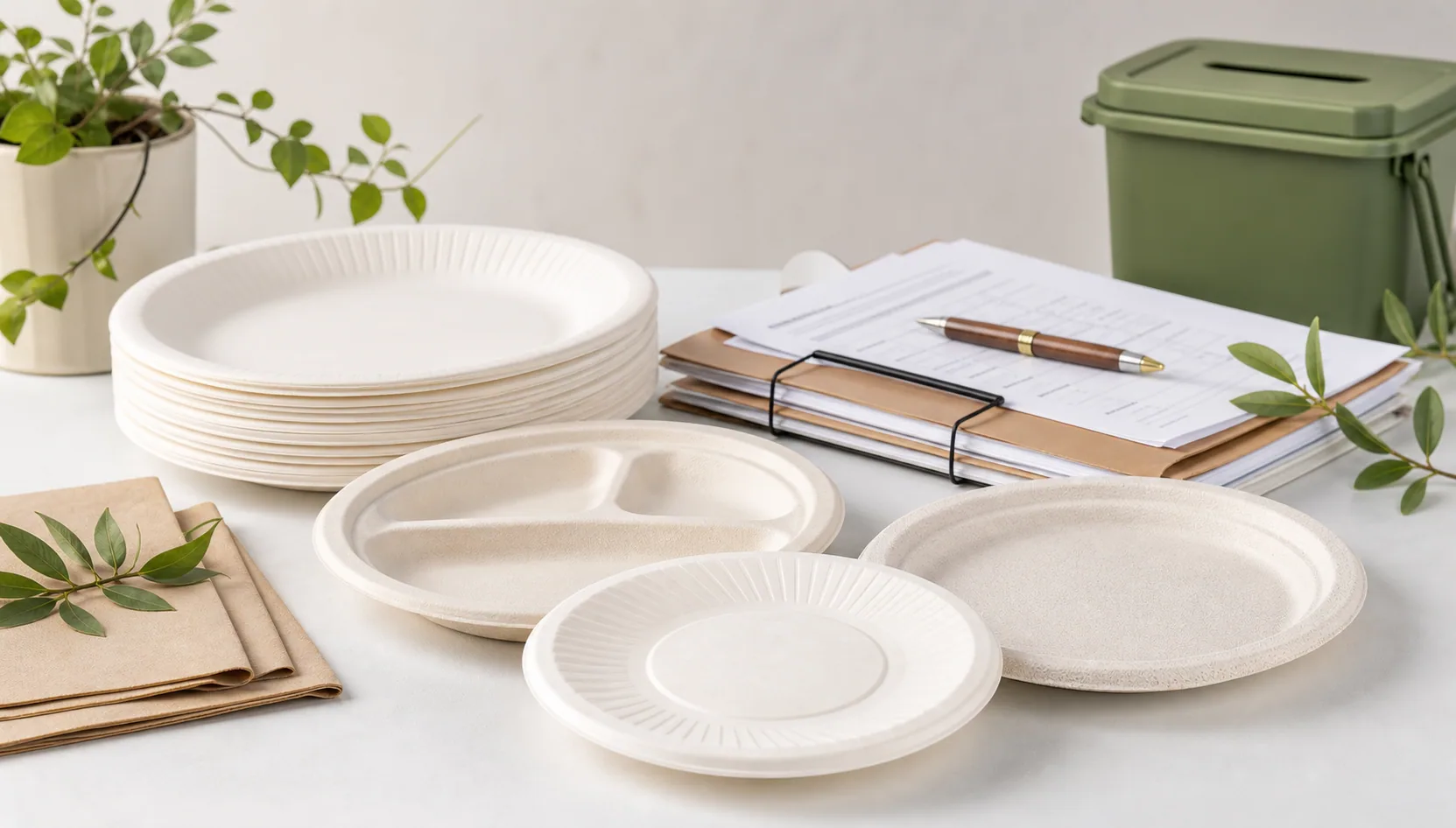
Bagasse | Bowls, plates, trays, clamshell containers | Made from sugarcane fiber, suitable for many food applications | Desserts, salads, meals, snacks, catering |
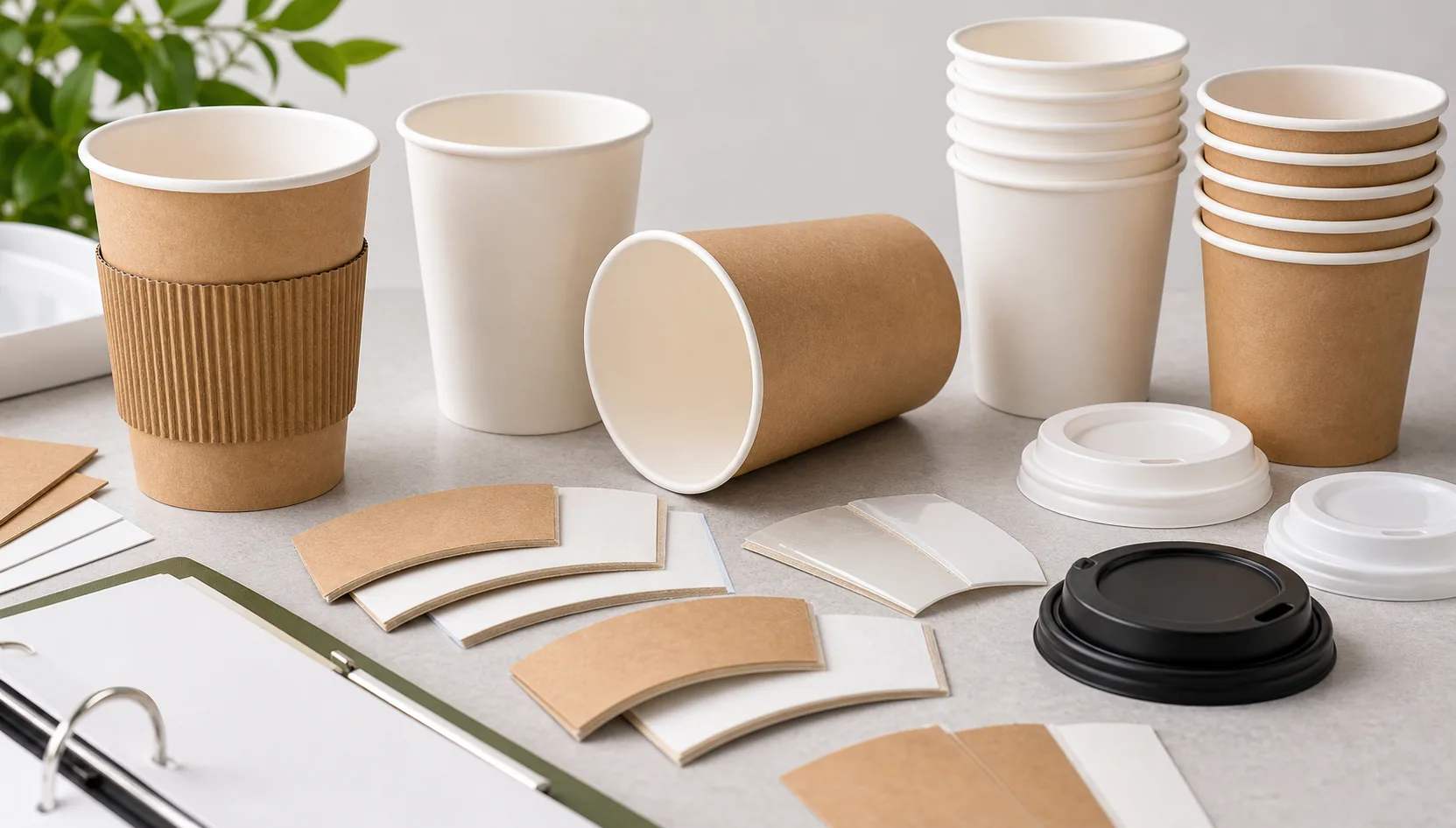
Kraft paper | Boxes, bowls, cups, sleeves, bags | Lightweight, printable, brand-friendly | Bakeries, cafés, fast-casual restaurants, delivery |
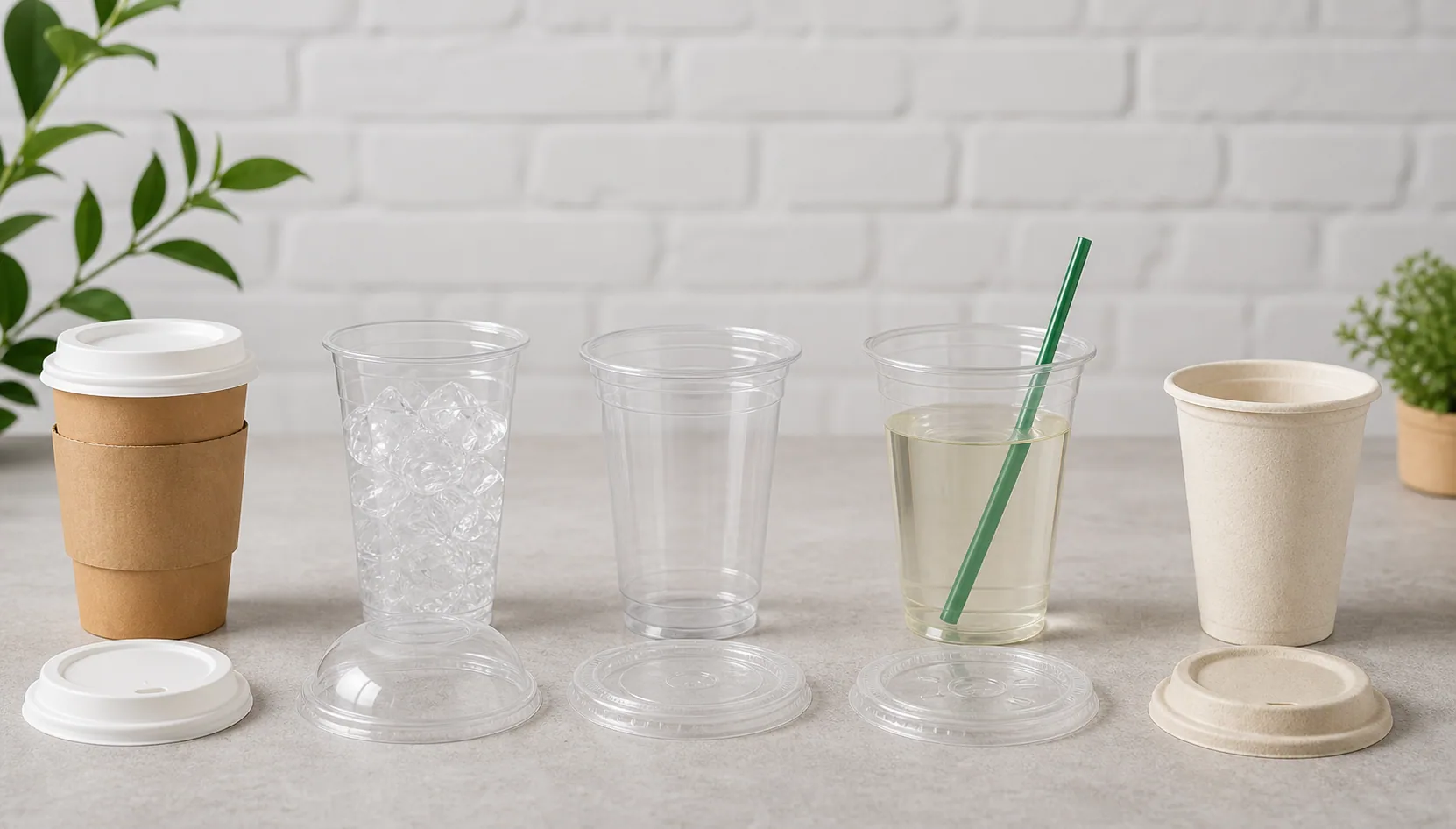
PLA / CPLA | Clear bowls, lids, selected cutlery | Bio-based plastic alternative | Cold food, salads, selected takeaway applications |
Wholesale buyers can explore options such as custom bamboo cutlery wholesale for restaurants, distributors, and private-label packaging projects.
Businesses comparing broader product categories can also visit the eco-friendly disposable tableware products page for more sustainable food packaging options, including disposable plates, bowls, cutlery, and related food service packaging products.
How to Choose the Right Eco-Friendly Tableware Supplier
A reliable supplier is important for businesses that need consistent product quality, stable supply, export support, and flexible packaging options.
Before choosing a supplier, buyers should consider product material, food application, size, capacity, design requirements, suitability for hot or cold food, packaging format, carton requirements, wholesale supply capability, custom branding, certification needs, delivery schedule, and supply stability.
For restaurants, catering companies, distributors, supermarkets, and food packaging buyers, working with a professional eco-friendly tableware supplier can make the transition from plastic packaging to sustainable alternatives much easier.
A supplier with a broad product range can also help buyers reduce sourcing complexity. For example, a restaurant group or distributor may need wooden cutlery kits, bamboo utensils, bagasse bowls, kraft paper boxes, and other packaging products at the same time. In this case, choosing a supplier that offers multiple categories of eco-friendly disposable tableware products can improve sourcing efficiency and product consistency.
Final Thoughts
Eco-friendly disposable tableware is no longer just a trend. It is becoming a practical choice for food businesses that want to reduce plastic use, improve customer experience, prepare for changing regulations, and build a more responsible brand image.
From wooden cutlery and bamboo utensils to bagasse bowls and paper food packaging, sustainable tableware gives modern food businesses more options for takeaway, delivery, catering, hospitality, and retail food service.
To learn more about sustainable tableware materials and packaging ideas, visit the TogoTableware blog. You can also explore a wide range of eco-friendly disposable tableware products designed for food service and wholesale supply.