Filled vs. Empty Tissue Boxes: B2B Sourcing Guide
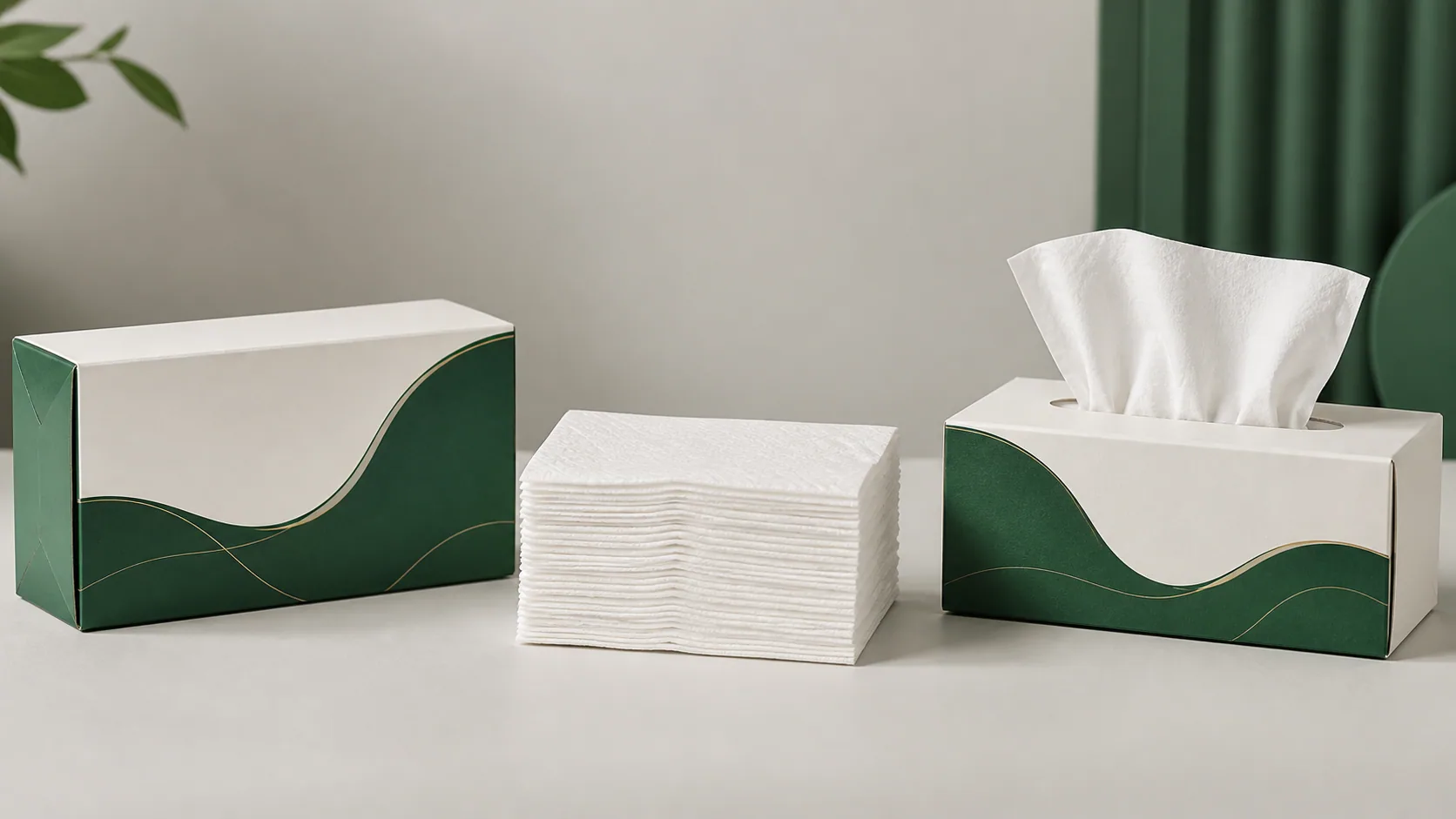
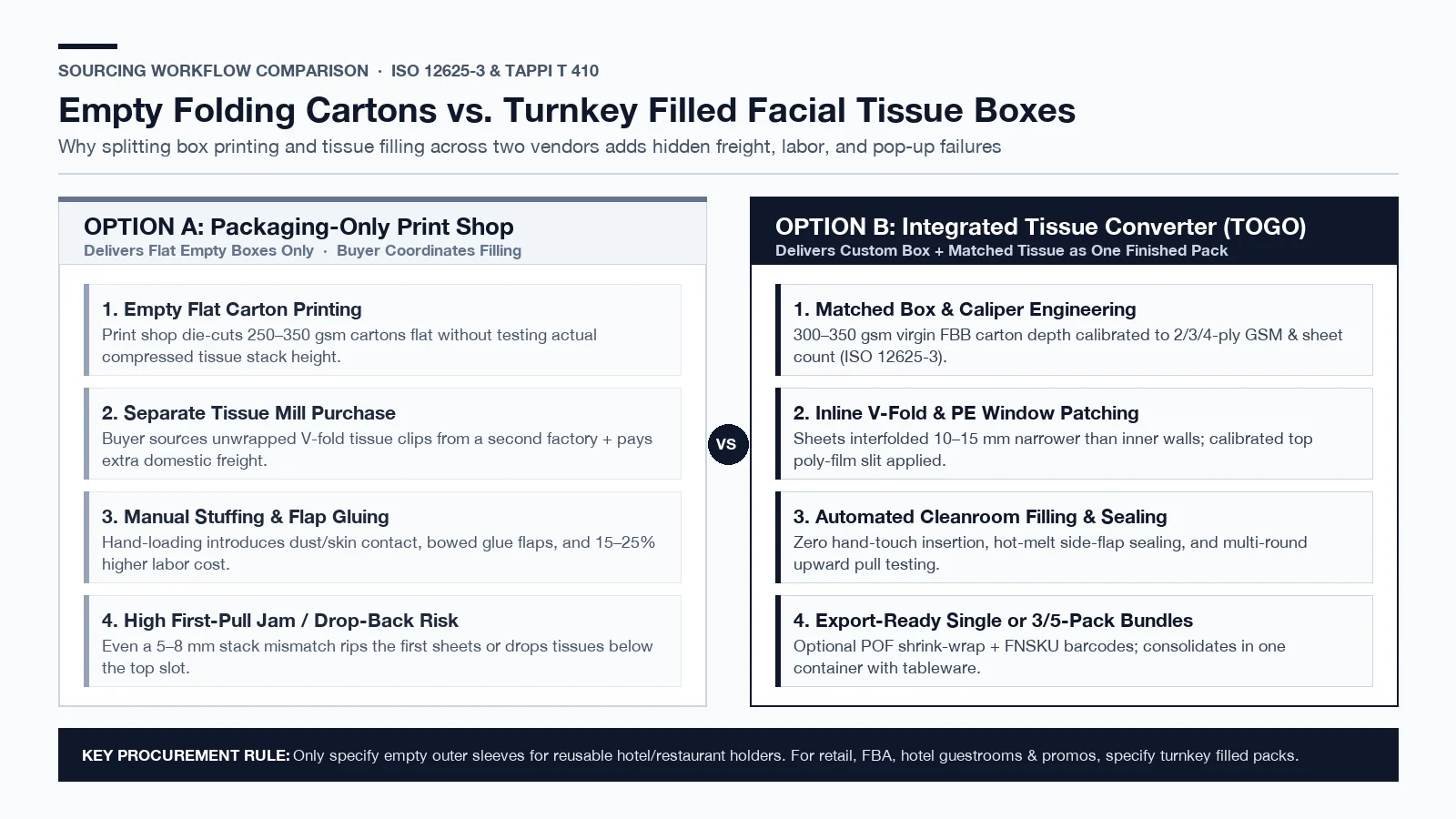
Compare buying tissue-filled custom boxes from an integrated manufacturer vs. empty printed cartons: landed cost, V-fold pop-up fit, hygiene rules, and 5–7 day samples.
Discover the latest trends in sustainable tableware, eco-friendly packaging solutions, and industry insights from our experts

Simple guide to standard rectangular, cube, slim, and car tissue box sizes in inches and mm, why top-opening pulls smoother than side-opening, 2–4 ply options, and 3/5-pack shrink-wrap.

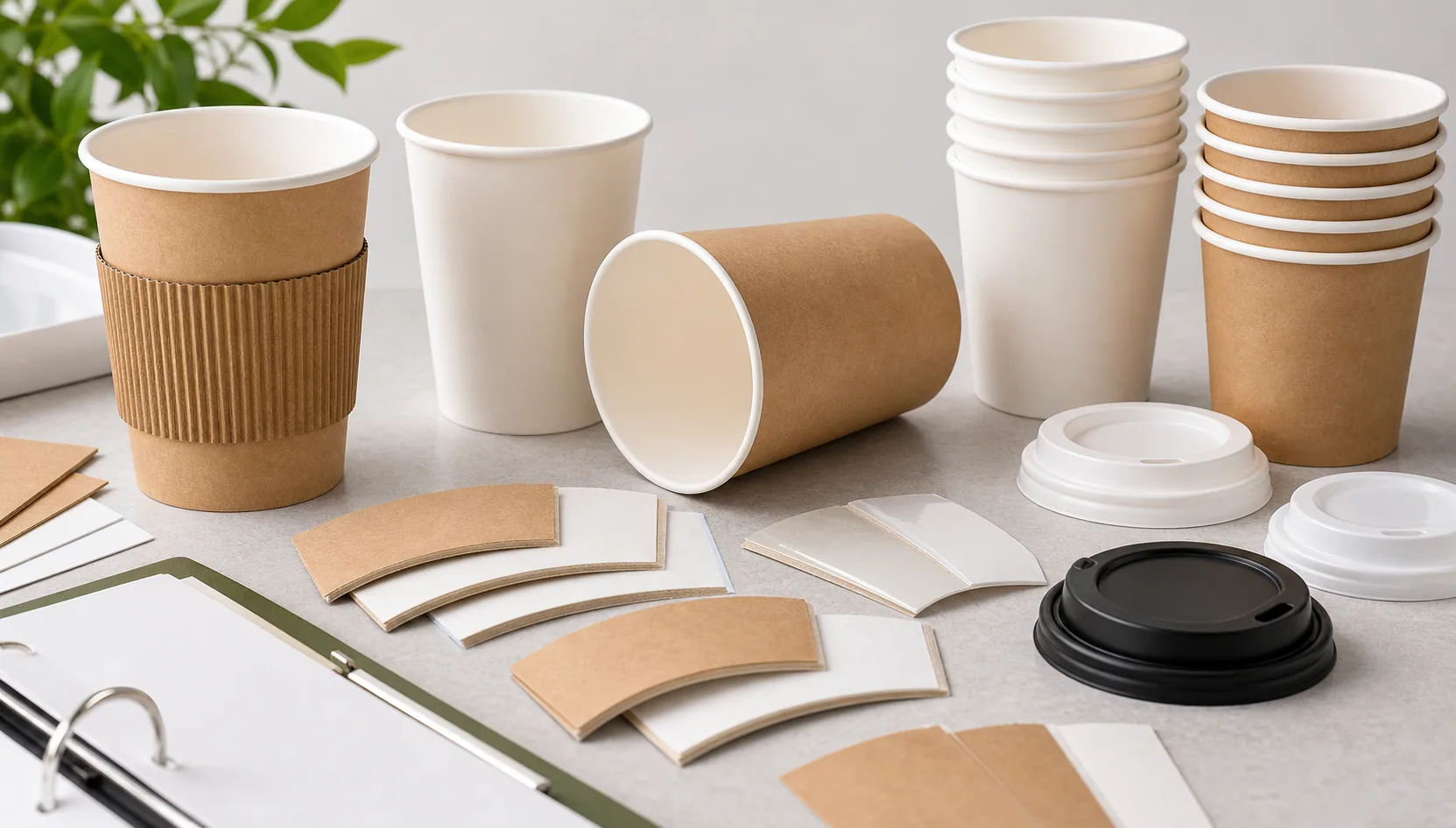
Paper cups combine paperboard with a liquid barrier, printing and a rim-and-lid system. PE, PLA and aqueous barriers serve different purposes, while PFAS, recyclability and compostability claims need support for the specific cup and market.

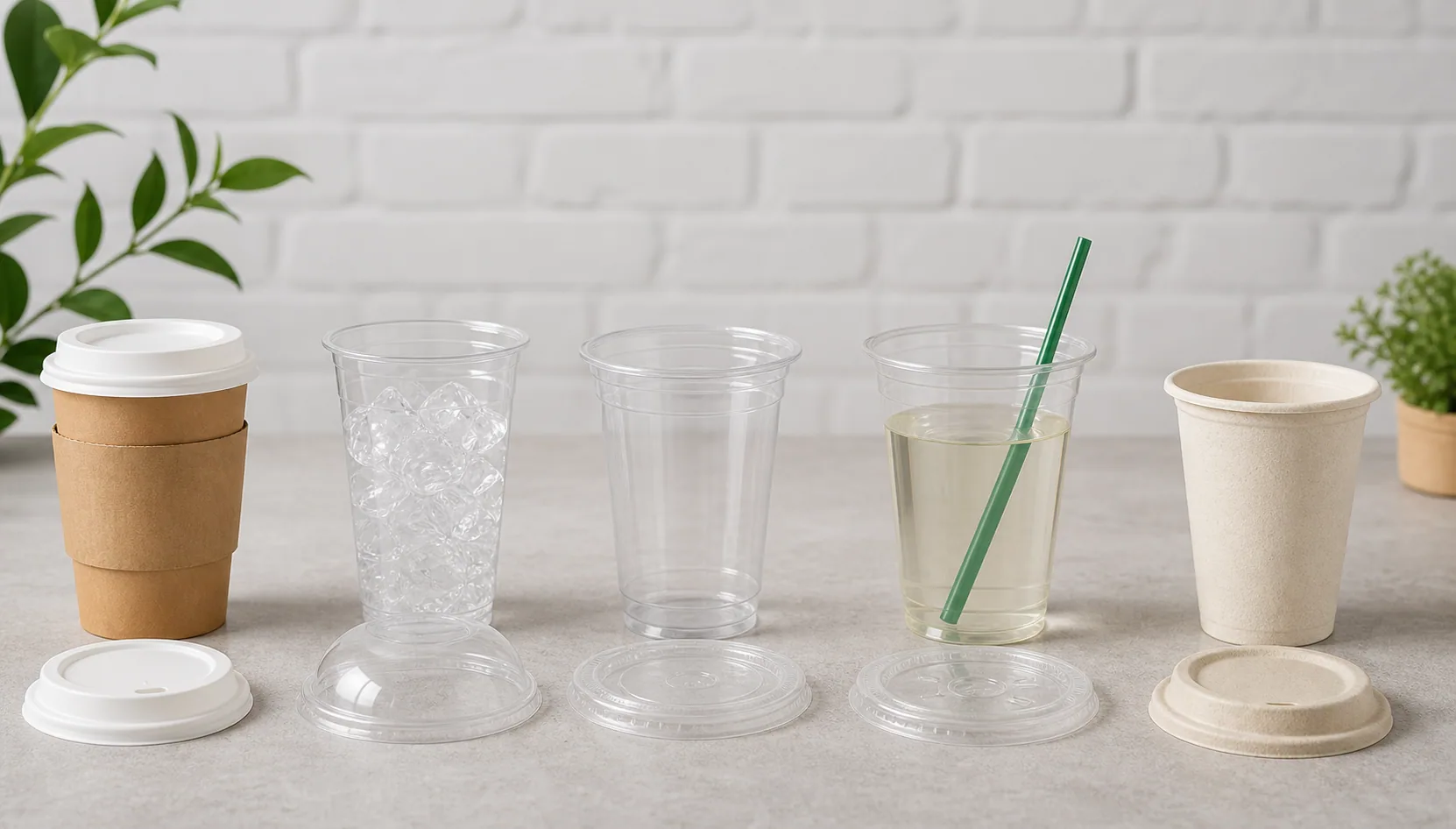
Paper, PLA, PP, PET and molded-fiber cups suit different drinks and service conditions. Cup material, temperature, clarity, lid fit, storage and evidence for environmental claims should be reviewed together.

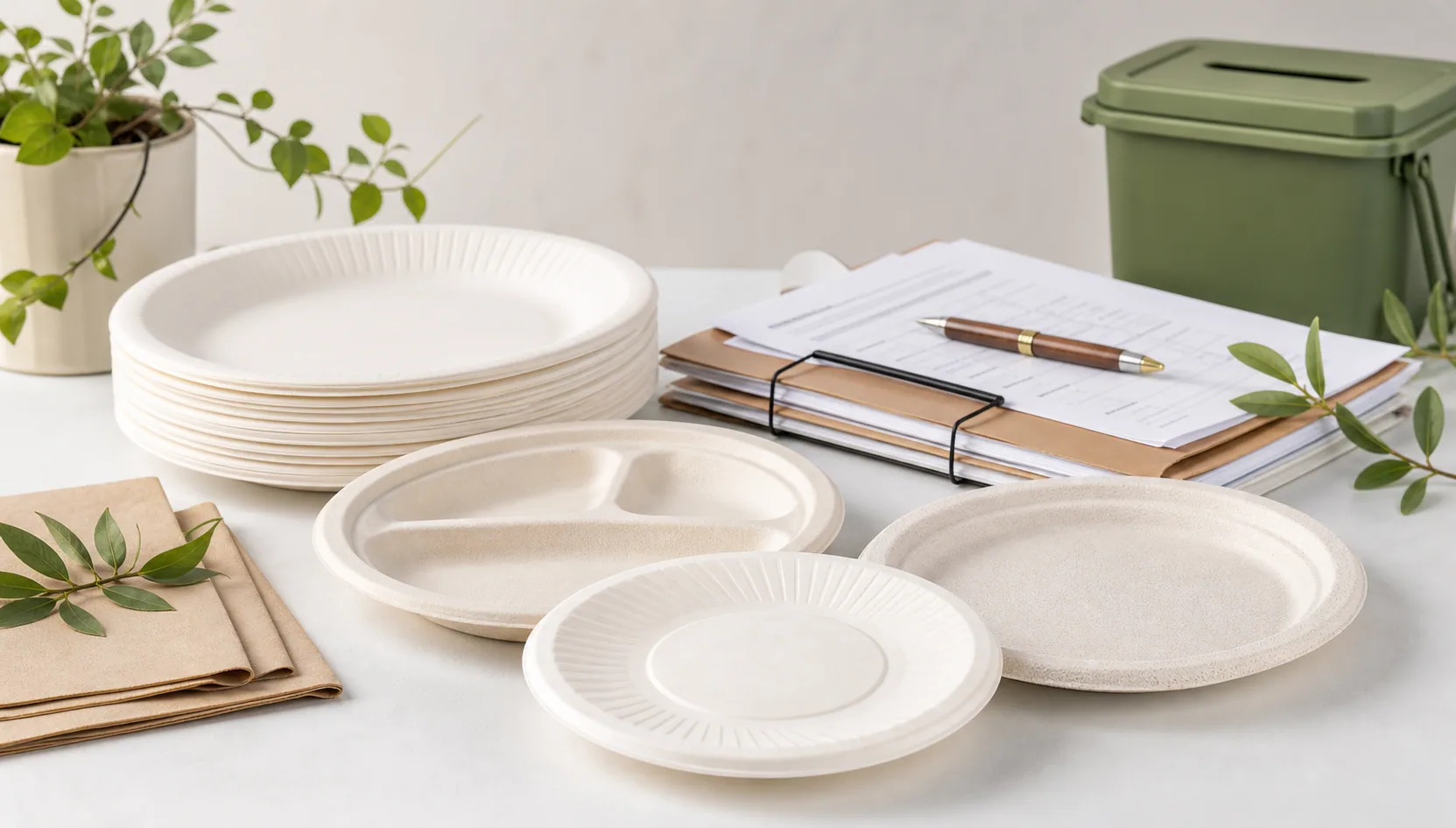
Some paper and bagasse plates may qualify for compostability claims, but fiber appearance alone proves nothing. Coatings, inks, certification scope, food residue and local facility acceptance all affect the correct end-of-life wording.

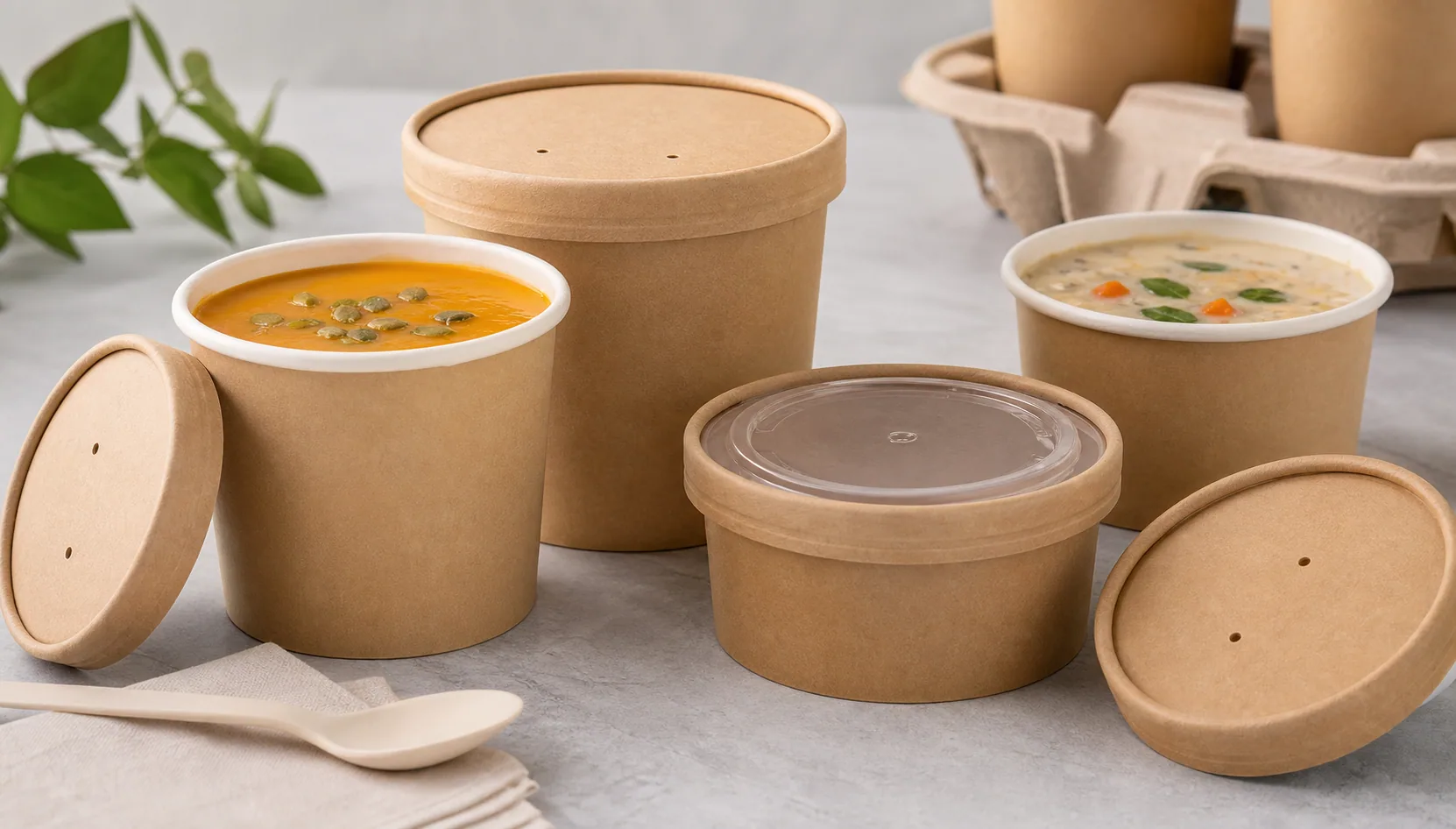
A soup bowl should be selected as a bowl-and-lid system. Soup type, fill temperature, holding time, coating, rim strength, venting and delivery movement determine whether the pack performs well.

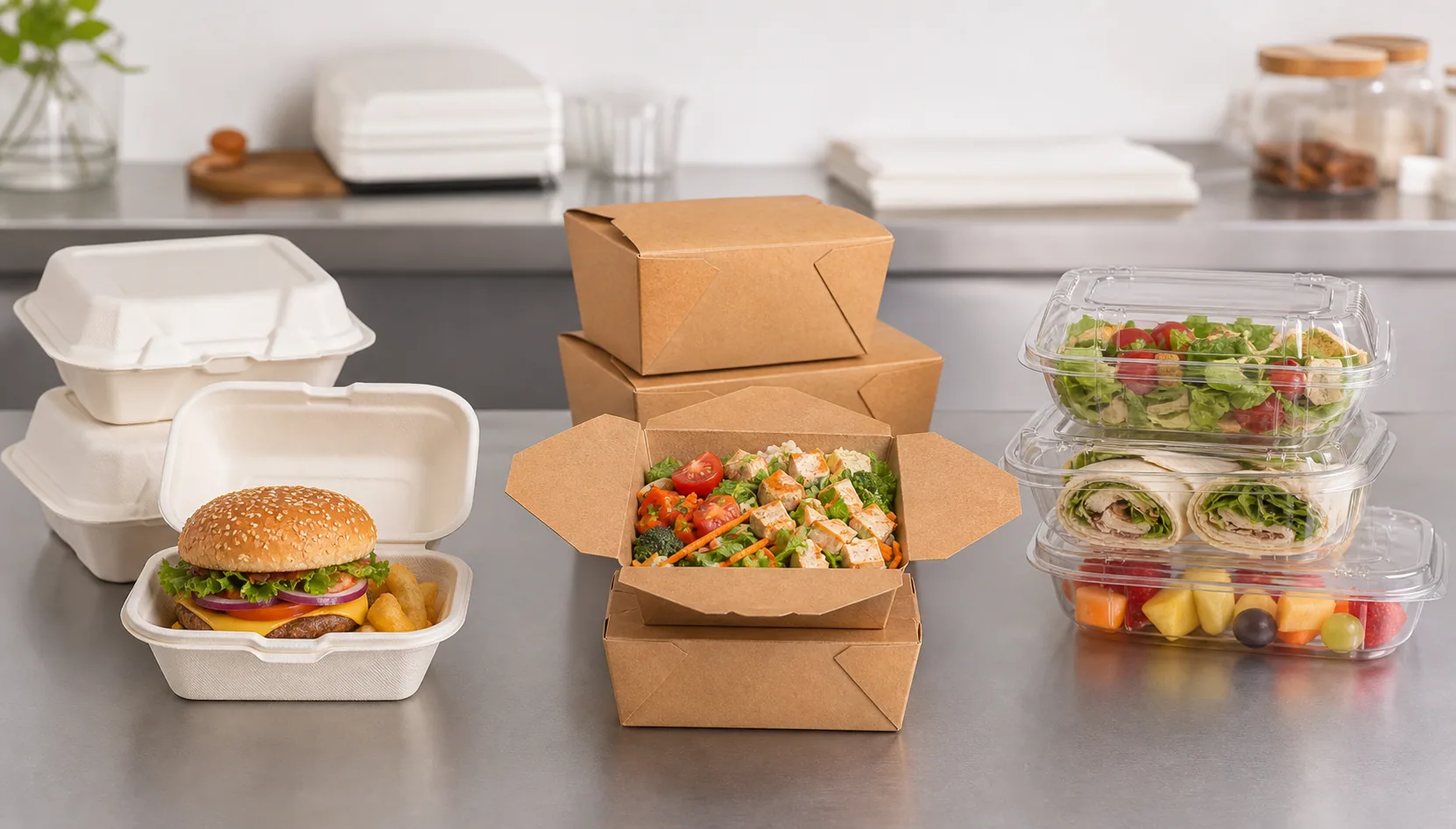
Bagasse, paperboard and PP can replace foam in different takeout programs, but no material is a universal substitute. Food type, heat, grease, delivery time, local waste systems and product evidence should drive the choice.

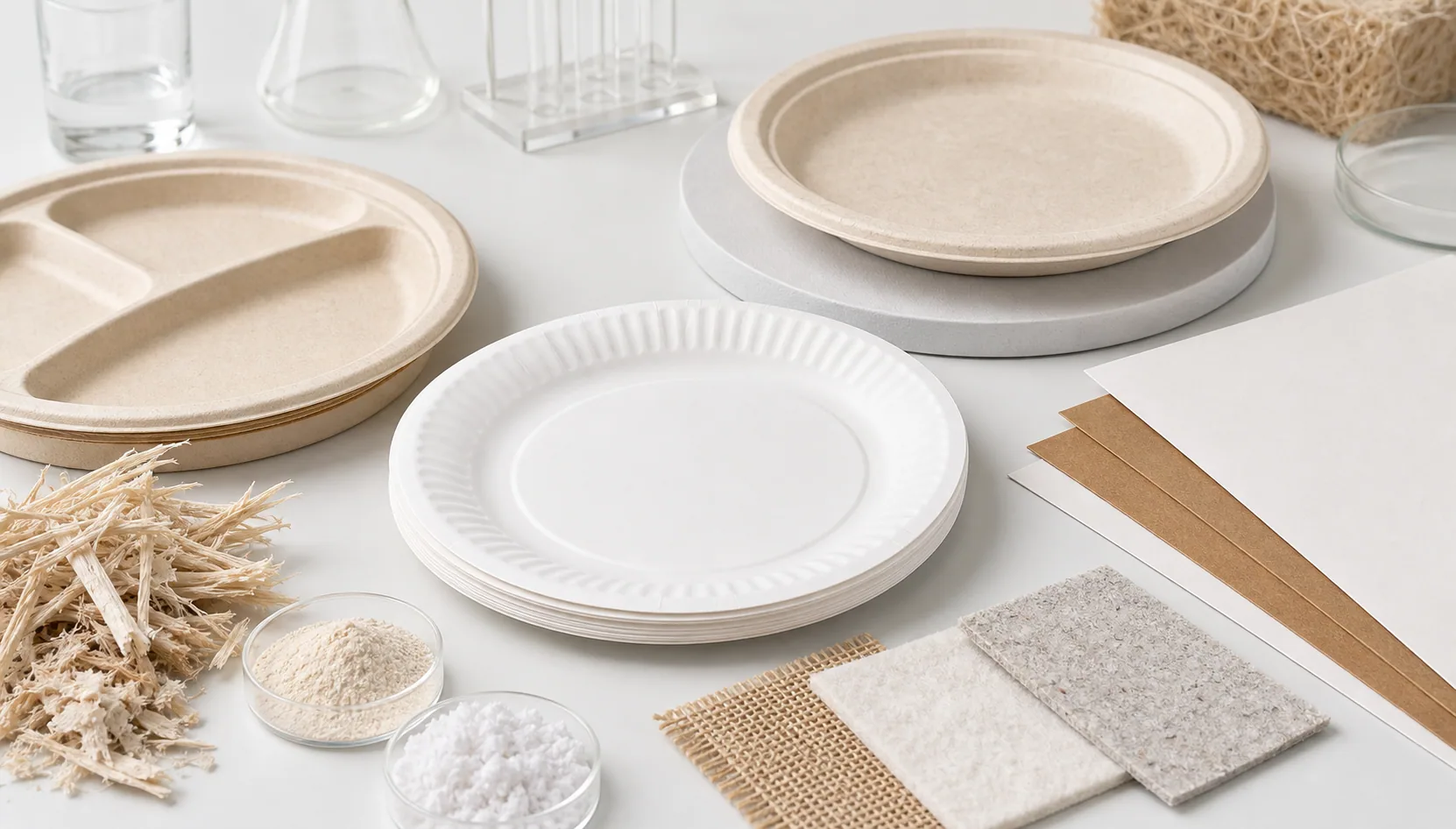
Paper plates may use paperboard, molded pulp, coatings, binders and printing inks. Construction and intended food use—not the word paper alone—determine grease resistance, food-contact review and the claims that can be supported.


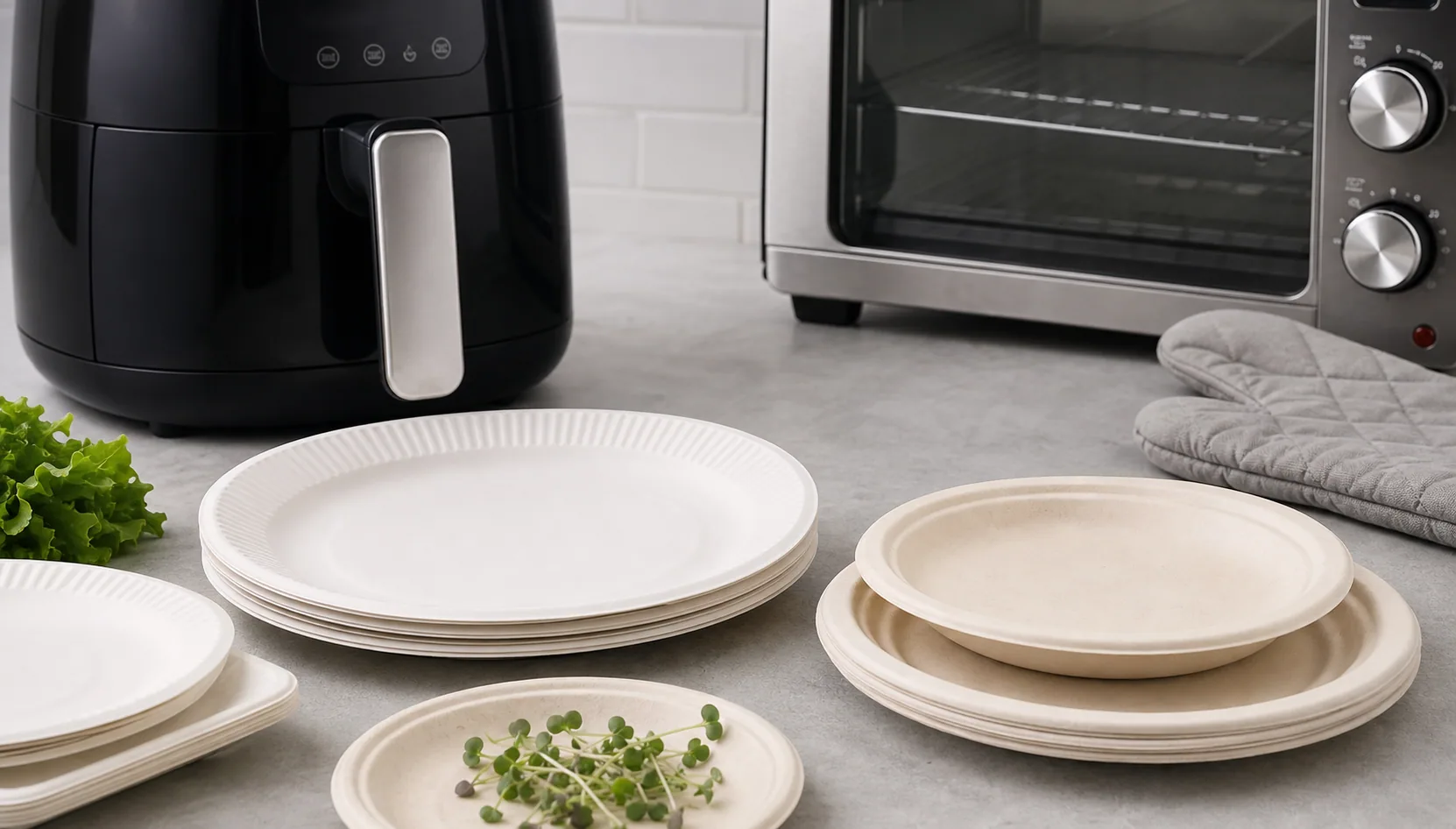
Most disposable paper and bagasse plates are serving products, not cookware. Oven or air-fryer use should appear only when the specific plate is designed, labeled and documented for that appliance and condition.


Cardboard is a broad construction term, not a microwave rating. Microwave use depends on the complete container, coating, ink, adhesive, lid, food type, heating time and the instructions supplied for the product.

Get the latest articles on sustainable tableware, industry trends, and eco-friendly solutions delivered to your inbox.
No spam, unsubscribe at any time.