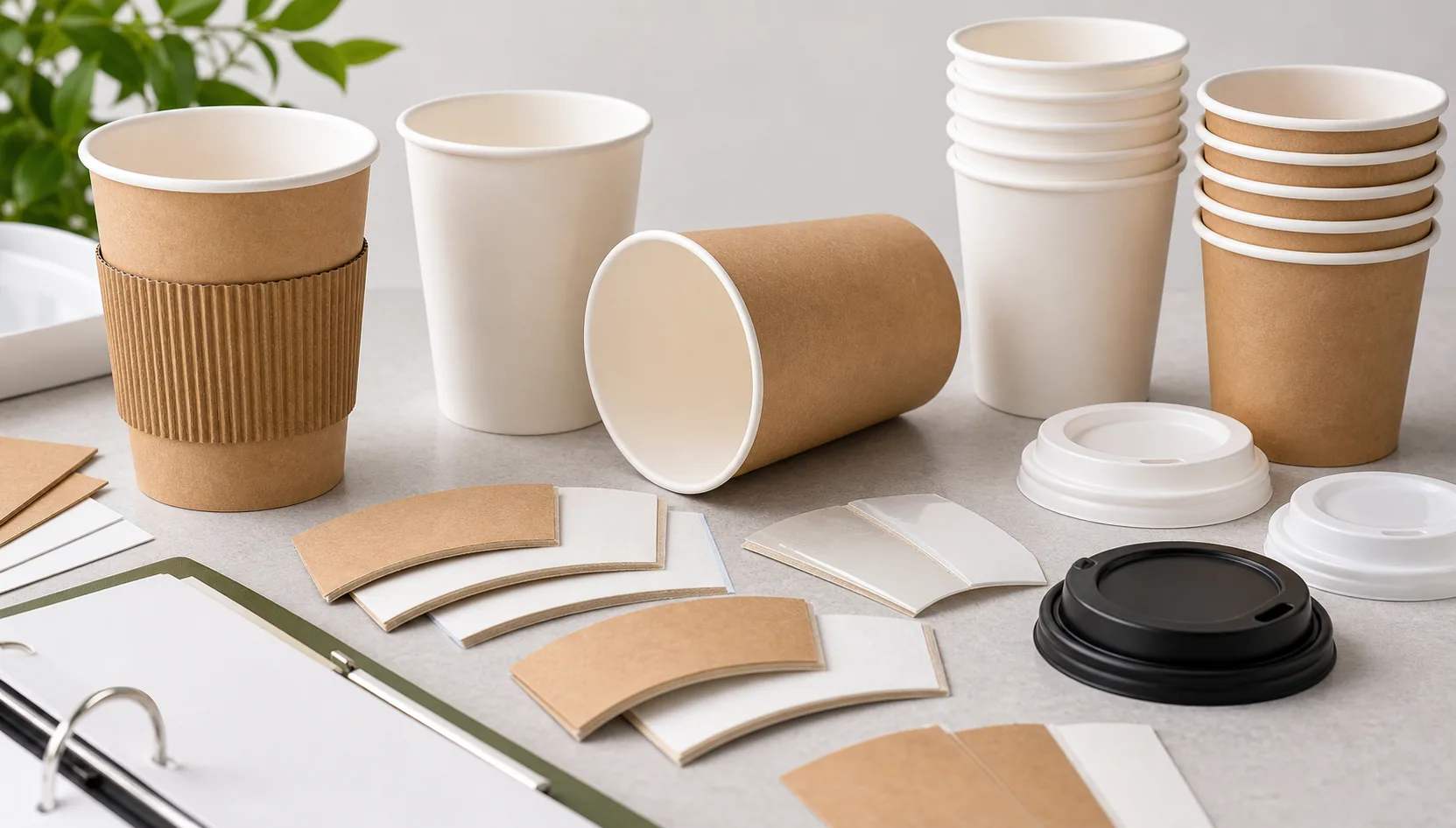

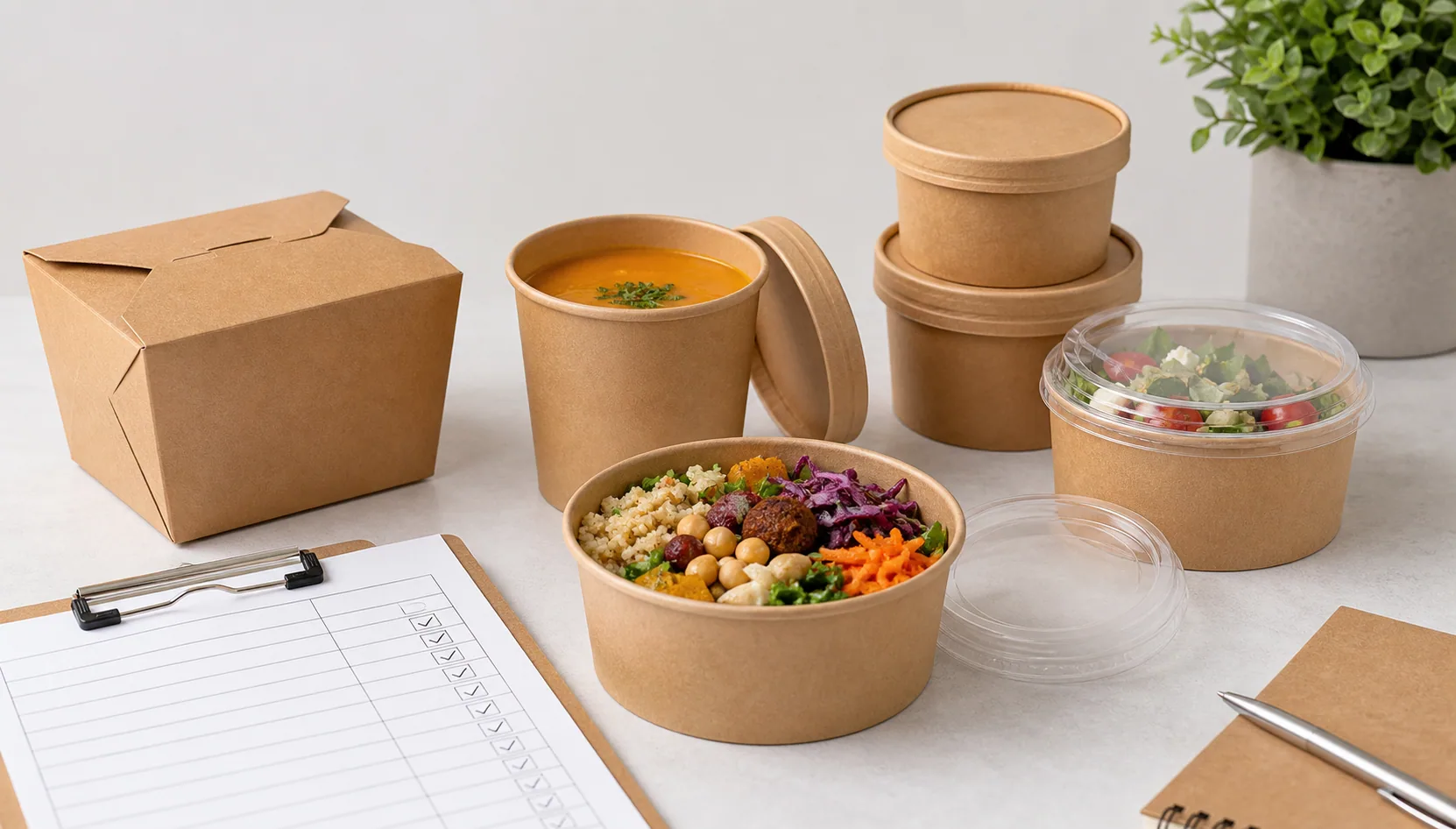
“Cardboard” is not a microwave rating. A kraft food box, coated paper bowl and printed paperboard tray may all be called cardboard in conversation, yet they can be built for very different uses.
Microwave suitability belongs to the complete container and its instructions, including the coating, adhesive, print, lid, food type and heating condition.
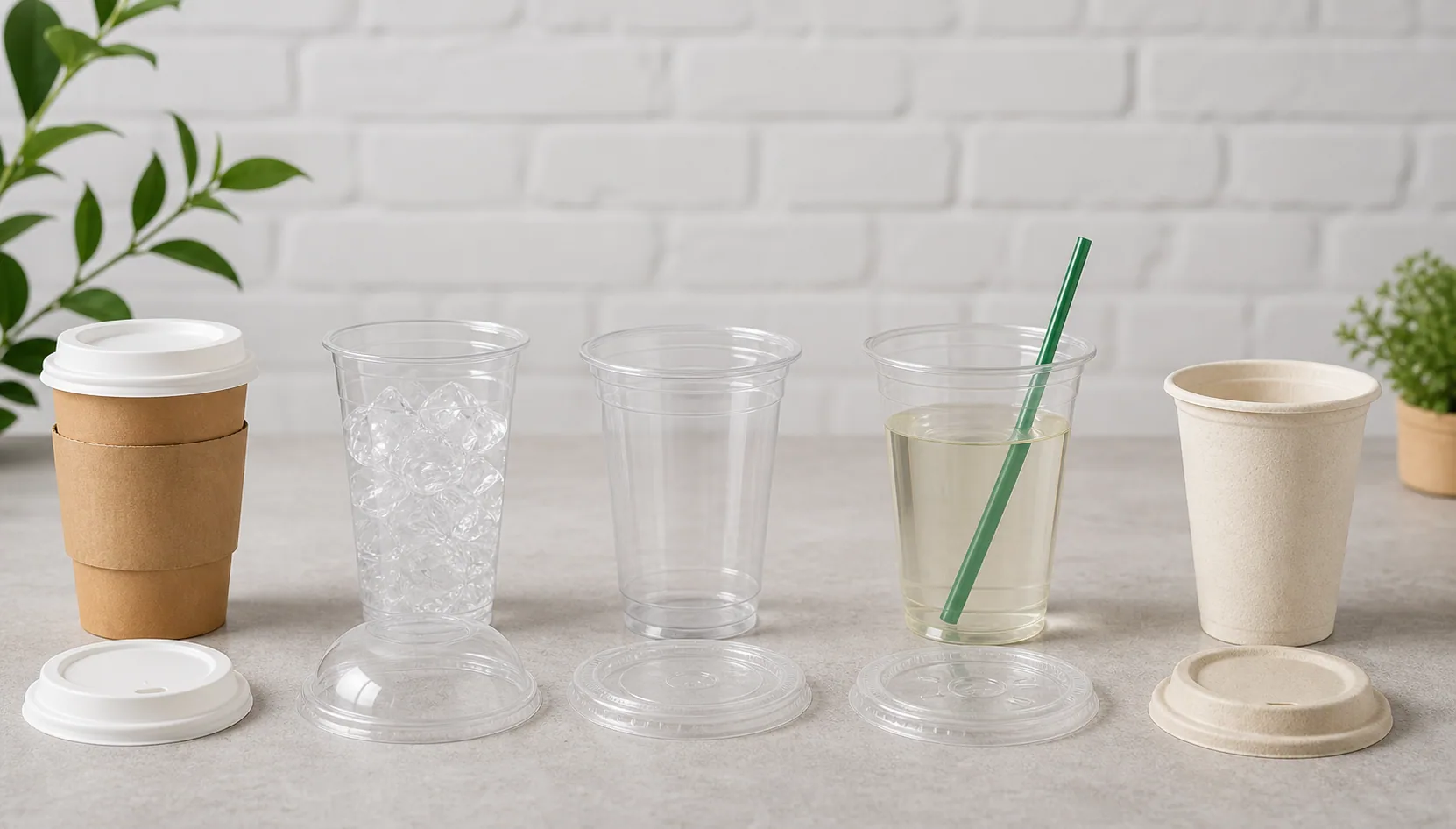
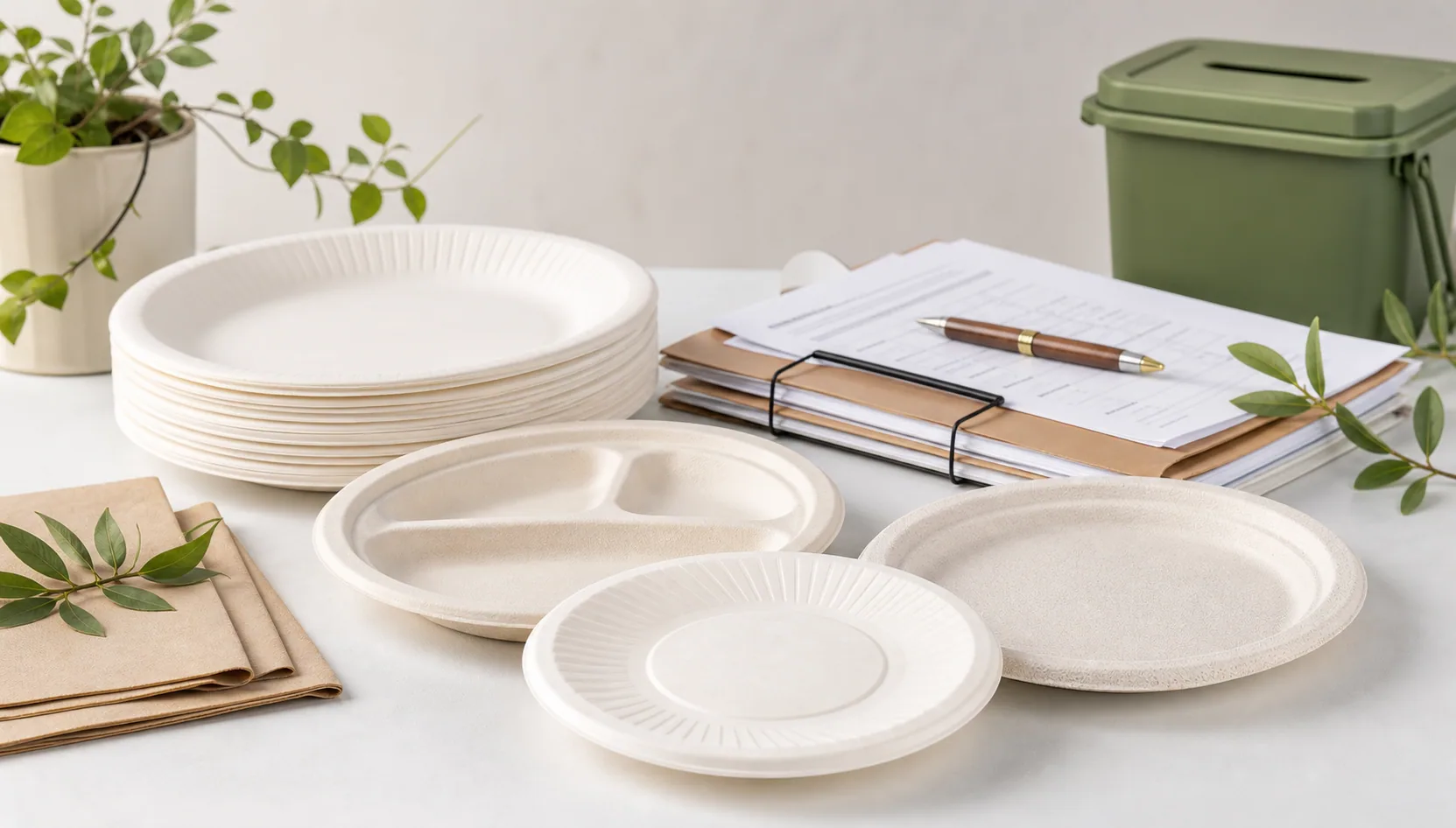
TOGO's paper food container collection and paper soup container range include several structures and lid systems. Microwave wording should follow the selected item, not the category name.
Cardboard Describes Structure, Not Microwave Suitability
Cardboard microwave safety means that a complete food package is suitable for the intended microwave use condition. It is not a general material nickname. A plain paperboard tray, a coated soup cup, a printed takeout box and a package with a plastic lid may behave differently.
Use Only Containers Approved for Microwave Use
Cardboard can sometimes be used in a microwave, but only when the complete food package is designed, labeled or documented for that use. Do not microwave packaging with metal parts, foil lining, unknown coatings, heavy printing, non-microwave lids or unclear use instructions.
The FDA explains that microwaves pass through materials such as glass, paper and some plastics while food absorbs the energy and heats up (FDA Microwave Ovens). That does not mean every paperboard food package is suitable for every microwave condition.
Packaging type | Microwave review note | Note |
|---|---|---|
Plain paperboard | May tolerate short reheating if intended for it | Confirm specific item use condition |
Coated paper bowl or cup | Coating and food type matter | Check document and label language |
Kraft food box | Printing, glue and coating matter | Do not assume without confirmation for that specific item |
Plastic lid | Often separate from container | Confirm lid material and label |
Metal handle or foil detail | Not microwave suitable | Remove from microwave discussion |
Food Type and Heating Time Change the Load
Microwave heating is not only about the container. Oil, sugar, low-moisture foods and dense sauces can create hot spots. Soup and water-rich foods heat differently from fries or oily meals. The FDA's Food Types & Conditions of Use reference is a useful anchor for explaining why packaging use should be discussed by food type and temperature condition.
When you compare TOGO's Kraft Paper Soup Container with Vented Lid and 32oz Kraft Paper Food Container and Lid Combo, keep the microwave question specific to that product. The container, lid and food type need to line up before you put microwave wording on a product page or quotation.
Read the Label and Test the Filled Container
For a product page or your quotation, microwave-related wording should be tied to product reference testing, available documents and the intended use condition. When approval is not available for a defined microwave condition, use conditional guidance: “confirm microwave guidance for that specific item before reheating.”
Avoid broad phrases such as “microwave-safe cardboard containers” unless the statement is supported for the product and market.
Review the Container, Lid and Food Together
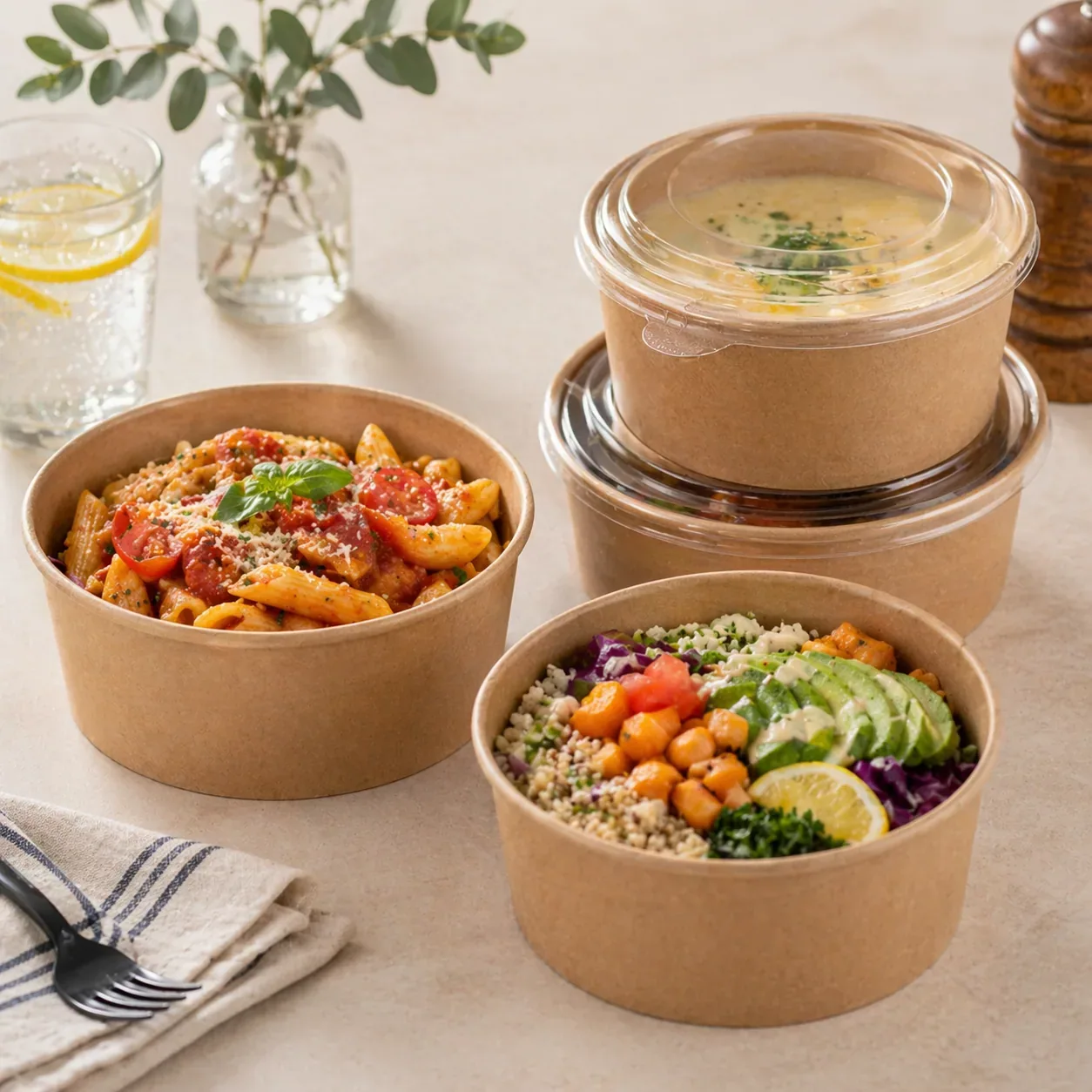
The microwave question should be split into three parts: the container, the lid and the food. A 32 oz kraft paper food container may be useful for takeaway meals, but any microwave wording still needs to be checked against the specific item and use condition.
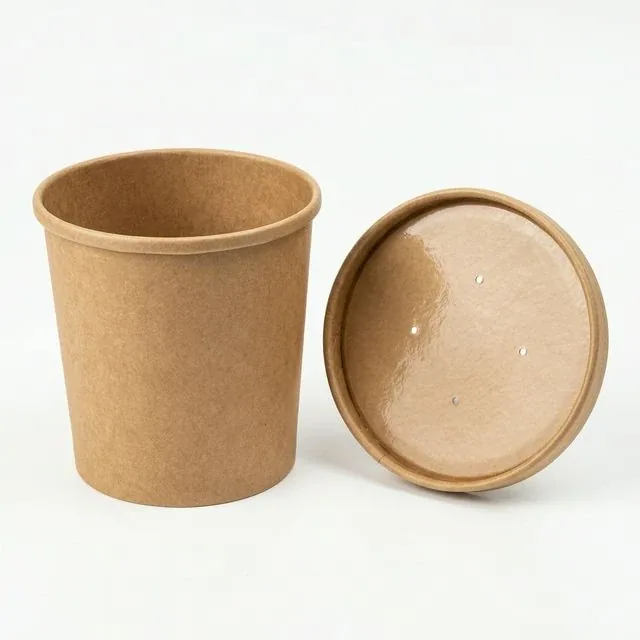
The same discipline applies to round paper bowls. A bowl used for soup, rice or oily food may face different heat patterns, so the material name by itself is not enough for a claim.
Microwave wording level | When it may be reasonable | What you still need to check |
|---|---|---|
No microwave statement | Product has no confirmed microwave guidance | Do not claim microwave use without supporting evidence |
Conditional guidance | You have use-condition guidance for the container | Lid, food type and heating expectation |
Label-based wording | Product label or documents support the use | Whether the label covers your market |
Product-specific statement | Documents for the specific item are available | Specific item, coating, print and lid |
Broad material statement | Avoid this wording | Paperboard or cardboard is not enough |
This approach keeps the wording useful without promising more than the package can support. It also helps your sales page avoid a vague "microwave safe" phrase when the real question is narrower.
One final check is customer wording. If your package page, label or menu note uses reheating language, keep it tied to the exact container and lid set. That small wording discipline prevents a general cardboard question from turning into an unsupported claim.
What TOGO Needs to Review Microwave Use
For an accurate quote, include food type, portion size, expected reheating time, lid use, material preference, label wording requirement, where you plan to sell or use it and whether microwave use must appear on the packaging. TOGO can review available product options and supporting documents before the quotation is finalized.
FAQ
Can you microwave cardboard takeout boxes?
Only if the exact box is intended and labeled for microwave use. Remove or avoid boxes with metal, foil, heavy unknown coating or unclear materials.
Can you microwave kraft paper soup containers?
Treat this as a question about that specific item. Confirm the container and lid separately.
Does FDA say all paper is microwave-safe?
No. FDA's microwave page explains how microwaves interact with materials and food; it does not certify every paperboard package.
Should the plastic lid stay on?
Only if the lid is documented for the intended microwave use. Many lids should be removed or vented according to product guidance.