Here's a question that trips people up: how many cups is 20 oz? The math is simple - 20 fluid ounces equals 2.5 cups. But if you've ever ordered a Venti at Starbucks, you might have noticed something weird. The hot Venti is 20 oz, but the cold Venti is 24 oz. What's going on?
The answer has everything to do with ice, and it's actually pretty clever when you think about it.
The Ice Factor
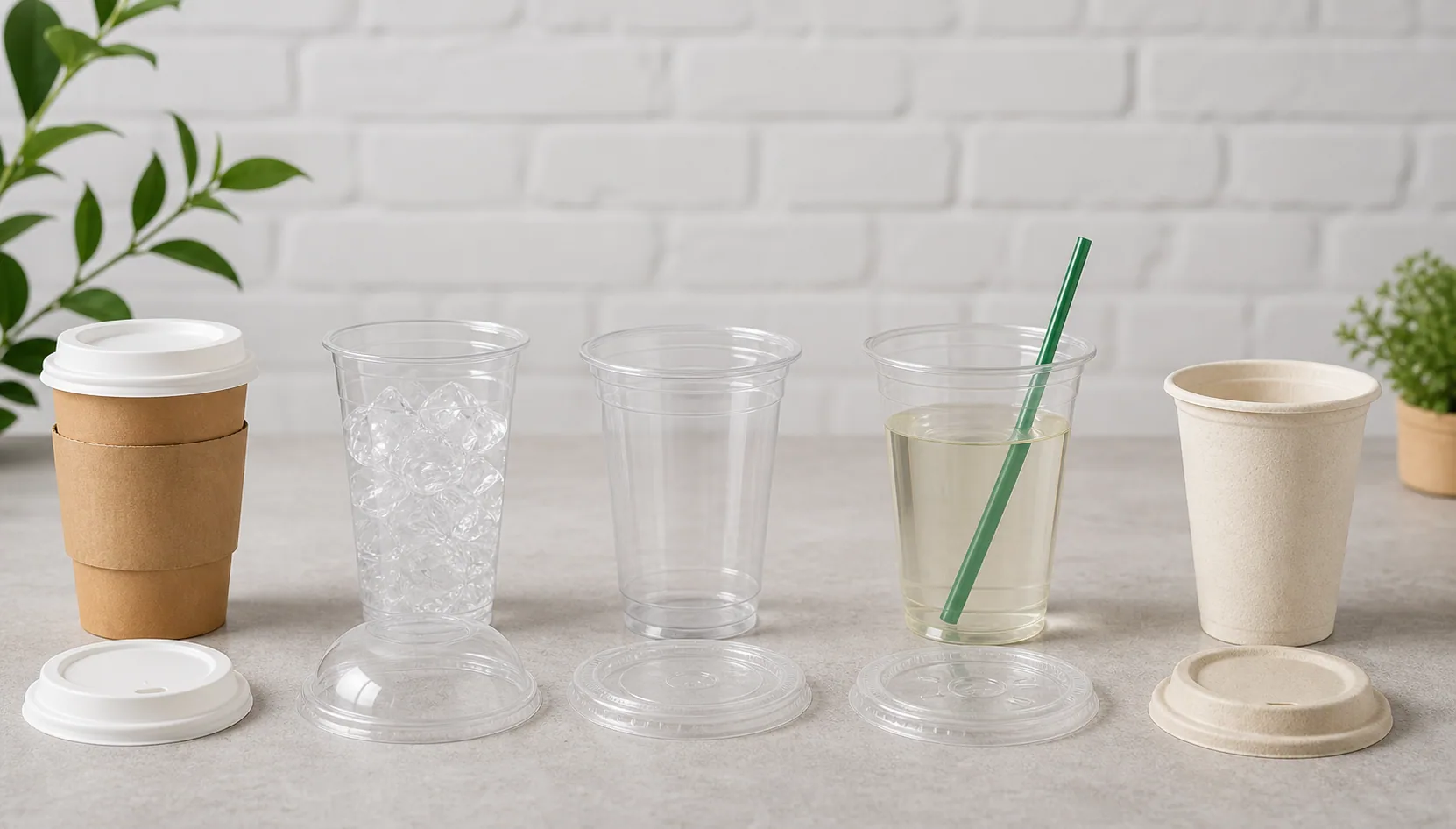
When you order a hot 20 oz latte, you're getting 20 oz of actual drink. But when you order a 20 oz iced coffee, you're not getting 20 oz of coffee. You're getting maybe 12 oz of coffee and 8 oz of ice. That's a huge difference.
This is why Starbucks made their cold Venti 24 oz instead of 20 oz. They wanted customers to get roughly the same amount of actual beverage whether they ordered hot or cold. So a 20 oz hot drink and a 24 oz cold drink both give you about the same amount of liquid to actually drink.
But here's the thing - not every coffee shop does this. Some places use 20 oz for both hot and cold drinks, which means their iced drinks have less actual beverage. If you're running a café and trying to figure out your cup sizes, this is worth thinking about. Are you giving customers enough actual drink after the ice goes in?
Why 20 oz Became the Standard
Starbucks didn't invent the 20 oz size, but they definitely popularized it. The word "Venti" is Italian for twenty, and when they introduced it in the 1990s, it was meant to be the large size. Before that, most coffee shops topped out at 16 oz.
The 20 oz size works because it's big enough to feel substantial without being ridiculous. A 20 oz hot latte stays warm long enough to finish it, but not so long that the last few sips are cold. It's also about as much caffeine as most people want in one sitting. Go much bigger and you're looking at jittery hands and a racing heart.
For cold drinks, 20 oz is actually on the smaller side now. Walk into any convenience store and you'll see 24 oz, 32 oz, even 44 oz fountain drinks. But for coffee shops and cafés, 20 oz hits a sweet spot between "I'm getting my money's worth" and "this is a reasonable amount of liquid to consume."
Measuring 20 oz in Real Life
If you're cooking or baking and a recipe calls for 20 oz of liquid, you need 2.5 cups. Fill a measuring cup to the 2 cup line, then add another half cup. Or if your measuring cup goes to 16 oz, fill it once and then add 4 more oz.
For dry ingredients, it gets trickier. 20 ounces by weight doesn't equal 2.5 cups by volume unless you're measuring something with the same density as water. Here's a quick reference:
Ingredient | 20 oz by Weight | Volume in Cups |
|---|---|---|
Water | 20 fl oz | 2.5 cups |
All-Purpose Flour | 20 oz | ~4.5 cups |
Granulated Sugar | 20 oz | ~2.5 cups |
Brown Sugar (packed) | 20 oz | ~2.8 cups |
Powdered Sugar | 20 oz | ~5 cups |
Rice (uncooked) | 20 oz | ~2.2 cups |
Butter | 20 oz | 2.5 cups |
This is why bakers use scales instead of measuring cups - the conversion from weight to volume varies dramatically by ingredient.
Where 20 oz Shows Up
Beyond coffee shops, 20 oz is a common size for bottled drinks. Sports drinks, iced teas, and sodas often come in 20 oz bottles. It's bigger than a can (12 oz) but smaller than the big bottles (32 oz or more). It's a single-serving size that feels generous without being wasteful.
Here's how 20 oz compares to other common drink sizes:
Size | Ounces | Cups | Common Use |
|---|---|---|---|
Tall | 12 oz | 1.5 cups | Small coffee, kids' drinks |
Grande | 16 oz | 2 cups | Standard large coffee |
Venti Hot | 20 oz | 2.5 cups | Large hot beverages |
Venti Cold | 24 oz | 3 cups | Large iced drinks (with ice) |
Trenta | 30 oz | 3.75 cups | Extra large cold drinks |
In food service, 20 oz containers work well for soups and stews. It's a hearty portion - enough to be a full meal. You'll also see 20 oz bowls for salads, grain bowls, and pasta dishes. It's that zone where the portion is satisfying but not overwhelming.
The Business Angle
If you're running a coffee shop or restaurant, the 20 oz size is worth considering carefully. For hot drinks, it's your large size. It uses more ingredients than a 16 oz, but you can charge proportionally more. The profit margin is usually pretty good.
For cold drinks, you need to decide: are you going with 20 oz or 24 oz? If you go with 20 oz, you're saving on cup costs, but customers might feel like they're not getting enough drink after the ice. If you go with 24 oz, you're using bigger cups, but customers feel like they're getting a better value.
There's also the environmental angle. Smaller cups mean less waste. If you can make a 20 oz drink feel generous and satisfying, you're using less plastic or paper than competitors who default to 24 oz or larger.
Finding the Right 20 oz Containers
If you need 20 oz containers for your business, you want something that's sturdy, doesn't leak, and ideally eco-friendly. For hot foods like soup, bagasse bowls work really well. They're made from sugarcane fiber, so they're compostable, and they handle hot liquids without getting soggy or burning your hands.
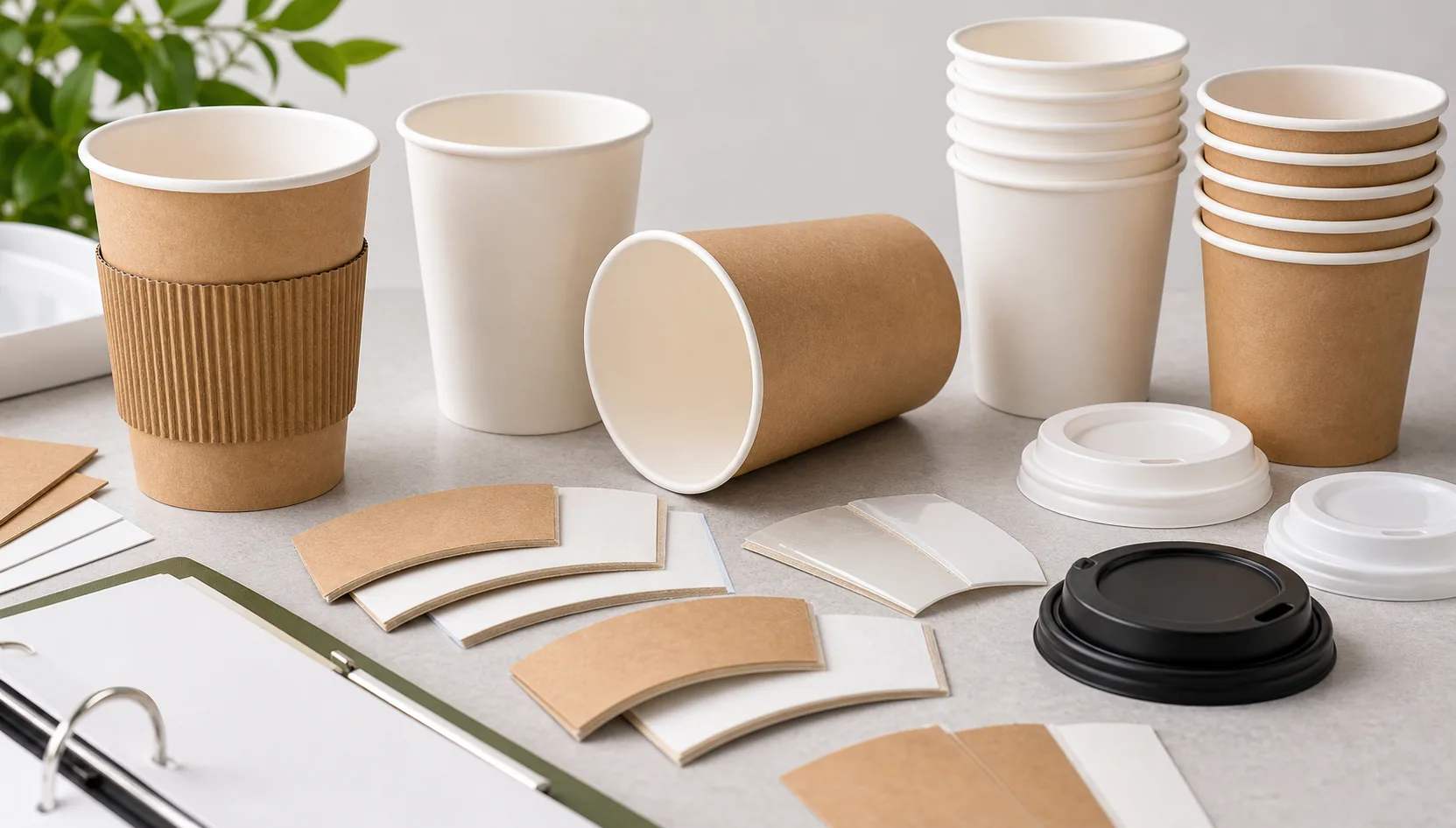
For beverages, paper cups are standard, but quality varies a lot. You want cups that don't leak, lids that actually stay on, and sleeves for hot drinks so customers don't need to double-cup. And if you're going the eco-friendly route, make sure the cups are actually compostable and not just labeled that way.
The key is testing before you commit. A cup that looks good on paper might leak with certain drinks, or the lid might not fit right, or it might feel flimsy when customers pick it up. Get samples and test them with your actual products.
Looking for Quality 20 oz Containers?
We work with cafés and restaurants to find packaging that actually works - not just the cheapest option, but containers that won't leak, that customers feel good about using, and that hold up during delivery.
Our bagasse bowls handle hot soup without falling apart, and they're microwave-safe if customers want to reheat. For beverages, we've got paper cups with lids that actually seal and kraft sleeves that make hot drinks comfortable to hold. Everything is FDA compliant and PFAS-free - no forever chemicals touching your food.
We know you need to test before committing to a bulk order. That's why we send free samples. Tell us what you're serving - soup, coffee, cold drinks, whatever - and we'll send you samples so you can see how they work with your actual products. Reach out through our contact page and let us know what you need. We'll help you find something that works.
Common Questions About 20 oz
Is 20 oz the same as 2.5 cups?
Yes, exactly. 20 fluid ounces equals 2.5 cups, which is 2 and 1/2 cups. This is for liquid measurements.
Why is Venti hot 20 oz but Venti cold 24 oz?
The cold Venti is bigger to account for ice. A 24 oz cup filled with ice gives you about the same amount of actual beverage as a 20 oz hot drink. It's about making sure customers get the same value whether they order hot or cold.
How many 20 oz bottles make a gallon?
6.4 bottles. A gallon is 128 oz, so 128 divided by 20 is 6.4. In practical terms, that's six full bottles plus a little extra.
Is 20 oz a good size for iced coffee?
It depends on how much ice you use. With a typical amount of ice (about 40% of the cup), a 20 oz cup gives you 12-14 oz of actual coffee. That's a decent amount, but some people prefer 24 oz for cold drinks so they get more actual beverage.
Can I use a 20 oz container for soup?
Absolutely. 20 oz is a generous single-serving size for soup. It's enough to be a full meal without being too much. Just make sure the container can handle hot liquids without getting soggy.
What's bigger: 20 oz or a pint?
20 oz is bigger. A US pint is 16 oz, so 20 oz is 25% more than a pint. In the UK, a pint is 20 oz, so they're the same.
How do I measure 20 oz without a measuring cup?
Use a kitchen scale. 20 fluid ounces of water weighs about 20 ounces or 591 grams. For other liquids, the weight might vary slightly, but it's close enough for most purposes.
Is 20 oz too much coffee?
For most people, no. A 20 oz latte has about 2-3 shots of espresso, which is roughly 150-225 mg of caffeine. That's within the safe range for most adults. But if you're sensitive to caffeine, you might want to stick with 12 oz or 16 oz.
Why do some coffee shops use 20 oz and others use 24 oz?
It's a business decision. 20 oz uses less material and ingredients, which saves money. 24 oz feels more generous to customers, especially for cold drinks. Some shops use 20 oz for hot and 24 oz for cold to balance both factors.
Can I freeze liquids in a 20 oz container?
Yes, but leave some room at the top. Liquids expand when they freeze, so if you fill a 20 oz container all the way, it might crack or the lid might pop off. Leave about an inch of space at the top.