
Quick Answer: 300 ml Equals 10.14 fl oz
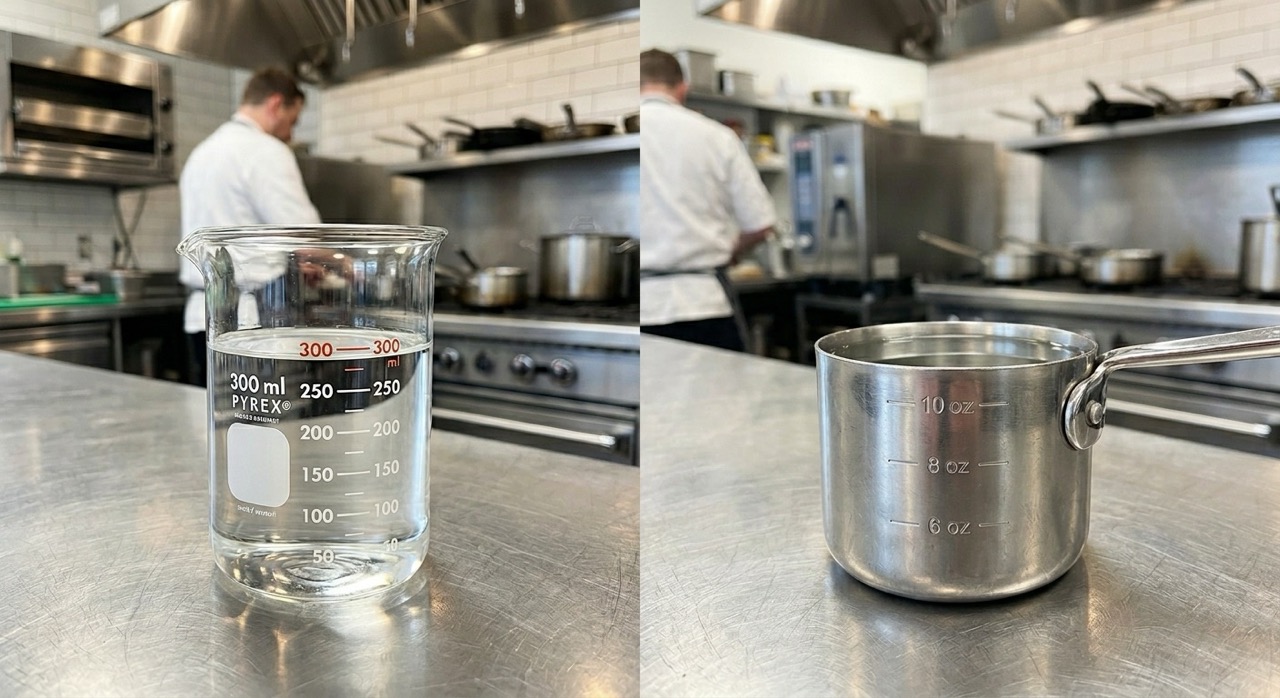
300 ml equals about 10.14 US fluid ounces, or about 1.27 US cups. In packaging work, 300 ml is close to a 10 oz serving but may be quoted differently depending on whether the supplier lists brimful capacity, recommended fill line, or labeled serving volume.
| Metric volume | US fluid ounces | US cups | Packaging note |
|---|---|---|---|
| 300 ml | 10.14 fl oz | 1.27 cups | Compare with 10 oz and 12 oz formats |
| 240 ml | 8.12 fl oz | 1.01 cups | Close to an 8 oz cup |
| 350 ml | 11.83 fl oz | 1.48 cups | Often reviewed near 12 oz formats |
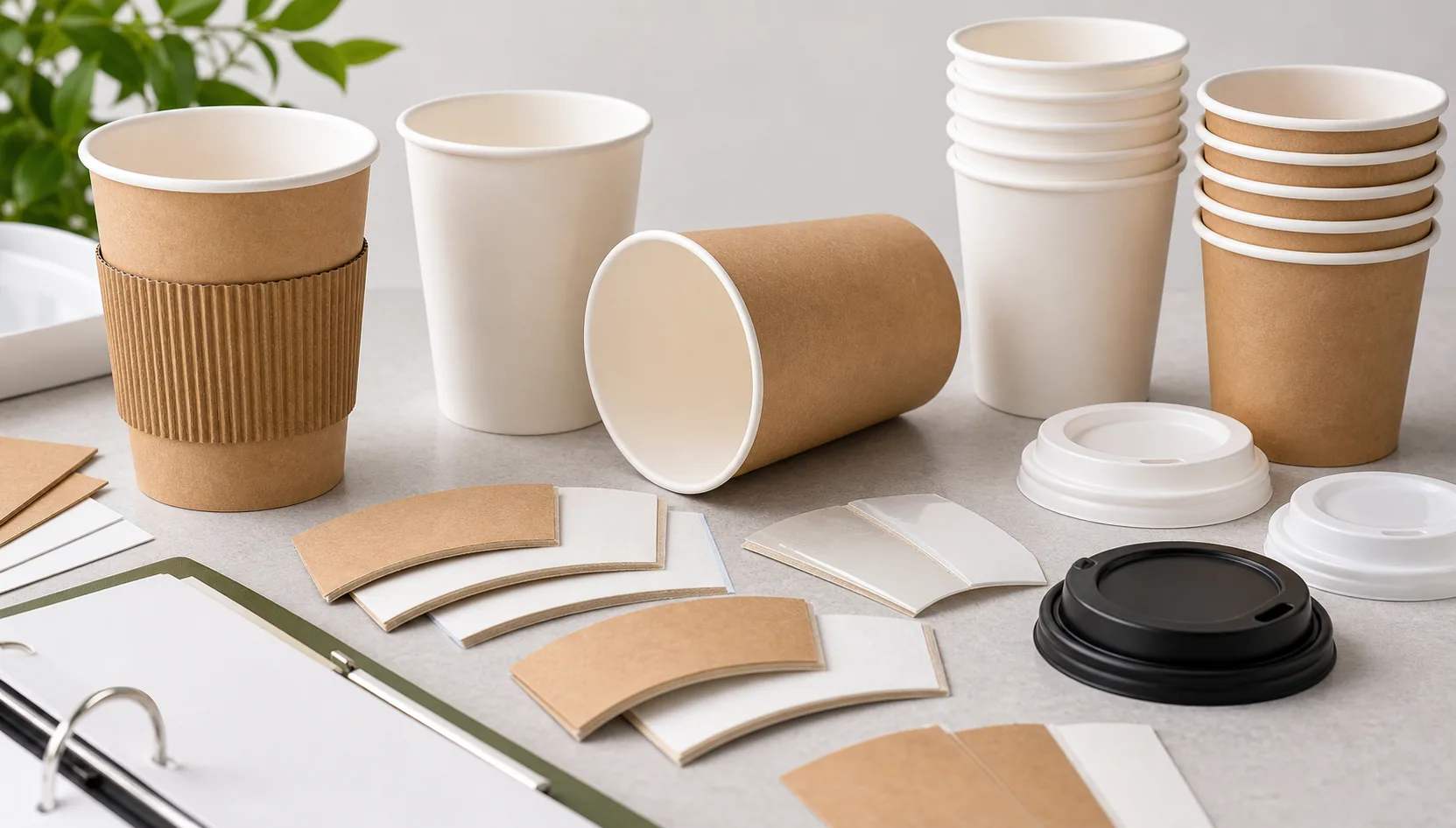
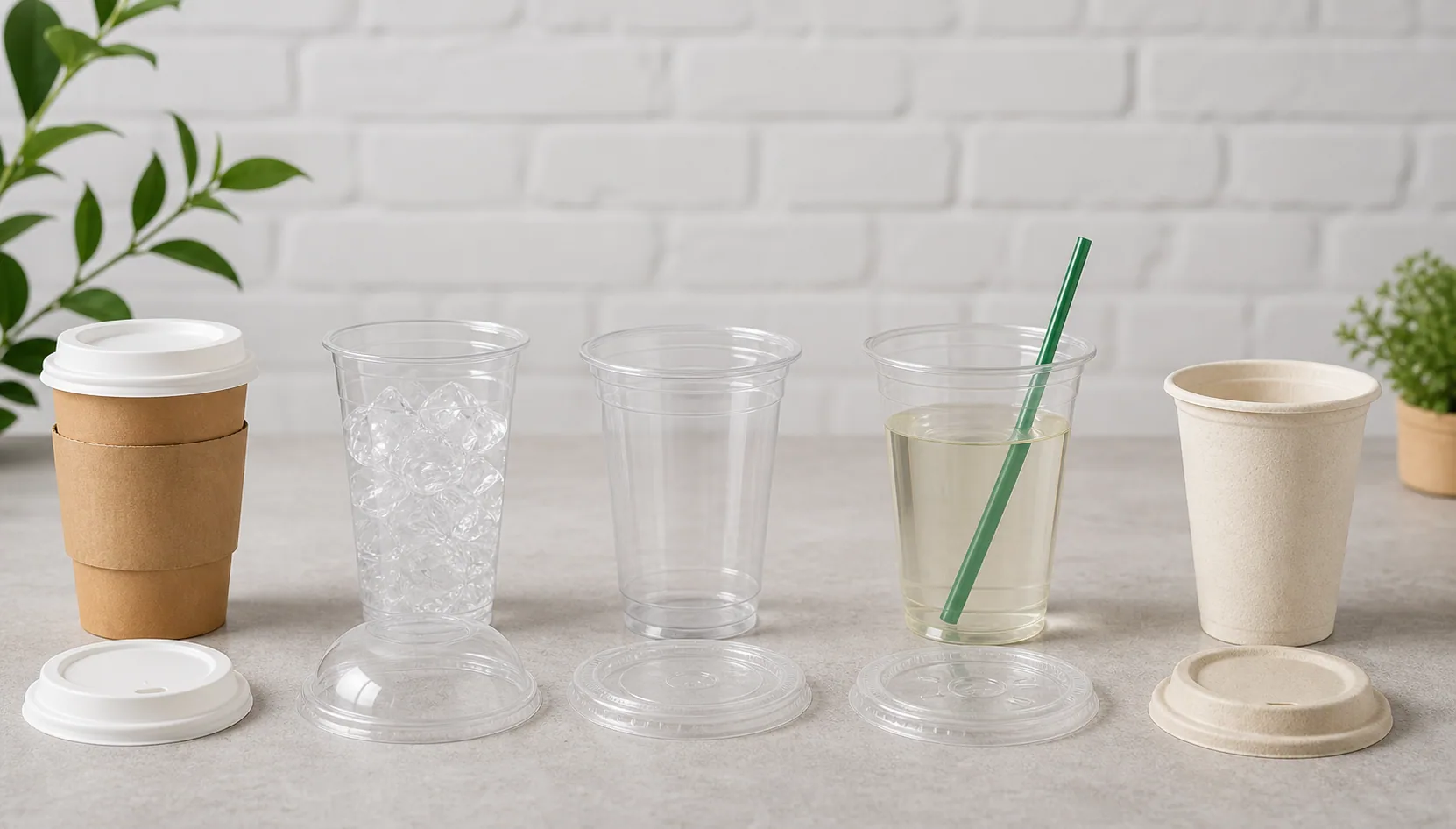
For beverage and takeaway programs, TOGO can help compare a 300 ml requirement against nearby product families such as paper cups, bagasse cups, paper soup containers, paper bowls with lids, and matching cup lids. Capacity should be checked together with lid fit, recommended fill line, carton packing, hot or cold use, and sample performance before bulk orders.
Have you ever imported food packaging from overseas or tried to follow a European baking recipe, only to realize everything is written in milliliters (ml)?
Unlike the United States, most export packaging specifications use metric capacity. For cafés, meal-prep brands, restaurants, and distributors sourcing paper containers or bagasse food containers, confusing metric volume with U.S. fluid ounces can change portion cost, menu fit, lid choice, and the size buyers approve for takeaway service.
Let’s break down the most common metric conversions you need to know in the food and beverage industry, without the complex math.
How Many Ounces is 300 ml?
If you are staring at a beverage container labeled 300 ml, it holds 10.14 U.S. fluid ounces.
To put that volume into everyday perspective, it is slightly smaller than a standard U.S. soda can (which is 12 oz). In terms of measuring cups, 300 ml to cups is basically 1.25 cups (or 1 ¼ cups).
Common Industry Uses: You will frequently see the 300 ml size used for small imported bottled juices, specialty "flat white" takeout cups in Europe, and standard boba tea sizes in Asian markets.
350ml to Cups: How to Convert Larger Metric Sizes
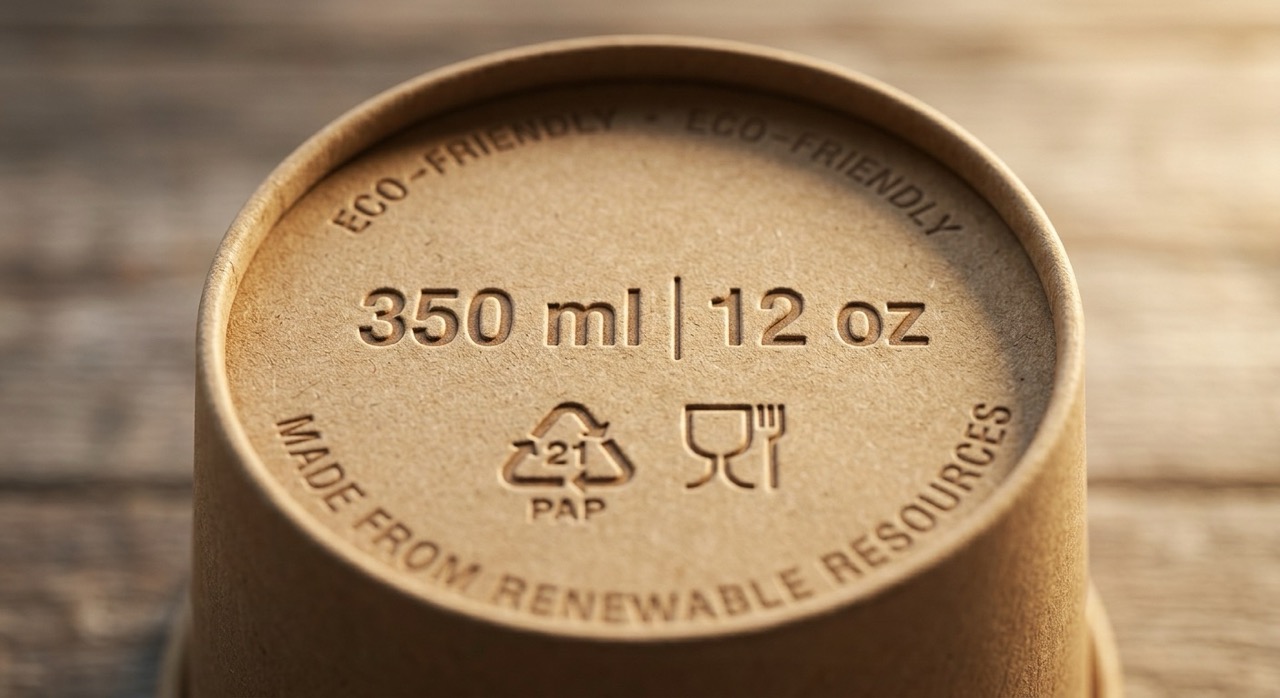
Another highly common international packaging size is 350 ml.
If you need to know 350ml to cups, it translates to exactly 1.48 U.S. cups. For all practical culinary and serving purposes in a fast-paced kitchen, you can safely round this up to 1.5 cups.
Why it matters: In fluid ounces, 350 ml is equivalent to 11.83 oz. This makes it the virtually identical metric cousin to the standard U.S. "Tall" or 12 oz coffee cup. If you accidentally order 350ml cups from an international supplier instead of 12 oz cups, your U.S. customers will never notice the 0.17 oz difference.
240 ml to Oz: Why This is the Magic Baking Number
If you only memorize one metric conversion today, make sure it is this one: 240 ml equals 8.11 U.S. fluid ounces.
Why is this specific number so important? Because 8 fluid ounces is the exact measurement of 1 standard U.S. measuring cup. Therefore, anytime an international recipe calls for 240 ml of milk, water, or broth, you can confidently drop the calculator and just use 1 full U.S. liquid measuring cup.
Quick Reference: Metric to U.S. Ounces Chart
To save your kitchen staff time, here is a cheat sheet you can print and tape to the fridge. It covers the most common metric milestones in food service:
Metric Measurement (ml) | U.S. Fluid Ounces (fl oz) | U.S. Cups |
|---|---|---|
240 ml | 8.11 oz | ~ 1.0 Cup |
250 ml (Metric Cup) | 8.45 oz | ~ 1.05 Cups |
300 ml | 10.14 oz | ~ 1.25 Cups |
350 ml | 11.83 oz | ~ 1.5 Cups |
500 ml (Standard Bottle) | 16.91 oz | ~ 2.1 Cups |
How TOGO Supports Capacity Matching
TOGO supports wholesale projects by matching requested ml/oz capacity to available paper cup, paper container, bagasse cup, bowl, and lid routes. Share the target fill volume, food or drink type, hot or cold use, lid style, coating preference, destination market, and estimated quantity; TOGO can recommend nearby stock molds and prepare samples before a bulk order is confirmed.
Buyer Note: Metric Capacity vs Sellable Packaging Size
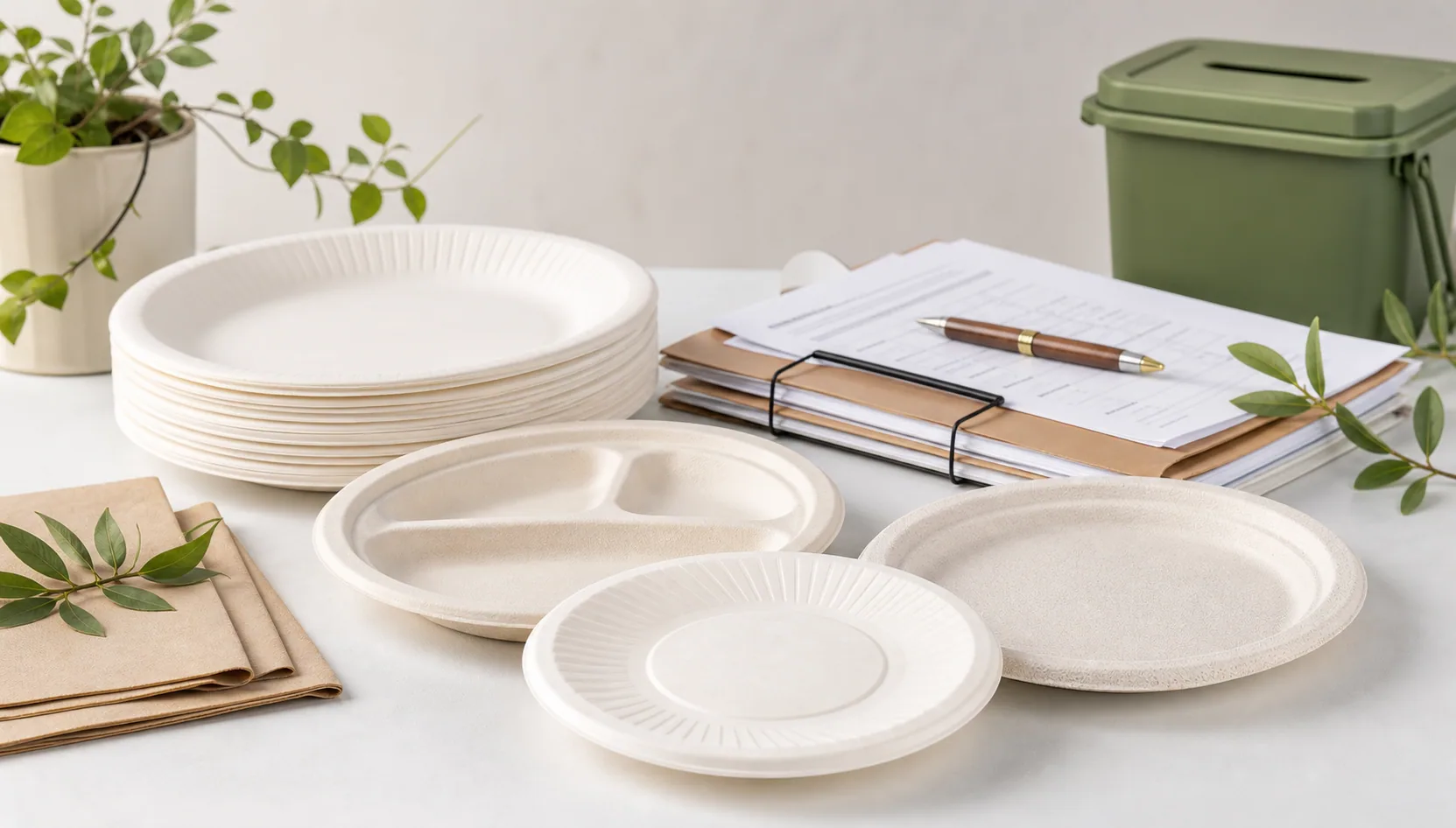
When a project moves between metric and US sizing, confirm whether the stated volume is brimful capacity, practical serving fill, or label claim. This matters for lid fit, leakage margin, portion control, carton count, and whether the final product should be presented as 300 ml, 10 oz, or 12 oz. For soup, sauce, dessert, or meal programs, compare drink cups with paper soup containers, paper bowls with lids, and bagasse bowls with lids instead of treating every 300 ml item as a drink cup.
FAQ: Everything Else You Want to Know
Q: How do I calculate ml to liquid ounces on my own?
A: The math is incredibly simple if you use a calculator: just divide your milliliter amount by 29.57. (For example, 300 ÷ 29.57 = 10.14 oz).
Q: Is 250 ml a standard U.S. cup?
A: No, but it's very close! 250 ml is actually the standard "Metric Cup" used in Australia, New Zealand, and the UK. A U.S. Customary Cup is slightly smaller at roughly 240 ml (exactly 8 oz).
Q: Is a standard imported water bottle 500ml or 16 oz?
A: A typical commercial plastic water bottle imported from Europe or Asia is 500 ml, which translates accurately to 16.9 fluid ounces. This makes it slightly larger than a standard U.S. 16 oz "pint" cup.