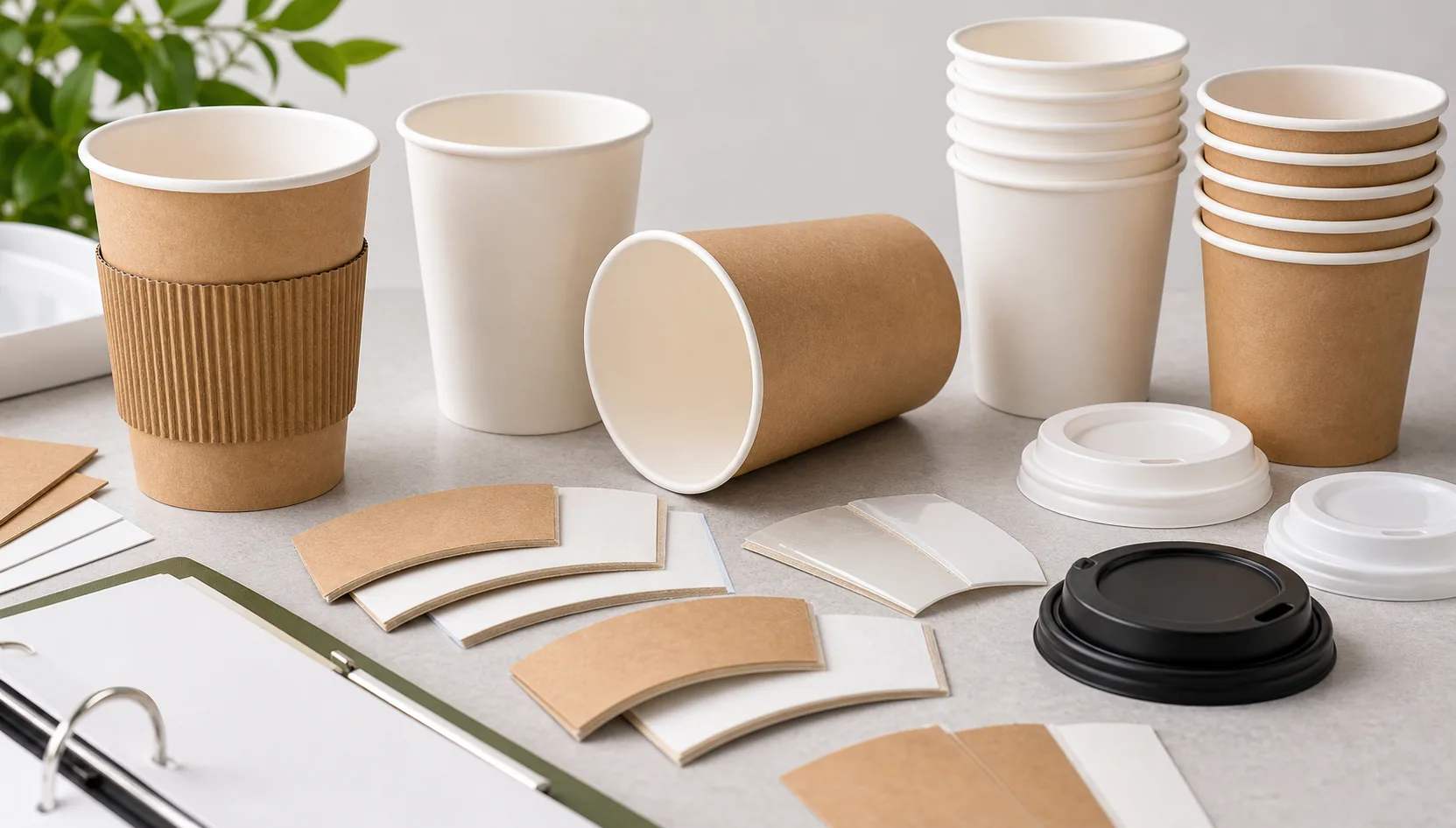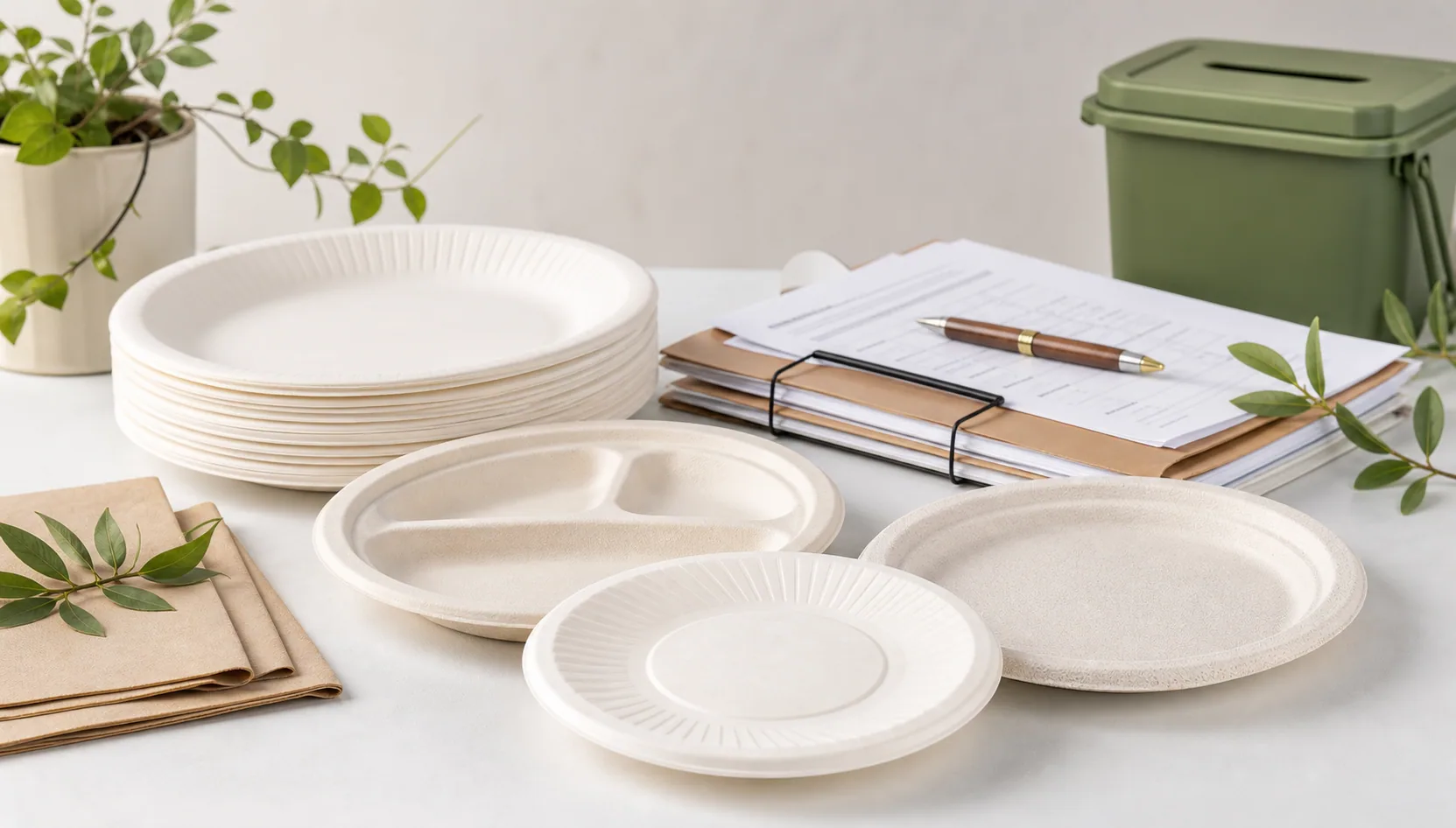
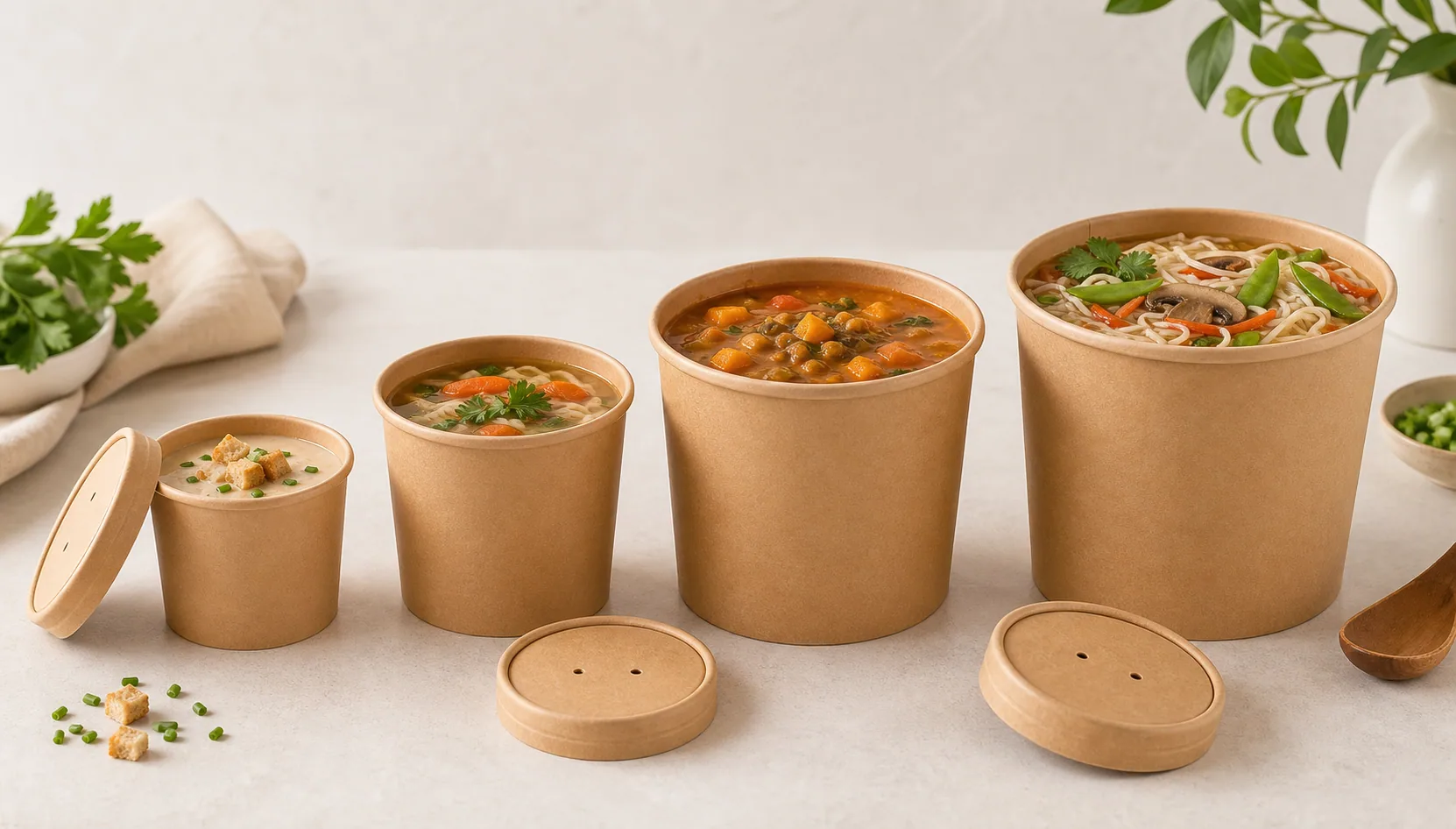
An 8 oz soup bowl and a 32 oz bowl solve very different menu problems, but the number on the specification is only nominal capacity.
Soup texture, toppings, headspace, lid fit and delivery movement determine how much of that capacity is useful in service.
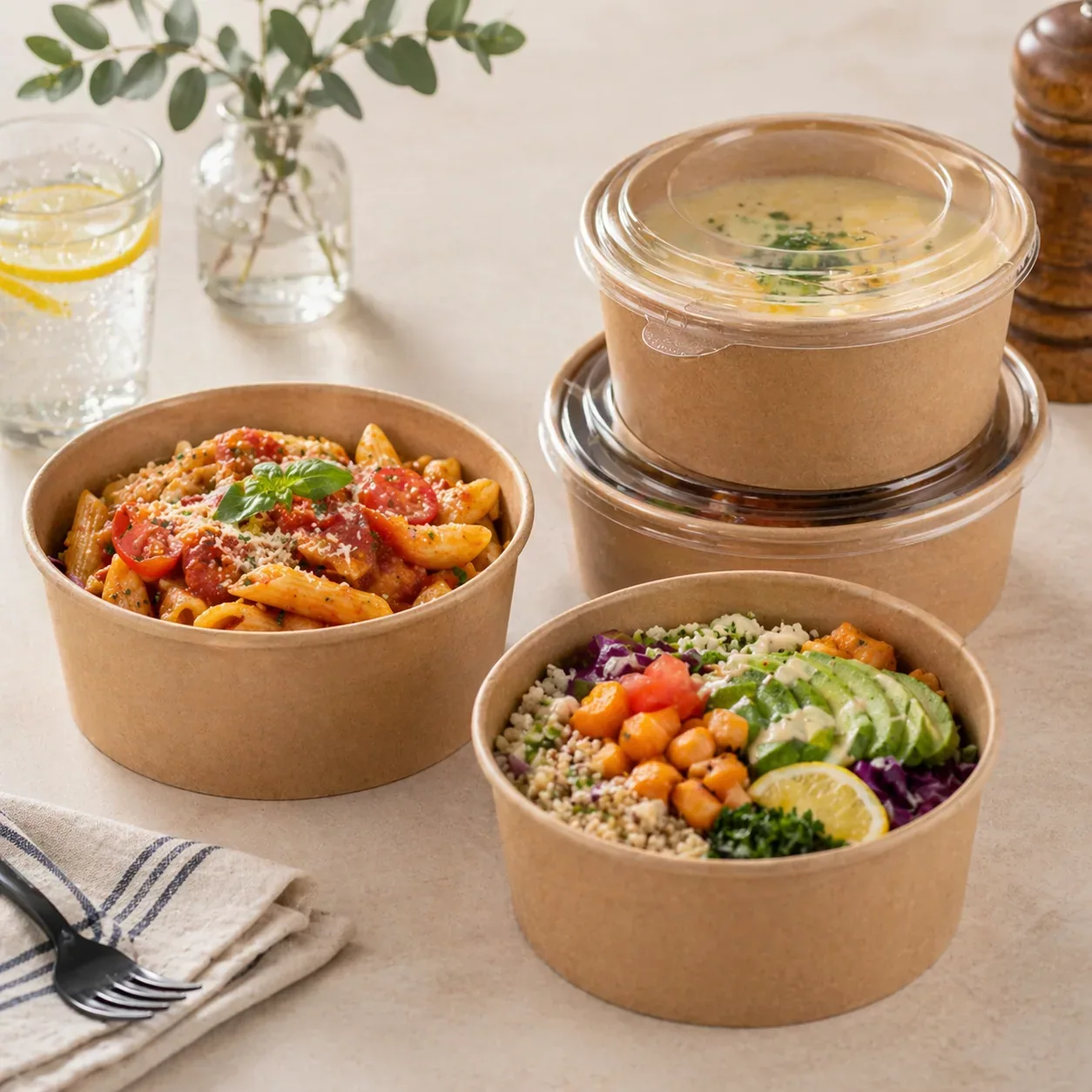
TOGO's paper soup containers cover common foodservice sizes, while paper bowls with lids support broader salad, noodle and takeaway programs.
Nominal Capacity Is Not the Same as Practical Fill
Soup bowl size is the usable food volume of a bowl or soup container after allowing for lid clearance, toppings, expansion, movement and safe handling. The listed capacity is only the starting point.
For unit conversion, NIST lists 1 US fluid ounce as approximately 29.57 mL. That makes ounce labels useful for comparing nominal sizes, but the final fill line still has to be tested with the soup, garnish and lid.
Choose the Bowl Around the Portion
For side soup or tasting, 8-12 oz is usually enough. For a single serving, 16 oz is a common starting point. For noodles, meal bowls, ramen-style dishes or large soup portions, 24-32 oz is often more practical.
TOGO's Kraft Paper Soup Container with Vented Lid and Round Paper Bowls Wholesale are useful product paths for this topic.
| Soup program | Common size | Packaging note | Detail to confirm |
|---|---|---|---|
| Tasting portion | 4-8 oz | Small cup or bowl | Short holding time |
| Side soup | 8-12 oz | Small soup bowl | Lid fit and spoon space |
| Standard soup | 12-16 oz | Paper soup container | Fill line and venting |
| Noodle or meal soup | 24-32 oz | Larger bowl/container | Toppings, broth and delivery movement |
| Family portion | 32 oz+ | Quart-style container | Carry weight and carton packing |
Soup Texture Changes the Size Decision
Clear broth may move during delivery. Cream soup can cling to the sidewall and lid. Chili and stew are dense and may require stronger structure. Noodles need headspace for toppings and can create lid pressure when packed hot.
For food-contact use, material and use condition should stay connected. The FDA's Food Types & Conditions of Use reference is a useful way to explain why hot-fill, refrigerated, room-temperature and reheating conditions cannot be treated as one universal statement.
Include the Lid in Every Size Test
A bowl that holds the soup may still fail in delivery if the lid does not fit well. A vented lid can help with some hot-food service conditions, but product-specific testing and real menu sampling are still needed. For paper bowls, also confirm rim tolerance, lid material, stacking, nested height and carton count.
If you also need salad, rice-bowl or general takeout use cases, keep TOGO's guide to paper bowls with lids for soup, salad and takeout open next to this soup size matrix.
Match Bowl Structure to the Soup
Soup bowl size should follow the soup, not only the portion number. Clear broth, cream soup, chili and noodle soup put different pressure on the bowl wall and lid. A round paper bowl gives you a useful baseline for comparing soup, rice bowls and salad-style service in one comparison set.
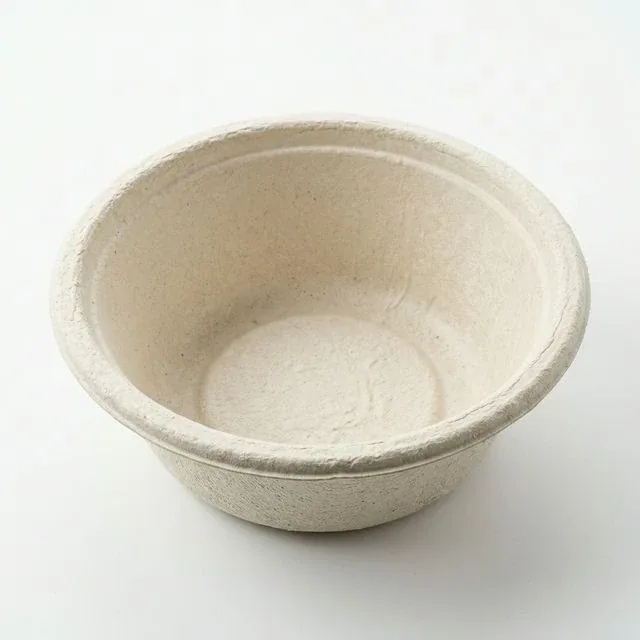
For smaller sides, tasting portions or dessert-style service, an 8 oz bagasse dessert bowl helps you see where the lower-capacity end of the range fits before you move into 12 oz, 16 oz or 32 oz soup formats.
| Soup or bowl style | Size direction | Bowl detail to check | Common issue if ignored |
|---|---|---|---|
| Clear broth | 8 oz to 12 oz | Rim and venting | Splashing near the lid |
| Cream soup | 12 oz to 16 oz | Coating and sidewall | Heat and thickness stress the bowl |
| Chili or stew | 16 oz to 24 oz | Headspace and lid grip | Lid pressure after filling |
| Noodle soup | 24 oz to 32 oz | Diameter and topping space | Ingredients push into the lid |
| Rice or salad bowl | 24 oz to 32 oz | Presentation height | Food looks compressed |
A smaller bowl can be the right answer for a tasting menu, but the wrong answer for a delivery soup program. The bowl should be filled with the actual soup, closed with the intended lid and held for the expected service time before you decide.
Compare Bowl Sizes With TOGO
For an accurate quote, include soup type, target portion, serving temperature, expected holding time, lid preference, spoon or topping needs, packing style, where you plan to sell or use it, and your expected quantity. TOGO can then match paper bowls, soup containers or bagasse bowls to the service condition instead of quoting only by ounce size.
FAQ
What size bowl is best for a standard soup serving?
12-16 oz is a practical starting point for many single-serve soup programs. Larger meals with noodles or toppings may need 24-32 oz.
Is a 32 oz soup container too large?
It can be too large for a simple cup of soup, but it may fit ramen, noodle bowls, family sides or meals with toppings.
Do hot soups need vented lids?
Some hot-food programs benefit from venting, but lid choice depends on product design, food type and delivery method.
Can paper soup bowls be microwaved?
Only if the specific item is labeled or documented for that use. For more detail, see TOGO's microwave guide.