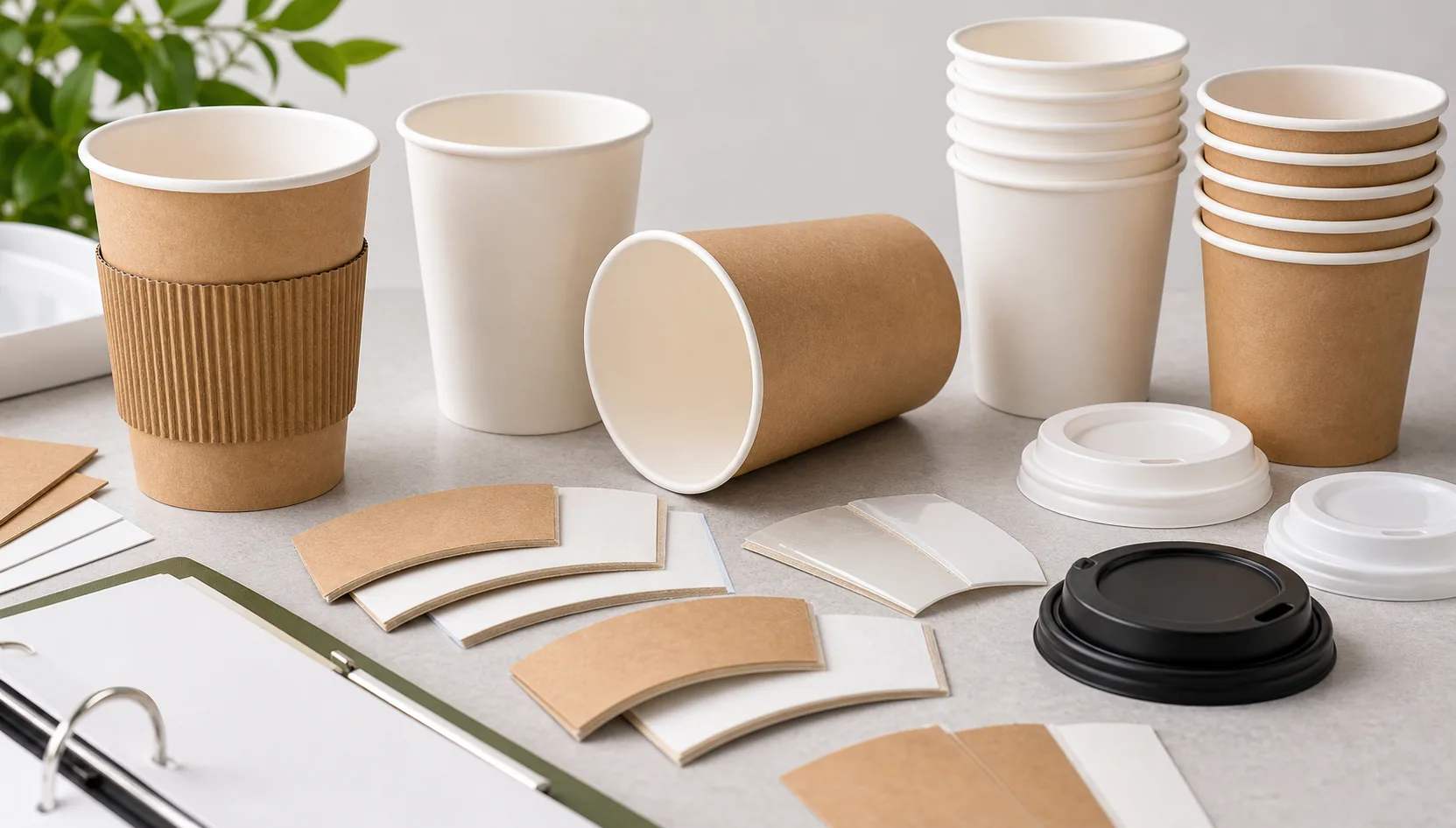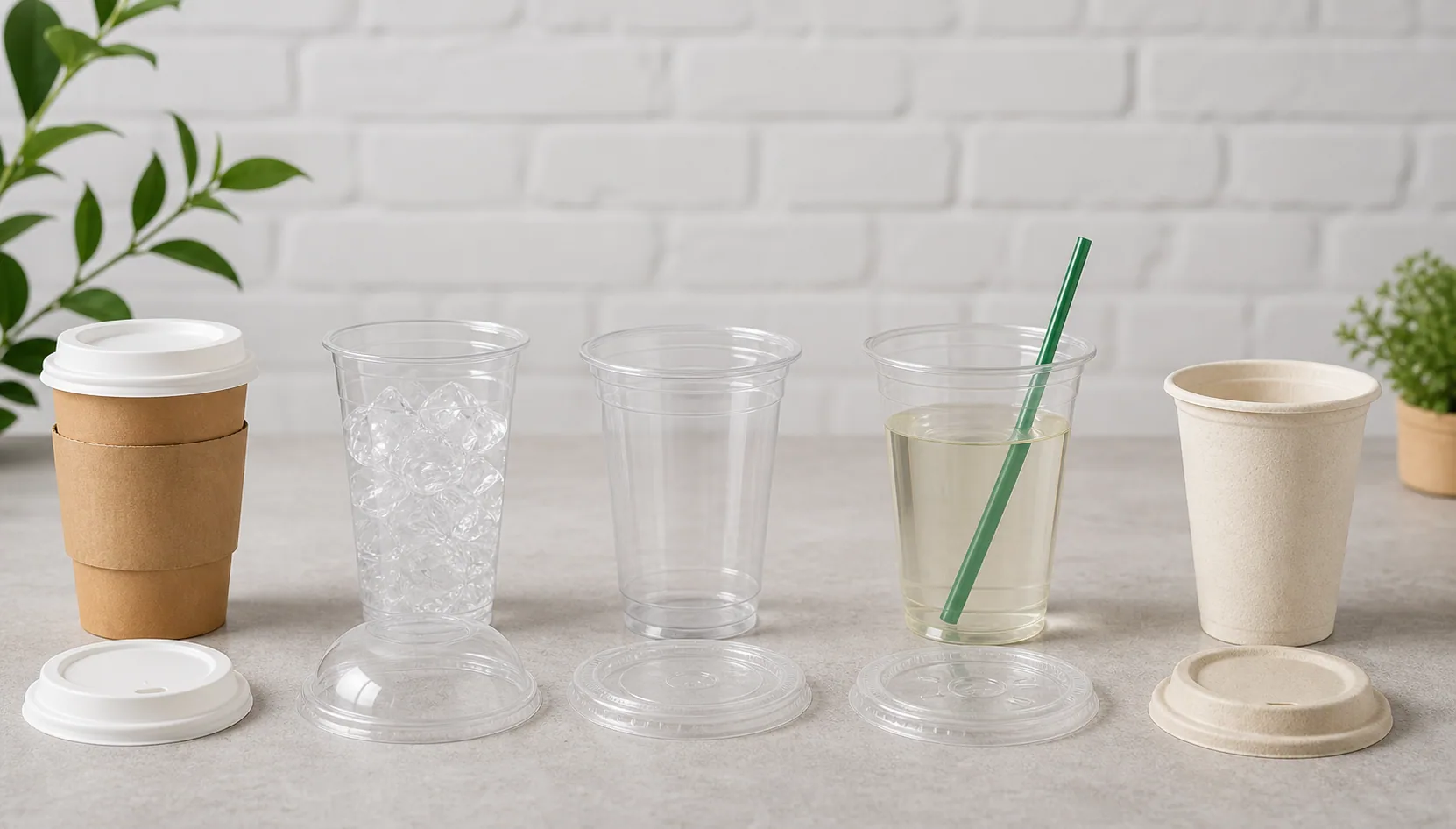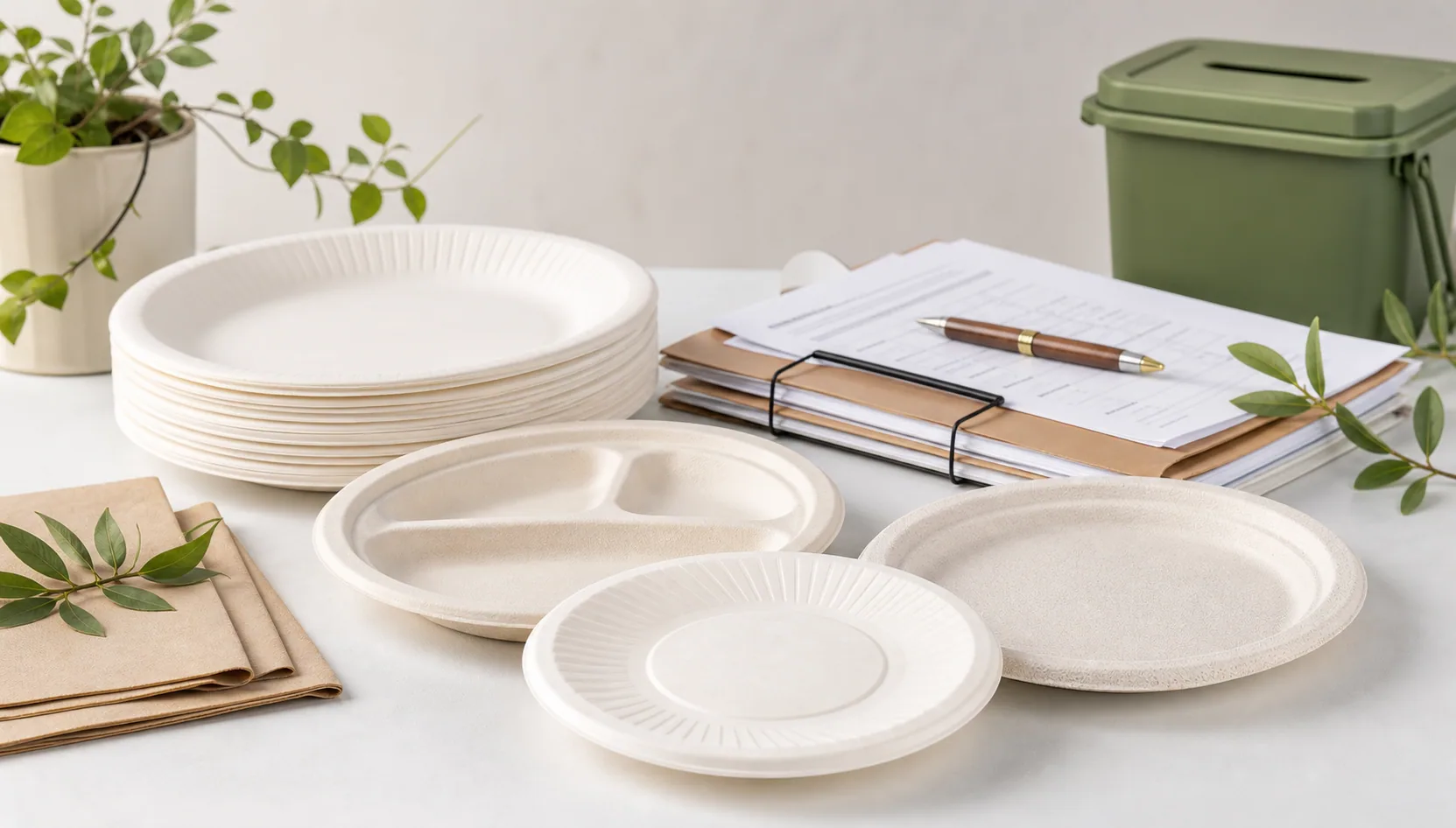
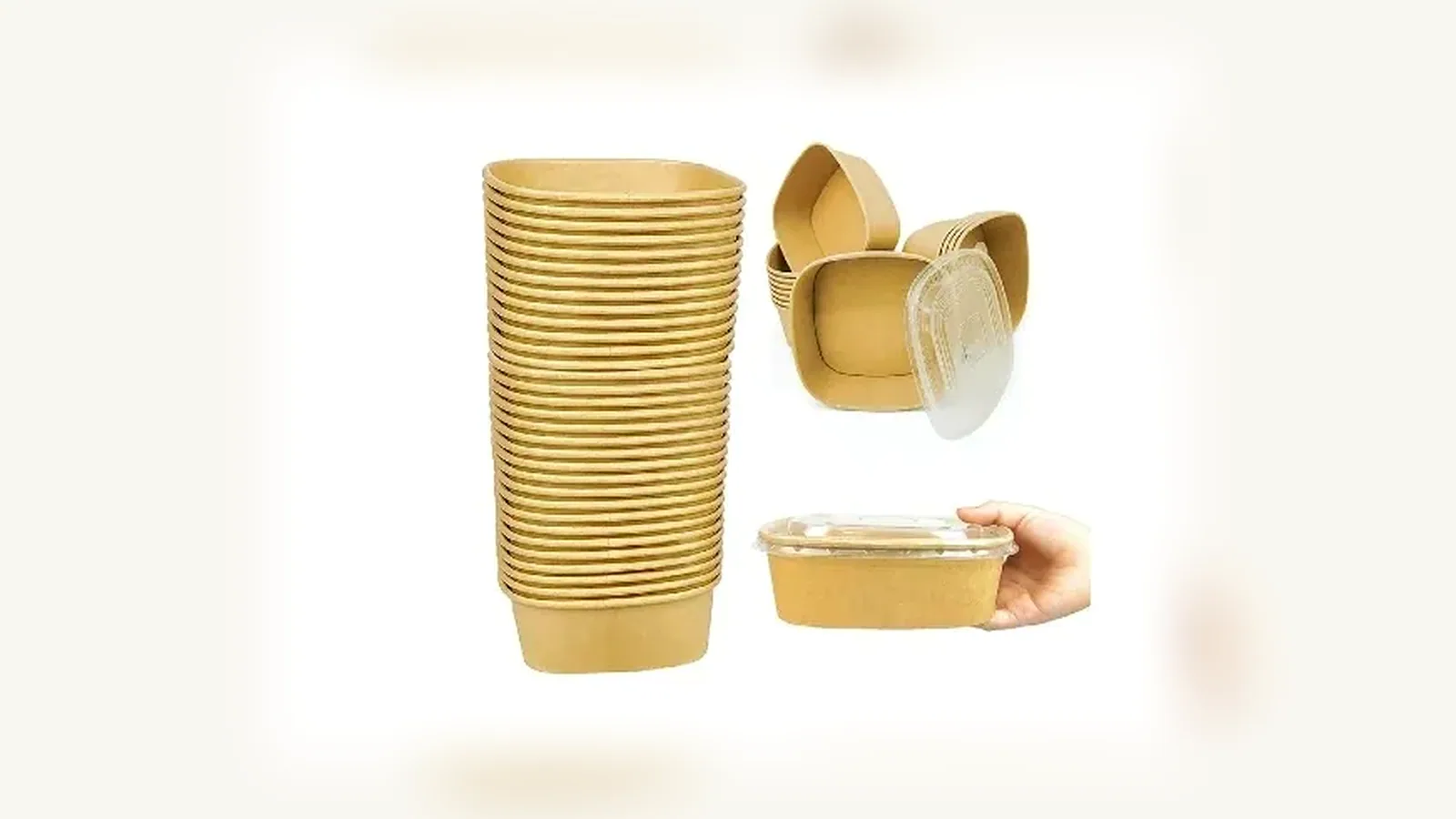
A foodservice guide to paper bowls with lids, paper soup bowls, and disposable paper bowls for takeout menus and distributor programs.
Summary: Paper bowls with lids can work well for soup, salad, rice bowls, desserts, and takeout when the coating, lid fit, food temperature, oil or moisture exposure, and holding time are matched to the menu.
What does this packaging term mean?
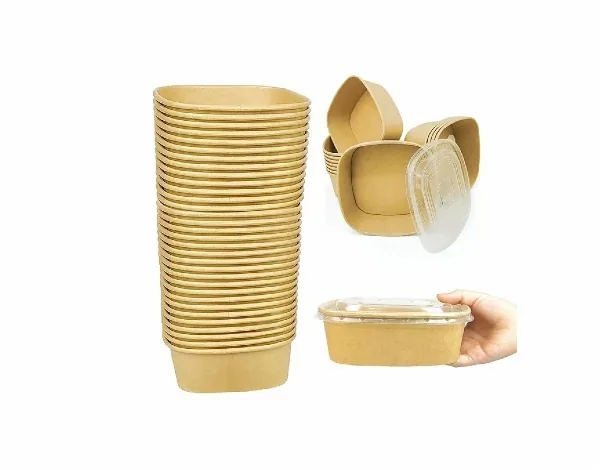
Paper bowls with lids are coated or lined paper-based food containers paired with paper, plastic, or clear lids for takeout, delivery, deli, and prepared-food service.
What is the short answer?
Yes, but the answer depends on the bowl structure, coating, lid type, food temperature, and how long the food will sit before it is eaten. Soup, salad, and rice bowls create different pressure on the wall and lid.
TOGO can match paper bowls with lids options with related paper containers formats so buyers can compare soup, salad, and takeout use without forcing one bowl to cover every menu item.
Why does the food type change the paper bowl decision?
Soup tests heat and moisture. Salad tests lid clarity and dressing separation. Rice bowls and sauced meals test wall stiffness, oil exposure, and lid pressure. A bowl that looks right for a cold salad may not be the same bowl a soup shop should use.
The FDA food-contact guidance is useful here because food packaging is reviewed by intended contact and use condition. That means the same paper bowl family can still require different confirmation for hot soup, chilled salad, or oily takeaway meals.
How should lid fit be reviewed for paper soup bowls?
A soup lid has to do more than cover the top. It should seat properly on the rim, tolerate normal handling, and match the fill level used by staff. If the bowl will be delivered, the lid should be sample-checked with the real soup viscosity and expected carrying time.
For EU-bound programs, the European Commission food-contact materials legislation reinforces the need to keep food-contact wording tied to the material and intended use. This matters when a distributor wants the same bowl for several markets.
Where do environmental claims belong in a paper bowl program?
Paper origin alone does not settle recyclability, compostability, or biodegradability. Coating, food residue, local collection rules, and certification documents all affect the claim. The FTC Green Guides support careful wording that tells the buyer what is actually supported.
For TOGO, the strongest paper bowl inquiry includes bowl size, lid type, menu item, fill temperature, holding time, packing count, carton marks, and any claim wording the buyer plans to put on packaging.
| Menu use | Bowl and lid concern | What to sample-check |
|---|---|---|
| Soup | Heat, moisture, rim fit, lid pressure | Fill level, carrying time, lid seating, carton count |
| Salad | Clear lid, dressing, chilled storage | Lid clarity, dressing cup fit, stacking |
| Rice or sauced meals | Oil, steam, wall stiffness | Holding time, bottom strength, lid closure |
What questions do buyers usually ask?
Can paper bowls hold hot soup?
Some paper bowls are designed for soup service, but the finished bowl, coating, lid, temperature, and holding time should be confirmed before bulk use.
Are paper bowls with lids recyclable?
That depends on coating, food residue, and local recycling rules. Avoid broad claims unless the finished SKU and market support them.
Can TOGO provide bowl and lid samples together?
Yes. Send bowl size, menu item, lid preference, and destination market so TOGO can prepare a practical sample set.
What should you send for a TOGO quotation?
For paper bowls with lids, share menu type, size range, fill temperature, lid style, quantity, packing count, and destination market. TOGO can review the sample fit before bulk production.