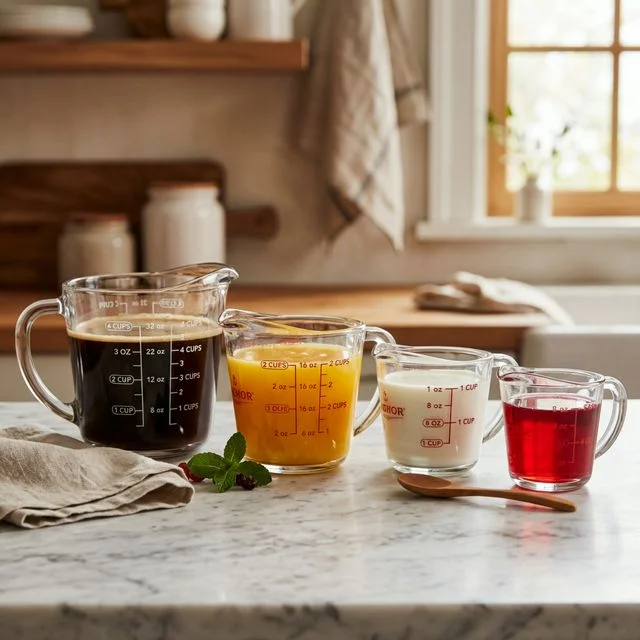
Whether you are a home cook scaling a recipe, a café owner standardizing drink portions, or a procurement manager ordering wholesale food containers, knowing how to convert ounces (oz) to cups is an everyday essential.
This is the only guide you will ever need. Below, you will find instant conversion charts, the critical difference between liquid and dry conversions, and expert tips on choosing the right cup size for cooking and for business.
Quick Rule: 1 US Cup = 8 Fluid Ounces (fl oz). To convert any fluid ounce measurement to cups, simply divide by 8.
Master Conversion Chart: Fluid Ounces to Cups
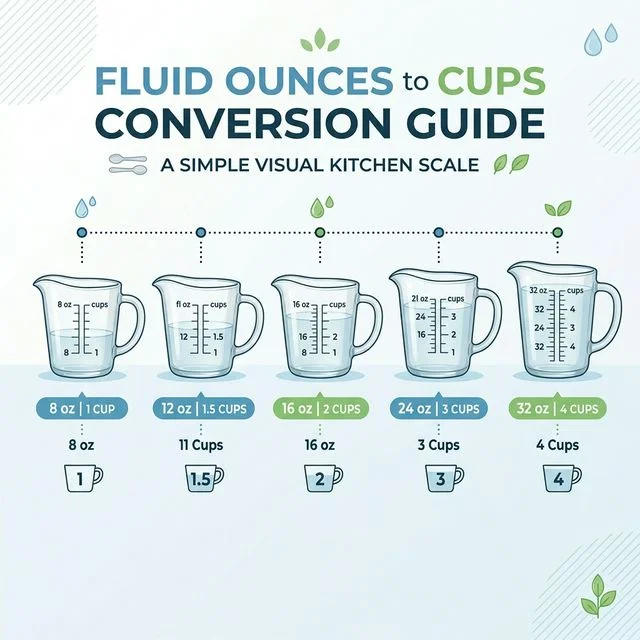
For all liquid ingredients (water, milk, coffee, juice, oil, broth), the following chart applies universally. 1 US cup is always 8 fluid ounces, so we simply divide the ounce value by 8.
Fluid Ounces (fl oz) | US Cups | Milliliters (ml) | Tablespoons (tbsp) | Common Use |
|---|---|---|---|---|
1 oz | 0.125 (⅛ cup) | 30 ml | 2 tbsp | Single shot of espresso |
2 oz | 0.25 (¼ cup) | 59 ml | 4 tbsp | Double espresso shot |
3 oz | 0.375 (⅜ cup) | 89 ml | 6 tbsp | Small medicine cup |
4 oz | 0.5 (½ cup) | 118 ml | 8 tbsp | Kids' juice serving |
5 oz | 0.625 (⅝ cup) | 148 ml | 10 tbsp | Standard wine pour |
6 oz | 0.75 (¾ cup) | 177 ml | 12 tbsp | Traditional teacup |
8 oz | 1.0 Cup | 237 ml | 16 tbsp | |
10 oz | 1.25 Cups | 296 ml | 20 tbsp | Medium hot beverage |
12 oz | 1.5 Cups | 355 ml | 24 tbsp | |
14 oz | 1.75 Cups | 414 ml | 28 tbsp | Large latte |
16 oz | 2.0 Cups | 473 ml | 32 tbsp | US Pint / "Grande" |
18 oz | 2.25 Cups | 532 ml | 36 tbsp | Large iced coffee |
20 oz | 2.5 Cups | 591 ml | 40 tbsp | "Venti" size hot drink |
24 oz | 3.0 Cups | 710 ml | 48 tbsp | Extra-large iced drink |
30 oz | 3.75 Cups | 887 ml | 60 tbsp | Large smoothie |
32 oz | 4.0 Cups | 946 ml | 64 tbsp |
How to Convert Any Ounce Value to Cups
Two simple methods work for any fluid measurement:
Method 1 — Division: Divide the number of ounces by 8.
Example: 20 oz ÷ 8 = 2.5 cups
Method 2 — Multiplication: Multiply ounces by 0.125.
Example: 14 oz × 0.125 = 1.75 cups
The Critical Difference: Dry Ounces vs. Fluid Ounces
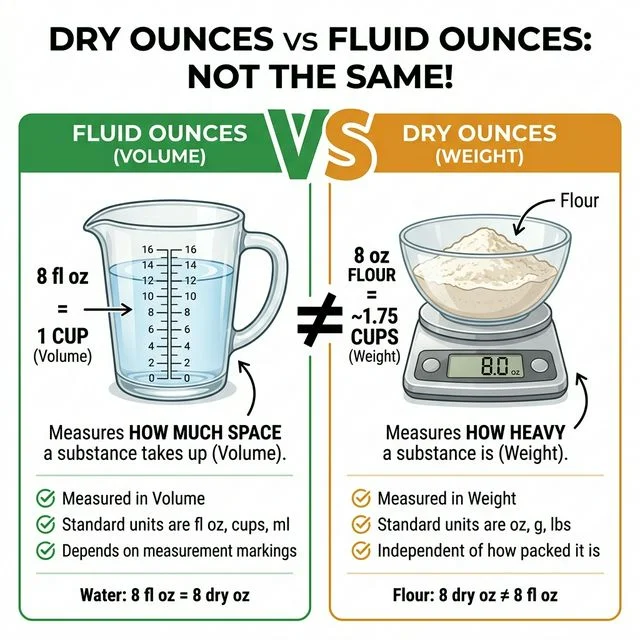
This is where most kitchen disasters happen. Fluid ounces (fl oz) measure volume — how much space something takes up. Dry ounces (oz) measure weight — how heavy something is.
12 fluid ounces of water will always be 1.5 cups. But 12 dry ounces of flour will be much more than 1.5 cups because flour is light and fluffy.
Dry Weight to Cups Conversion (Most Searched Ingredients)
Ingredient | Weight per Cup | 8 oz = | 12 oz = | 16 oz = | 32 oz = |
|---|---|---|---|---|---|
All-Purpose Flour | ~4.25 oz/cup | 1 ¾ cups | 2 ¾ cups | 3 ¾ cups | 7 ½ cups |
Granulated Sugar | ~7.05 oz/cup | 1 ⅛ cups | 1 ¾ cups | 2 ¼ cups | 4 ½ cups |
Brown Sugar (packed) | ~7.7 oz/cup | 1 cup | 1 ½ cups | 2 cups | 4 ⅛ cups |
Chocolate Chips | ~6 oz/cup | 1 ⅓ cups | 2 cups | 2 ⅔ cups | 5 ⅓ cups |
Shredded Cheese | ~4 oz/cup | 2 cups | 3 cups | 4 cups | 8 cups |
Dry Pasta (short) | ~4 oz/cup | 2 cups | 3 cups | 4 cups | 8 cups |
Dry Rice (uncooked) | ~6.5 oz/cup | 1 ¼ cups | 1 ⅞ cups | 2 ½ cups | 4 ⅞ cups |
Butter | 8 oz/cup (2 sticks) | 1 cup | 1 ½ cups | 2 cups | 4 cups |
Oats (rolled) | ~3 oz/cup | 2 ⅔ cups | 4 cups | 5 ⅓ cups | 10 ⅔ cups |
Pro Tip: When a recipe says "1 cup of flour," it always means measured by volume (scooped and leveled), not weighed. If precision matters, always use a kitchen scale — professional bakers weigh everything in grams.
Every Common Oz Size Explained (Quick Links)
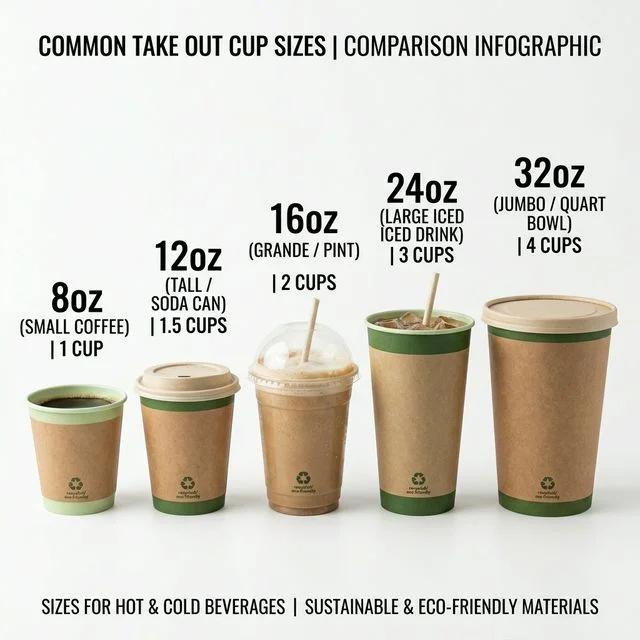
Need a deep dive into a specific size? Click through to our dedicated guides:
📏 8 oz — The Foundation Cup
8 fl oz = 1 Cup exactly.
This is the universal "Small" coffee and the baseline for all US cup measurements. It is the ideal size for espresso-based drinks like Flat Whites and Cappuccinos, where a concentrated flavor profile is desired.
👉 Read the complete 8 oz guide →
📏 12 oz — The Sweet Spot
12 fl oz = 1.5 Cups.
The world's most iconic measurement — the Classic Soda Can and the "Tall" coffee at Starbucks are both 12 oz. For business owners, this size balances portion satisfaction with cost efficiency.
👉 Read the complete 12 oz guide →
📏 16 oz — The US Pint
16 fl oz = 2 Cups = 1 US Pint.
The "Grande" of the coffee world and the standard for a US pint of beer. This is the go-to size for medium iced drinks and hearty soups.
📏 20 oz — The Large
20 fl oz = 2.5 Cups.
The "Venti" hot drink size. Increasingly popular for iced lattes and smoothie bowls in the takeout market.
📏 24 oz — Iced Drink Standard
24 fl oz = 3 Cups.
The ideal vessel for iced coffee, cold brew, and fruit smoothies where ice takes up significant volume.
📏 32 oz — The Quart / Jumbo
32 fl oz = 4 Cups = 1 Quart.
The superstar of meal-prep containers and large takeout bowls. A 32 oz container comfortably fits a full adult entrée (poke bowls, large salads, pho).
👉 Read the complete 32 oz guide →
oz to Cups in Different Measurement Systems
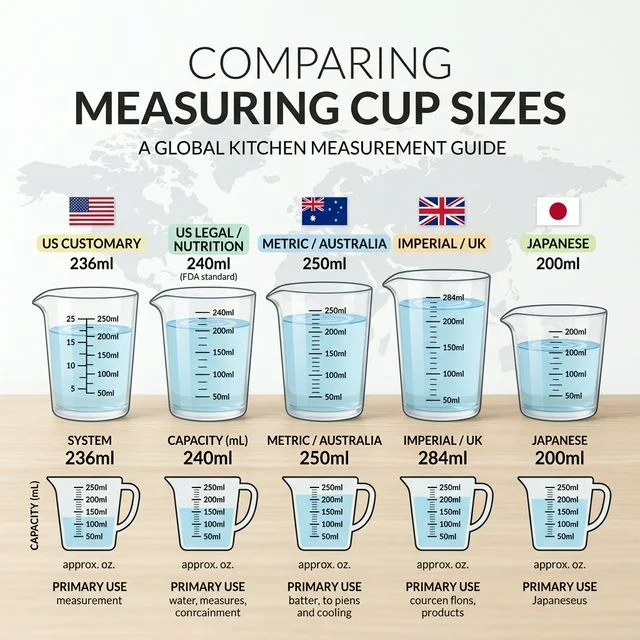
If you work in international trade or cook with recipes from different countries, be aware that "cup" does not mean the same thing everywhere:
System | 1 Cup = | 8 US fl oz = |
|---|---|---|
US Customary | 8 fl oz (236.6 ml) | 1.0 Cup |
US Legal (nutrition labels) | 8.12 fl oz (240 ml) | 0.99 Cup |
Metric (Australia, NZ) | 8.45 fl oz (250 ml) | 0.95 Cup |
Imperial (UK, Canada legacy) | 10 Imperial fl oz (284 ml) | 0.83 Cup |
Japanese | 6.76 fl oz (200 ml) | 1.18 Cups |
For international food packaging businesses: Always specify "US fl oz" or "ml" on your labels to avoid confusion. At ToGoTableware, all our cup and container sizes are marked in both US fl oz and milliliters.
From Conversion Math to the Right Container
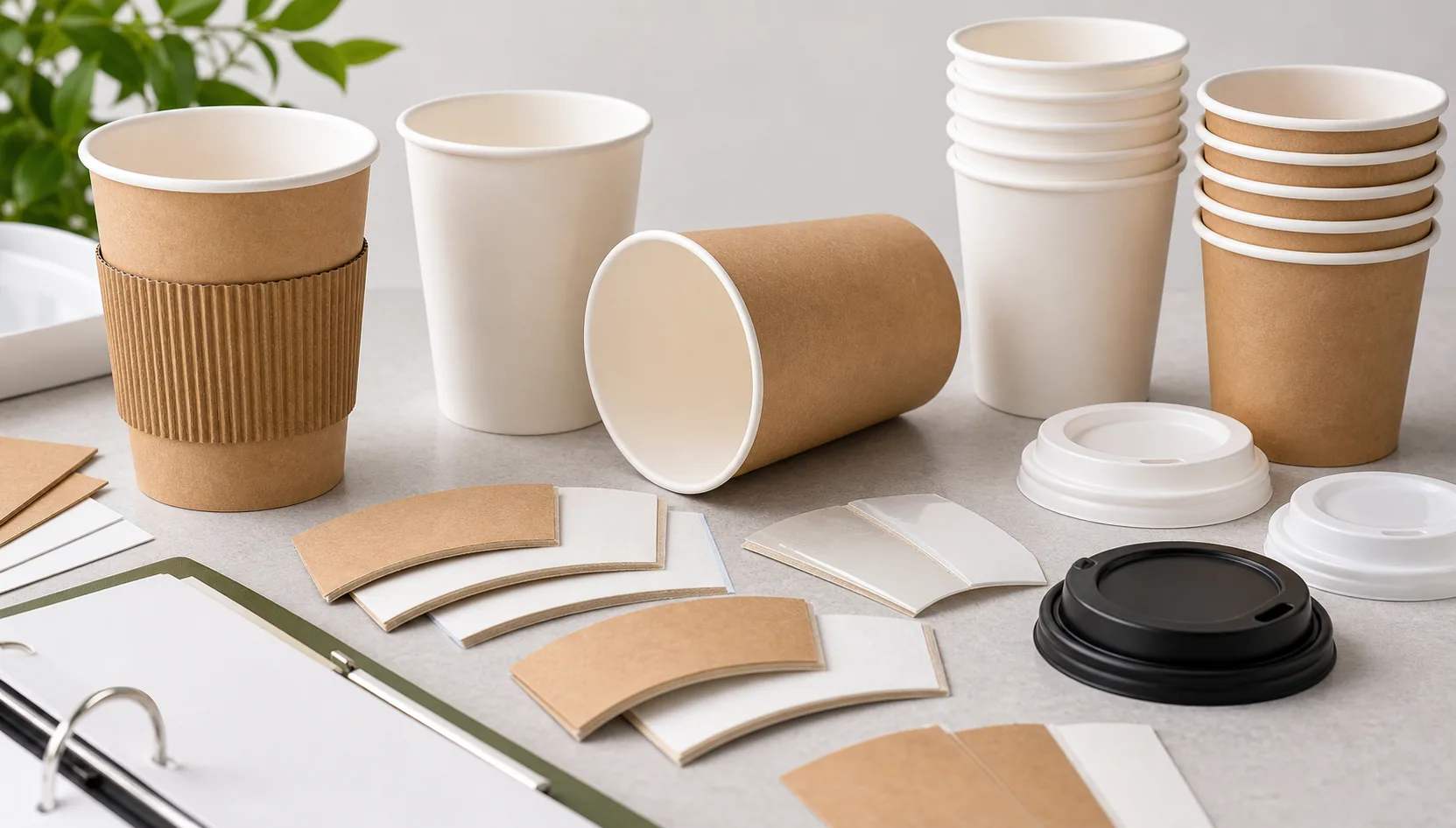
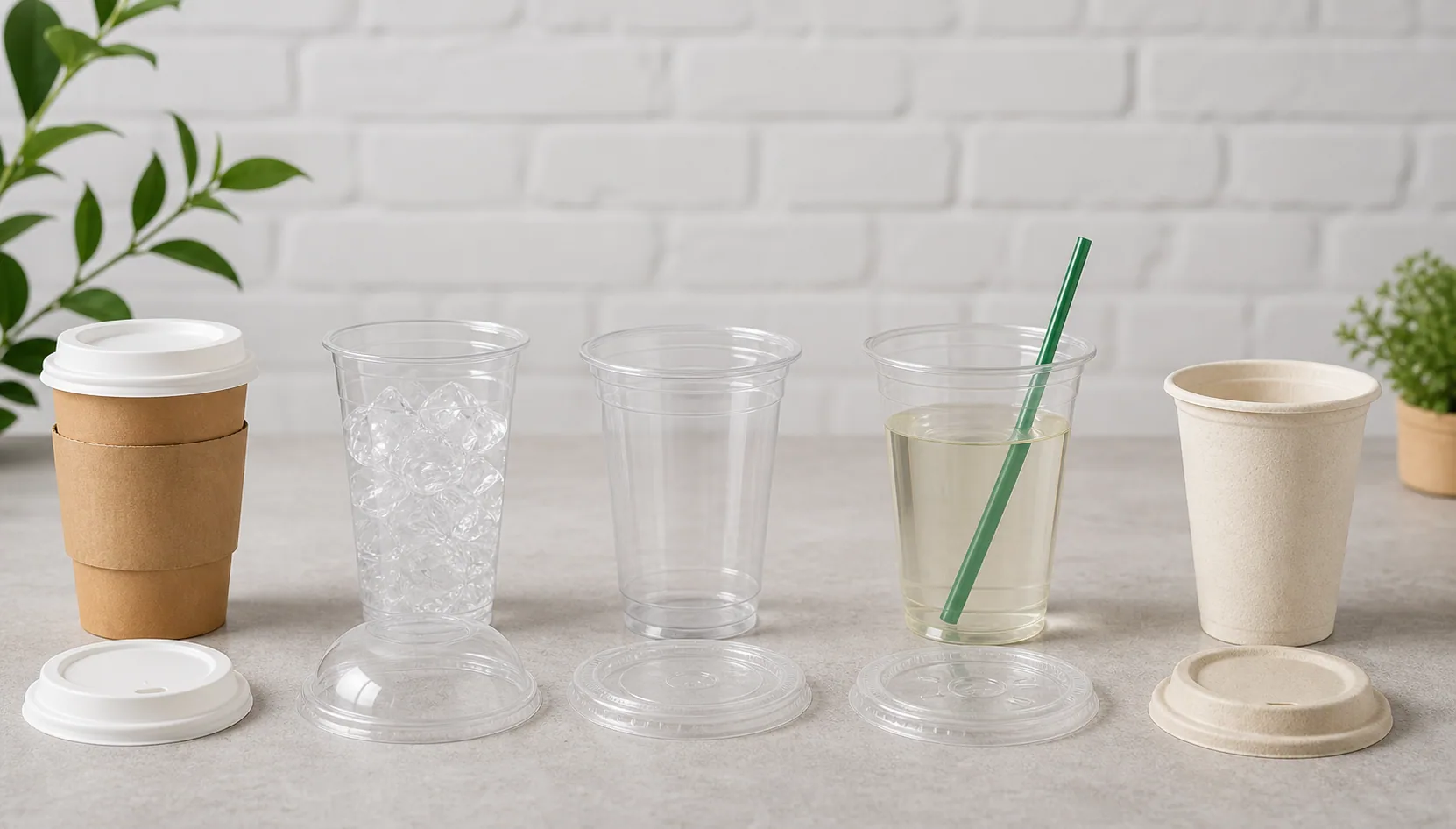
Understanding oz to cups is not just kitchen math — it is a critical business decision when sourcing disposable cups, bowls, and containers for your food service operation.
Choosing the Right Cup Size for Your Business
Cup Size | Ideal For | Best Sellers |
|---|---|---|
8 oz (1 cup) | Espresso drinks, kids' beverages, samples | |
12 oz (1.5 cups) | Standard hot coffee, medium drinks | |
16 oz (2 cups) | Iced lattes, medium soups, smoothies | |
20-24 oz (2.5-3 cups) | Large iced drinks, cold brew, bubble tea | Custom |
32 oz (4 cups) | Meal-prep bowls, large salads, pho |
Why Eco-Friendly Packaging Matters in 2026
With global single-use plastic bans accelerating (see our complete guide to the 2026 plastic ban), sustainable alternatives are no longer optional. At ToGoTableware, every product — from our 8oz dessert bowls to our 32oz meal containers — is made from 100% compostable, plant-based materials such as sugarcane bagasse and FSC-certified paper.
The Perfect Pairings: Complete your sustainable beverage station with our Wooden Coffee Stirrers and Bamboo Cutlery Sets.
Looking for wholesale eco-friendly cups and containers in every size? Request a free sample kit and wholesale quote today!)
Frequently Asked Questions (FAQ)
Q: How do you convert oz to cups?
A: For liquids, divide the number of fluid ounces by 8. According to NIST (National Institute of Standards and Technology), 1 US cup = 8 fl oz. So 16 oz ÷ 8 = 2 cups. For dry ingredients, you must know the weight-per-cup of that specific ingredient (available in the USDA FoodData Central database), because each ingredient has a different density.
Q: Is a regular cup 8 oz?
A: Yes, 1 standard US customary cup = exactly 8 US fluid ounces (236.6 ml). This is the definition used by NIST and the USDA. However, be aware that a UK Imperial cup is 10 fl oz (284 ml), and a Metric cup (Australia/NZ) is 250 ml. At ToGoTableware, all our cup products are labeled in both US fl oz and milliliters for international clarity.
Q: How many ounces is a cup dry?
A: A dry “cup” is a volume measurement, not a weight measurement. According to the USDA FoodData Central database, the weight of 1 cup varies significantly by ingredient: 1 cup of all-purpose flour weighs ~4.25 oz (120g), while 1 cup of granulated sugar weighs ~7.05 oz (200g). Always use a kitchen scale when precision matters.
Q: Does 8 dry ounces equal 1 cup?
A: Not necessarily. 8 fluid ounces always equals 1 cup by volume. But 8 dry ounces (weight) produces different cup volumes depending on the ingredient. Per USDA data: 8 oz of flour ≈ 1¾ cups, while 8 oz of sugar ≈ 1⅛ cups.
Q: Is 1 cup dry the same as 1 cup liquid?
A: As a unit of volume, yes — both equal ~237 ml. A dry measuring cup and a liquid measuring cup hold the same volume, but they are shaped differently for accuracy (dry cups have a flat rim for leveling; liquid cups have a pour spout and fill line). The confusion arises because recipes often list dry ingredients by weight in ounces, not volume.
Q: Is a liquid ounce the same as a dry ounce?
A: No, they measure different properties. A fluid ounce (fl oz) measures volume (space occupied), defined by NIST as 1/128 of a US gallon. A dry ounce measures weight (mass), defined as 1/16 of a US pound. For water, they happen to be nearly identical, but for all other ingredients they differ.
Q: Is 1 cup of flour the same weight as 1 cup of water?
A: No. According to the USDA, 1 cup of water weighs 8 oz (236g), but 1 cup of sifted all-purpose flour weighs only ~4.25 oz (120g) — nearly half the weight. This density difference is why professional bakers always measure flour by weight using a kitchen scale, not by volume.
Q: How to measure 1 cup dry?
A: Use a flat-topped dry measuring cup: spoon the ingredient in and level off with a straight edge. According to the USDA's baking guidelines, do not pack ingredients down unless the recipe specifies “packed” (like brown sugar). The spoon-and-level method yields the most consistent results.
Q: How many cups is 4 dry ounces?
A: It depends on the ingredient. Per USDA FoodData Central: 4 oz of flour ≈ 0.94 cups, 4 oz of sugar ≈ 0.57 cups, 4 oz of shredded cheese ≈ 1 cup, 4 oz of butter = exactly ½ cup (1 stick).
Q: How many cups are in 30 oz?
A: 30 US fluid ounces = 3.75 cups (3¾ cups). Calculated as 30 ÷ 8 = 3.75. In milliliters, 30 fl oz ≈ 887 ml.
Quick Reference Conversion Formulas
Keep these formulas bookmarked for everyday use:
Conversion | Formula |
|---|---|
oz → cups | cups = oz ÷ 8 |
cups → oz | oz = cups × 8 |
oz → ml | ml = oz × 29.574 |
ml → oz | oz = ml ÷ 29.574 |
oz → tablespoons | tbsp = oz × 2 |
cups → quarts | quarts = cups ÷ 4 |
cups → gallons | gallons = cups ÷ 16 |
👉 Need gallons, quarts, and pints? Check our Complete Gallon Conversion Guide →