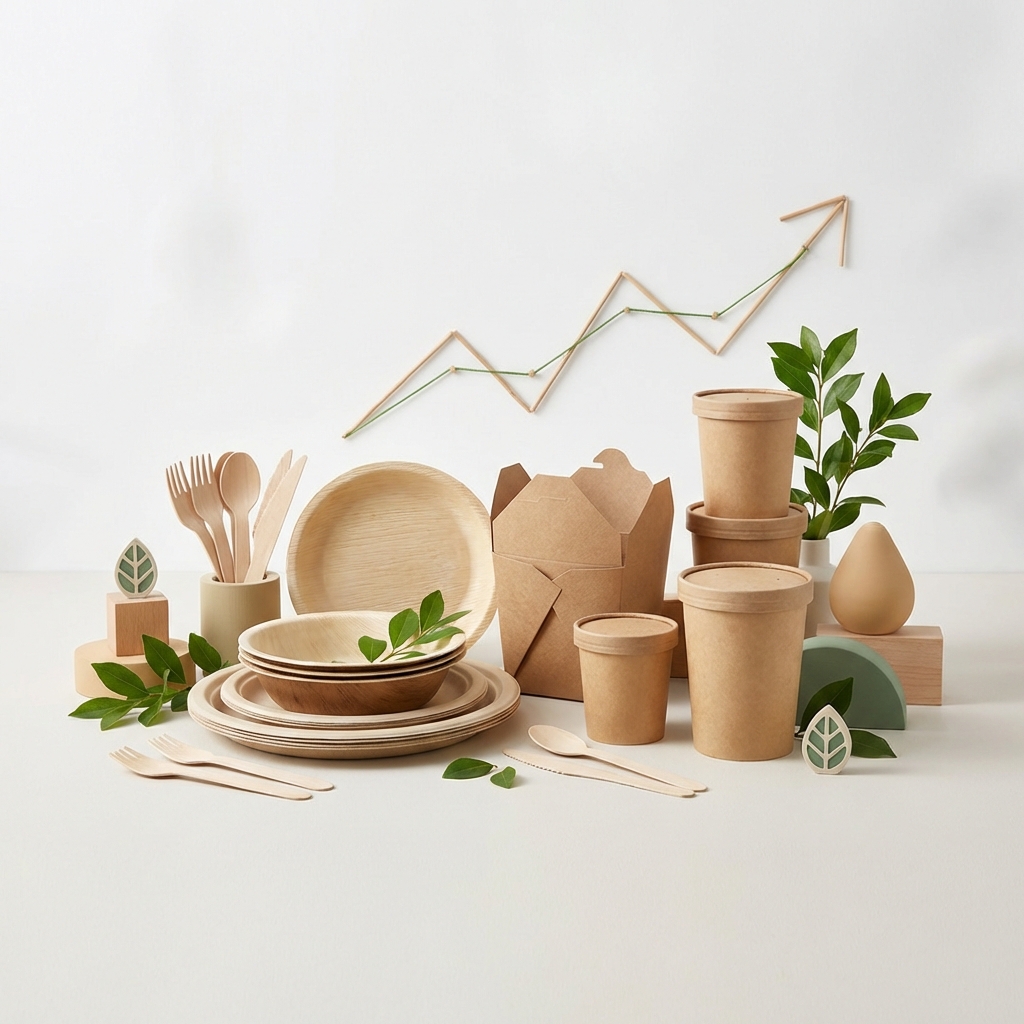
Sustainable Packaging Is Taking Over—Here's What's Changing
Let's be real: the foodservice packaging industry isn't just evolving—it's having a full-blown identity crisis. And honestly? That's a good thing.
With the global market racing toward $121.7 billion by 2034 and sustainable options growing faster than ever, the old "cheap plastic, ship it, forget it" playbook is officially dead.
If you're a B2B buyer, distributor, or food service operator, 2026 is your make-or-break year. New regulations are kicking in, customers are getting pickier, and the materials that seemed "alternative" five years ago are now mainstream. Whether you're hunting for compostable tableware wholesale or need a trustworthy biodegradable cutlery supplier, the businesses that get ahead of these trends will win big.
So what's actually happening? Let's break down the 7 trends that'll shape your sourcing strategy this year.
Trend 1: Eco-Friendly Paper Packaging Is Having Its Moment
Here's the Deal
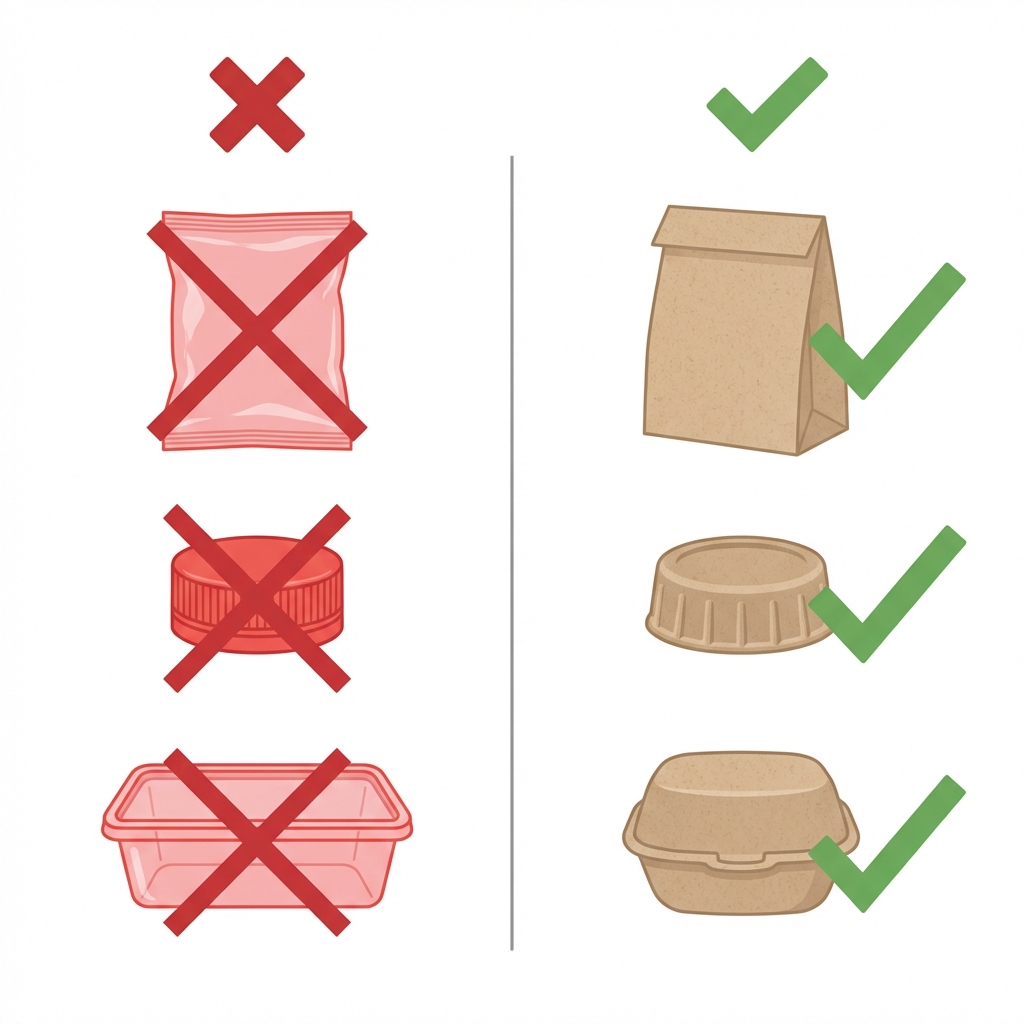
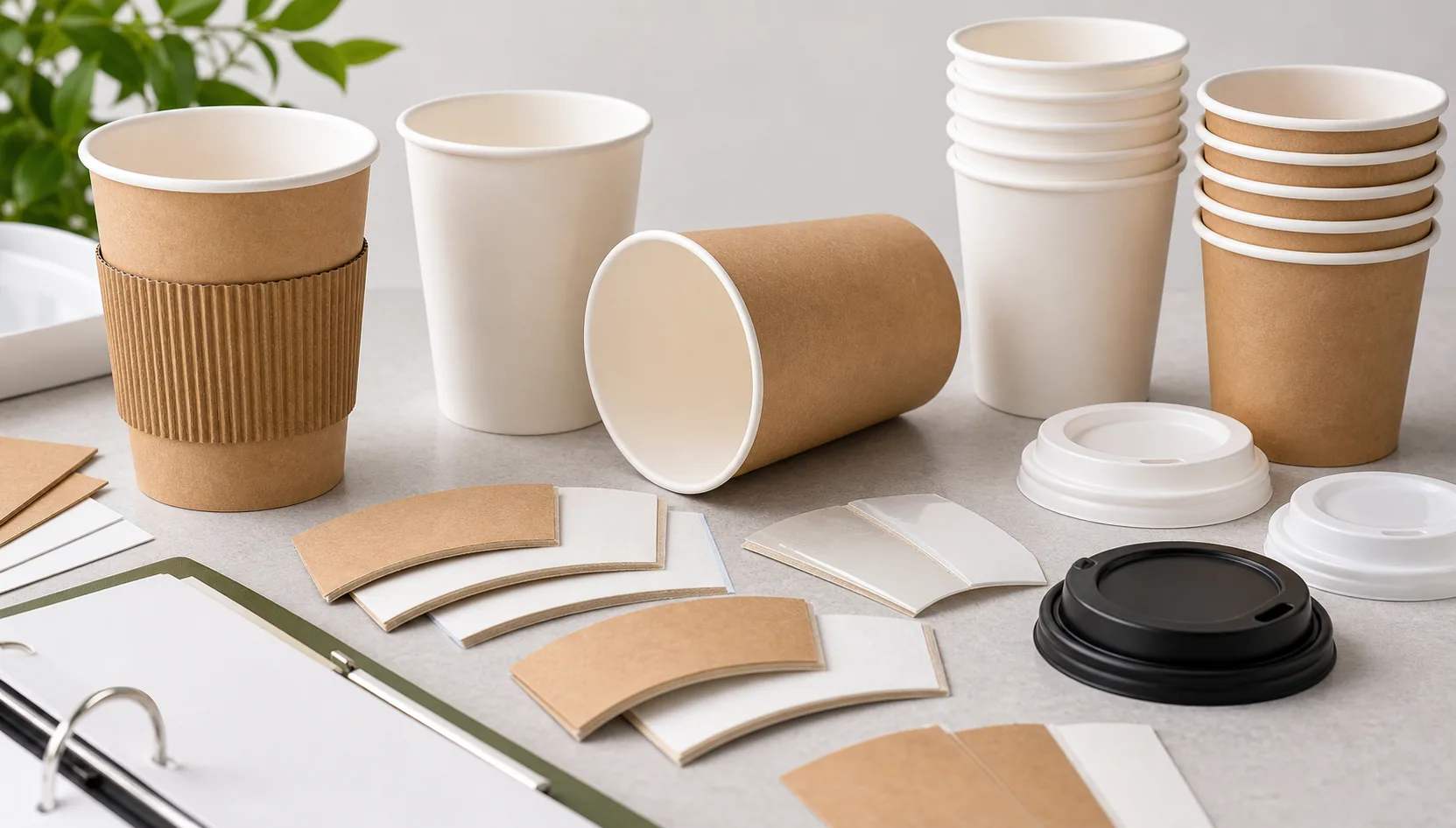
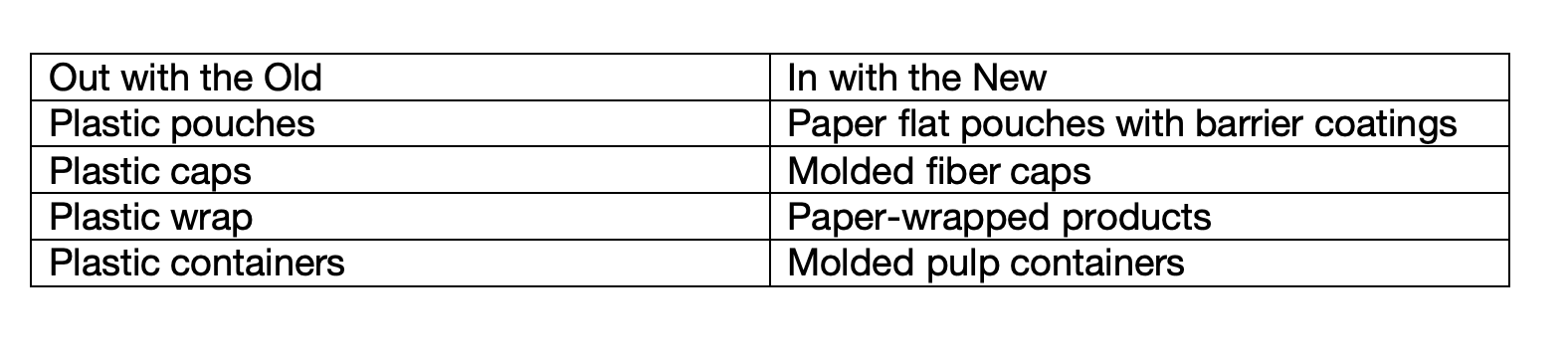
Everyone's ditching plastic for fiber-based packaging, and we're not just talking paper bags anymore. The "paperization" wave is hitting everything from pouches to caps to containers.
Why Should You Care?
Paper-based products are basically checking every box right now:
· Easy to recycle: Works with existing waste systems almost everywhere
· Customers love it: Nothing screams "eco-friendly" like natural materials
· Regulators approve: Most plastic bans don't touch paper
How We Fit In
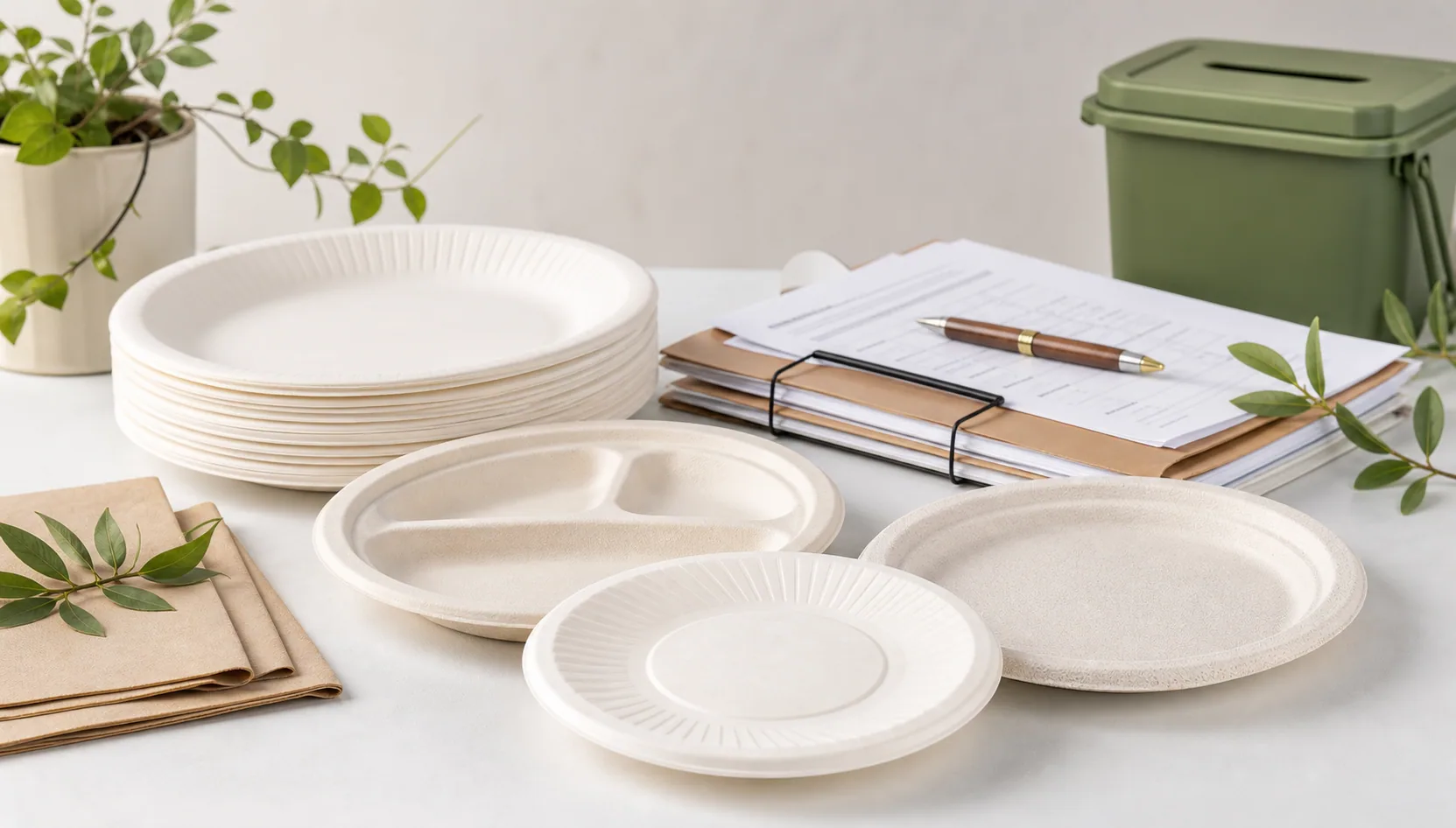
Our wooden disposable plates and paper-based packaging products are riding this wave perfectly:
· FSC certified wooden cutlery from sustainably managed forests
· Fully recyclable and compostable
· That premium, natural look that makes brands stand out
Trend 2: Compostable Tableware Goes From "Nice to Have" to "Must Have"
The Numbers Don't Lie
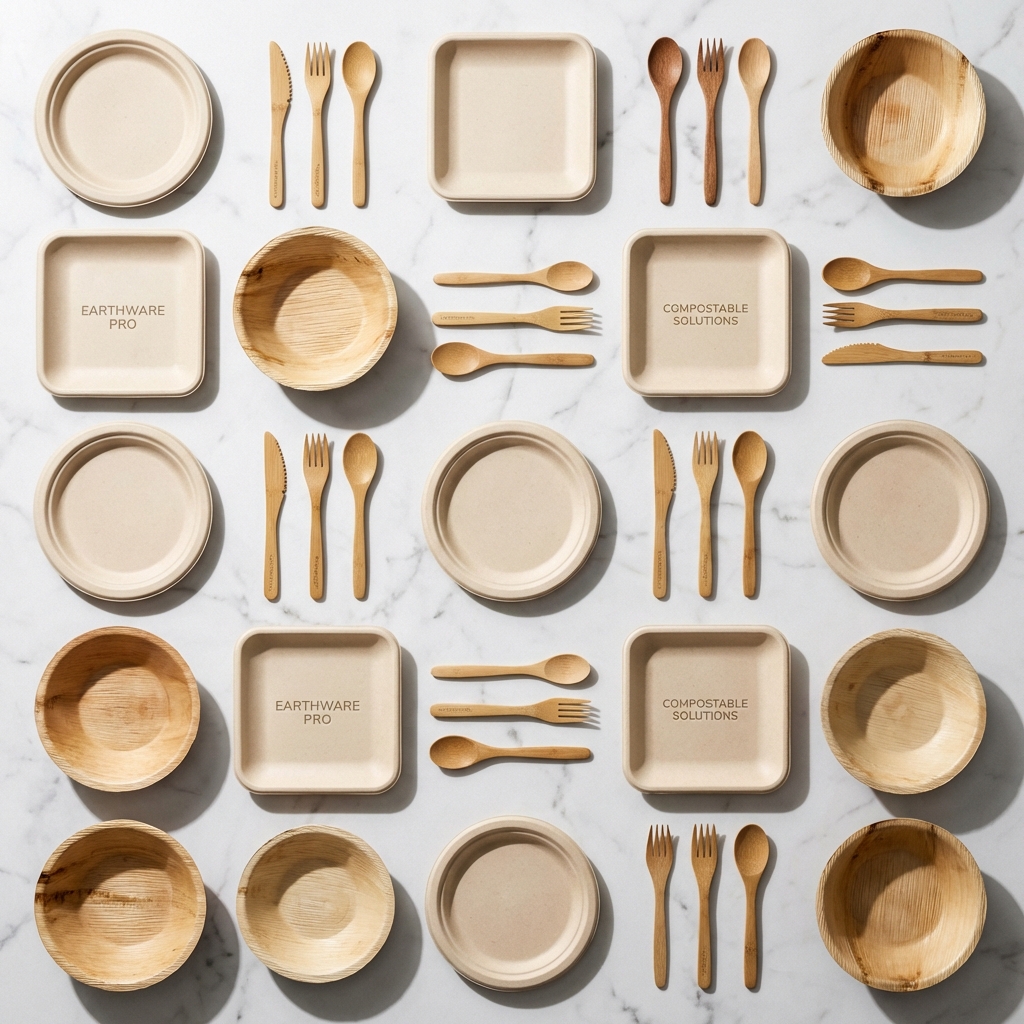
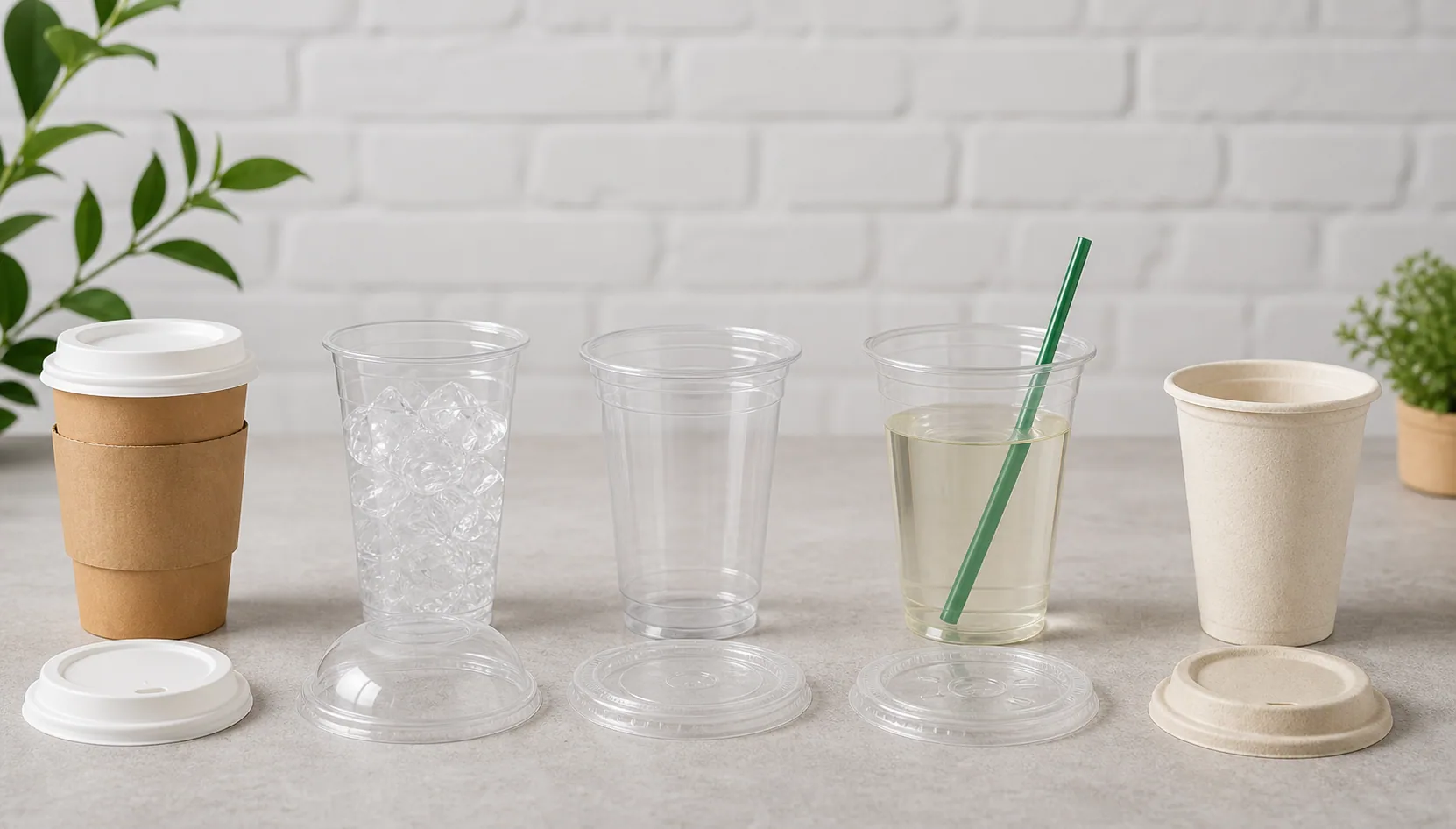
Compostable packaging isn't a niche anymore, it's exploding:
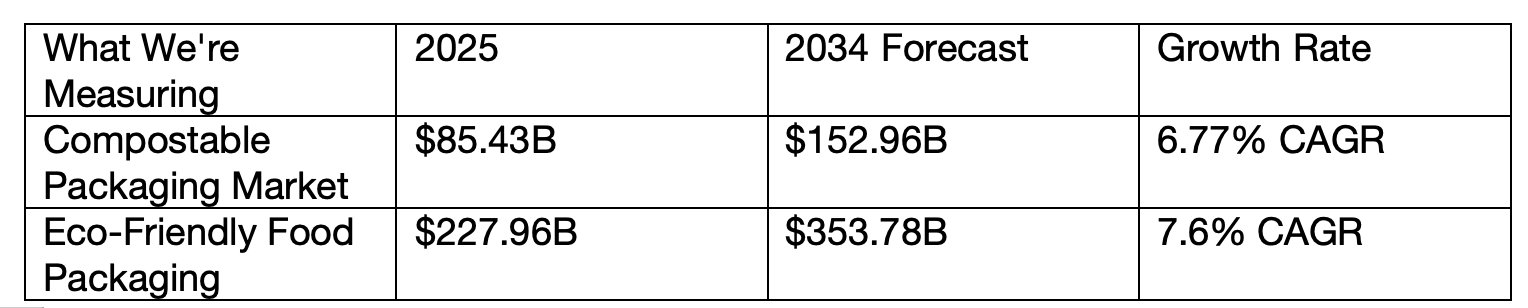
Here's the kicker: compostable materials are growing at 8.2% CAGR—faster than any other sustainable category. That's not a trend; that's a tidal wave.
What's Fueling This?
1. They actually work now: Modern compostables are as tough as plastic (sometimes tougher)
2. Prices are dropping: Scale makes everything cheaper
3. Infrastructure is catching up: More composting facilities = more demand
4. Laws are pushing it: Many places now require compostable options
Know Your Materials
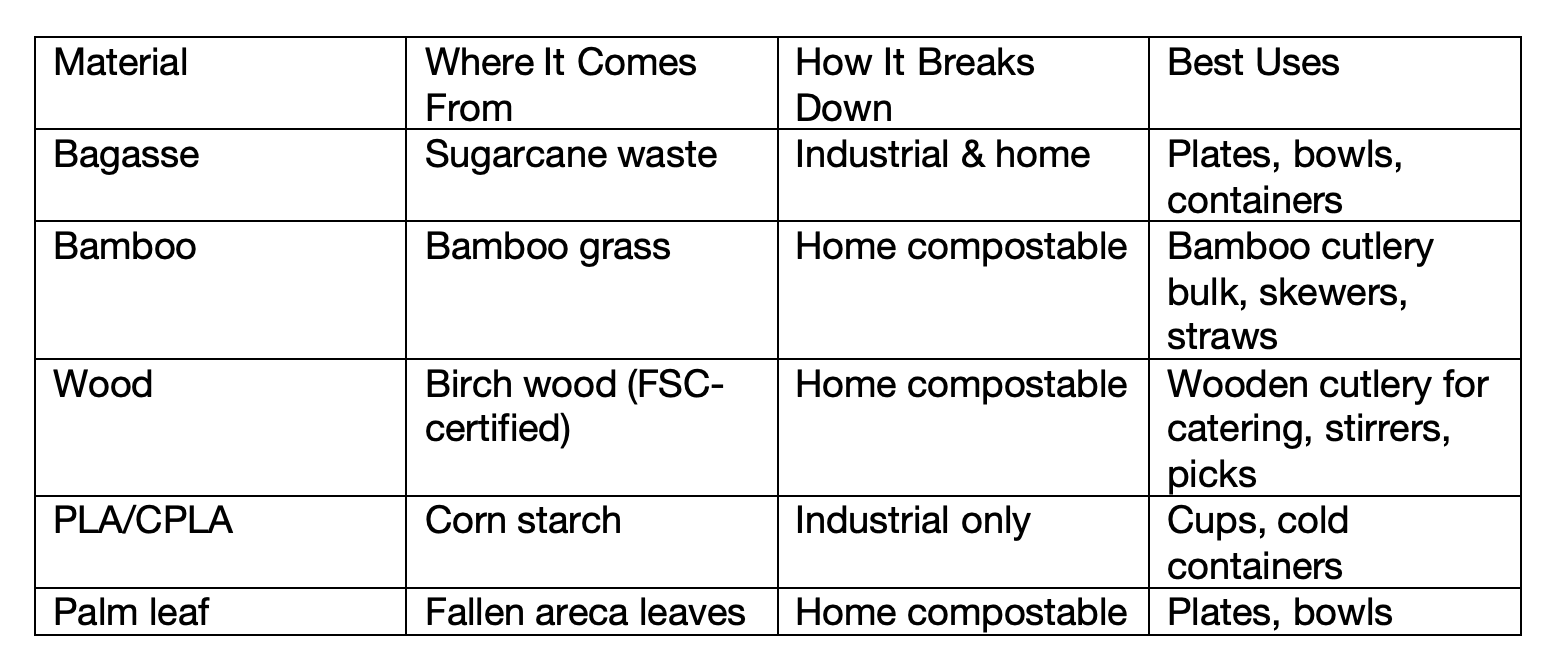
Bottom Line for Your Business
If you're a distributor or wholesaler, here's what this means:
· Time to beef up your compostable product catalog
· Your customers need help understanding disposal (industrial vs. home composting)
· Certifications matter more than ever—know the difference
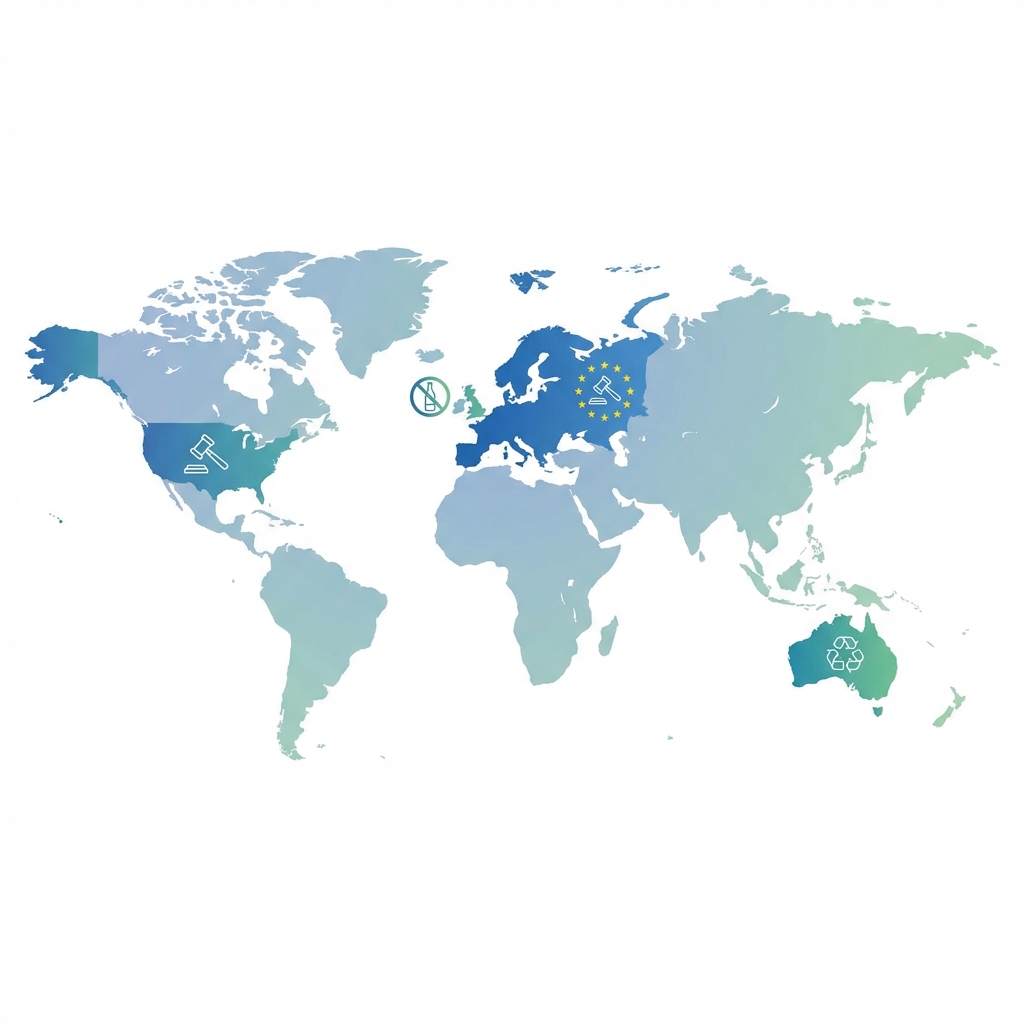
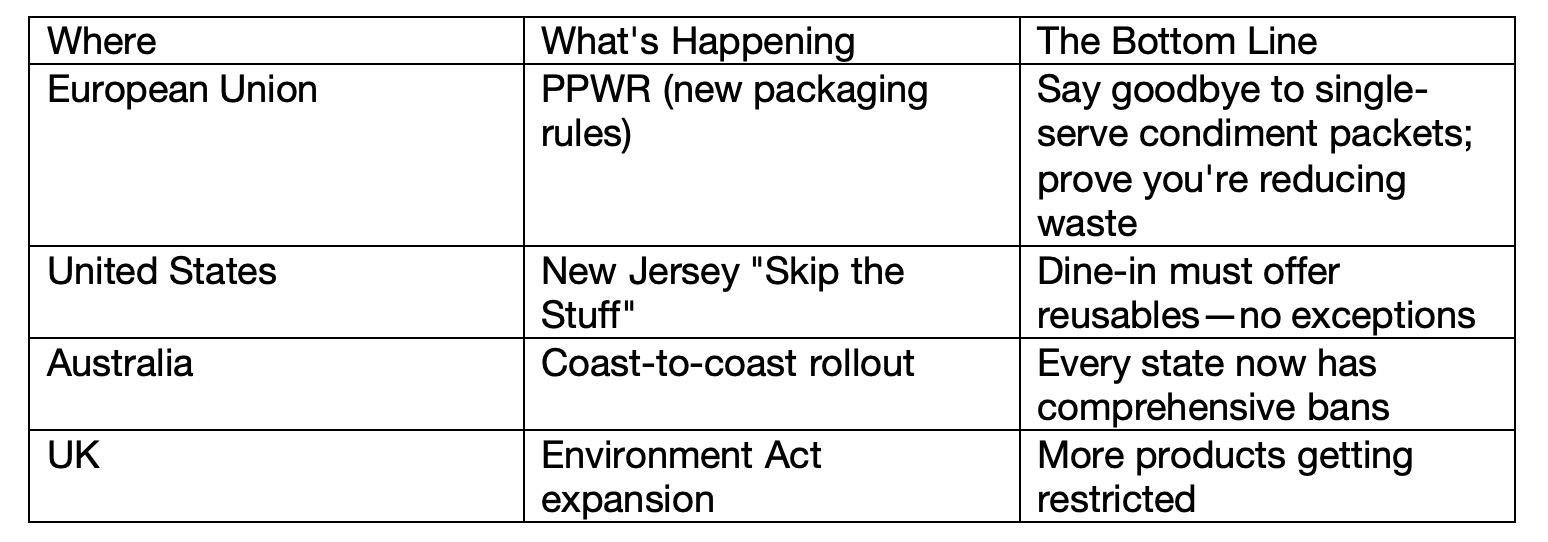
Trend 3: Single-Use Plastic Regulations Are Getting Serious
What's Hitting in 2026
EPR Is Spreading Like Wildfire
Extended Producer Responsibility (translation: you pay for your packaging's end-of-life) is going global:
· Already live: France, Germany, Spain, Netherlands
· Coming in 2026: More EU countries, UK expansion
· On the horizon: US states, Canadian provinces
What This Means for Your Sourcing
1. Paper trails matter: Get your compliance docs in order—EN 13432 certified tableware records are becoming essential
2. Go natural: Materials like wooden cutlery and birch wood cutlery face way fewer headaches
3. Think end-to-end: Recyclability and compostability need to be baked in from day one
4. Budget for change: EPR fees are coming for plastic—plastic ban compliant alternatives are your safer bet long-term
Trend 4: B2B Buyers Want Sustainable Proof, Not Green Promises
The BS Detector Is On
Today's buyers—whether B2B or B2C—have zero patience for vague green claims. They want:
· Real numbers, not fluffy marketing speak
· Third-party certifications (if it's not verified, it doesn't count)
· Full transparency on where stuff comes from
· Actual environmental impact, not greenwashing
What Buyers Actually Care About

The Opportunity Here
Packaging used to be a cost to minimize. Now it's a brand statement. Premium eco-friendly tableware tells your customers:
· "We care about the environment"
· "We don't cut corners"
· "We respect you enough to use nice stuff"
· "We're thinking ahead"
That's worth paying for.
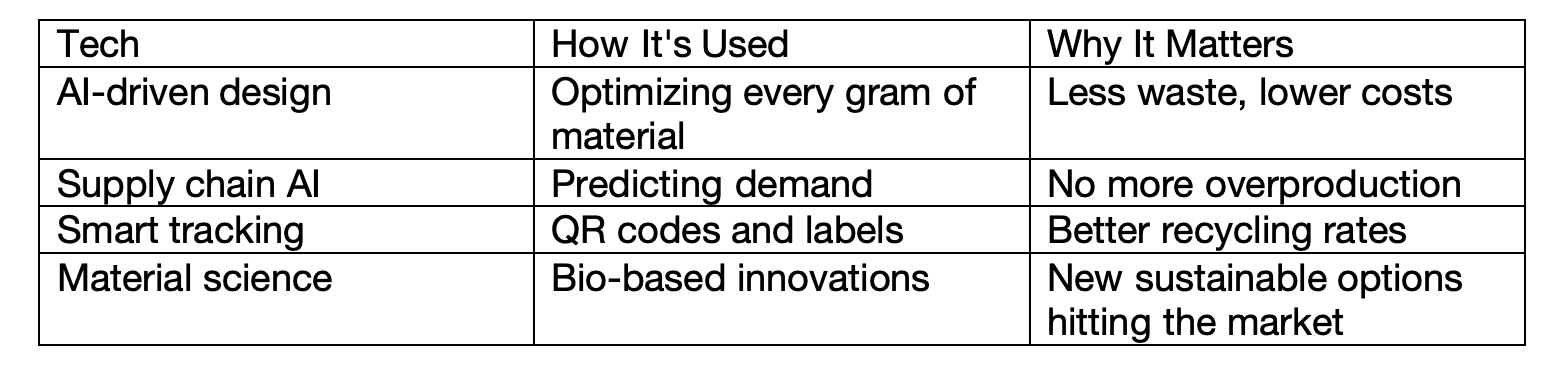
Trend 5: Smart Packaging Tech Is Quietly Revolutionizing Everything
Smart Packaging Is Real Now
Technology is changing how packaging gets designed, made, and managed:
What Smart Buyers Are Doing
You can ride this wave by:
· Partnering with suppliers who invest in innovation (not just the cheapest option)
· Choosing packaging with clear disposal guidance
· Picking products designed for recyclability from the start
· Keeping an eye on emerging materials
Trend 6: Reusable and Biodegradable Cutlery Are Both Winning
It's Not All or Nothing
Disposables aren't going anywhere, they're essential for takeout and delivery. But reusable systems are growing in specific spots:

The Smart Play: Hybrid
The savvy operators are mixing it up:
· Reusable for dine-in regulars
· Premium disposable (wooden cutlery bulk order, bamboo) for takeout
· Compostable cutlery for events and delivery
Best of both worlds—practical sustainability.
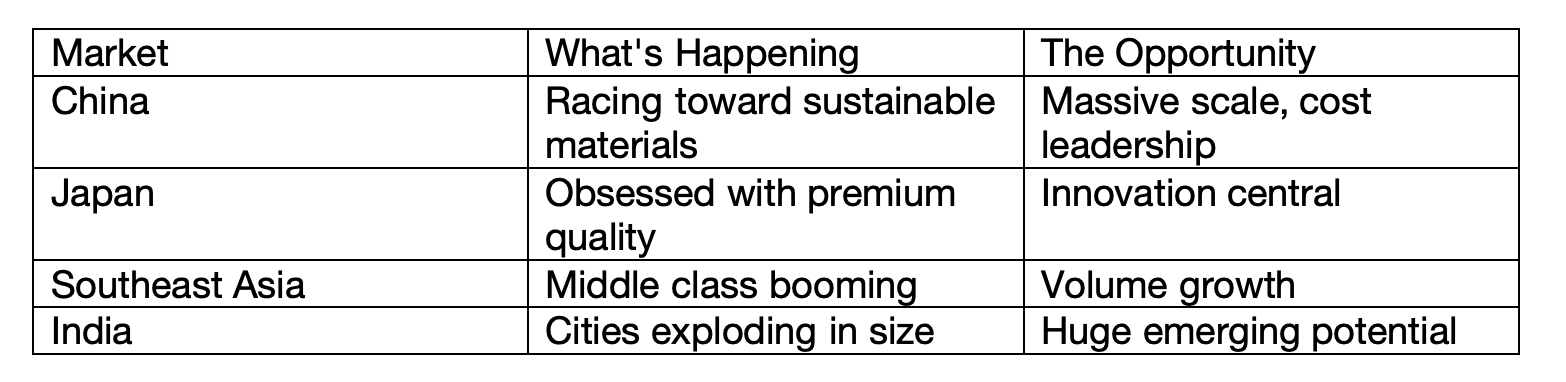
Trend 7: Wooden Cutlery Sourcing from Asia-Pacific Is Booming
The Region to Watch
Asia Pacific is reshaping the entire global packaging game:
What This Means for Sourcing
For B2B buyers, Asia-Pacific is a goldmine:
· Competitive manufacturing for wood, bamboo, and paper—many smart buyers import wooden cutlery from China for serious cost advantages
· Raw materials galore: Bamboo, bagasse, palm leaf all sourced locally
· Innovation hubs: New materials getting developed constantly
· Scale discounts: Partnering with the right wooden spoon manufacturer can slash your costs
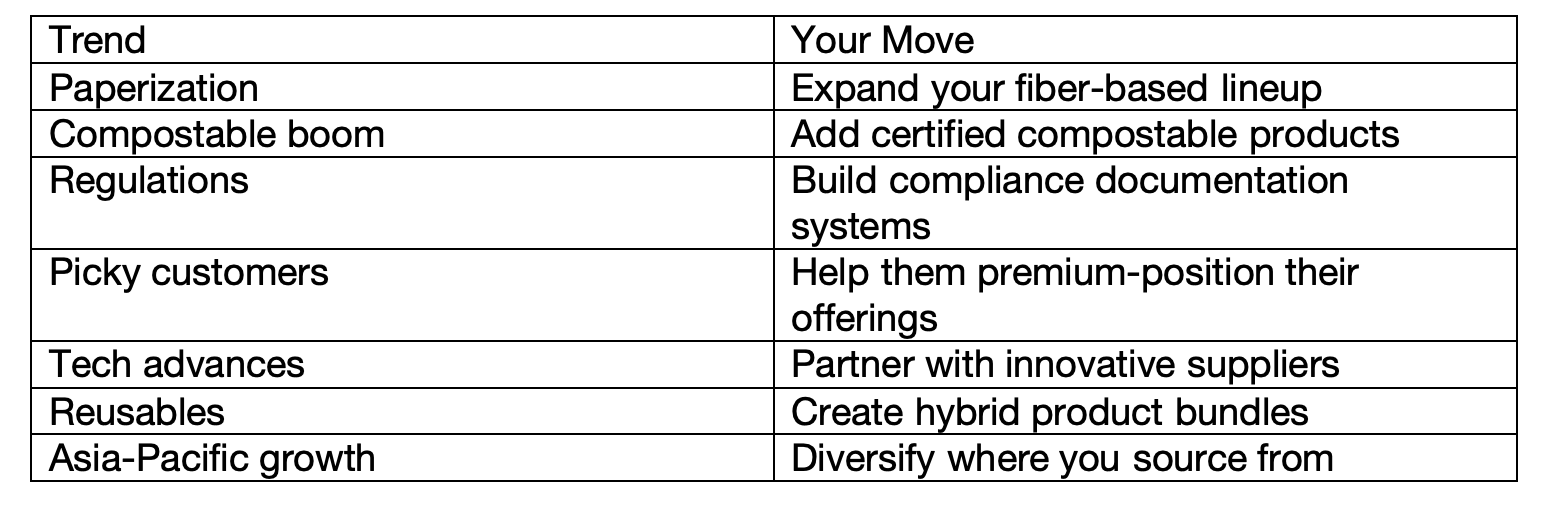
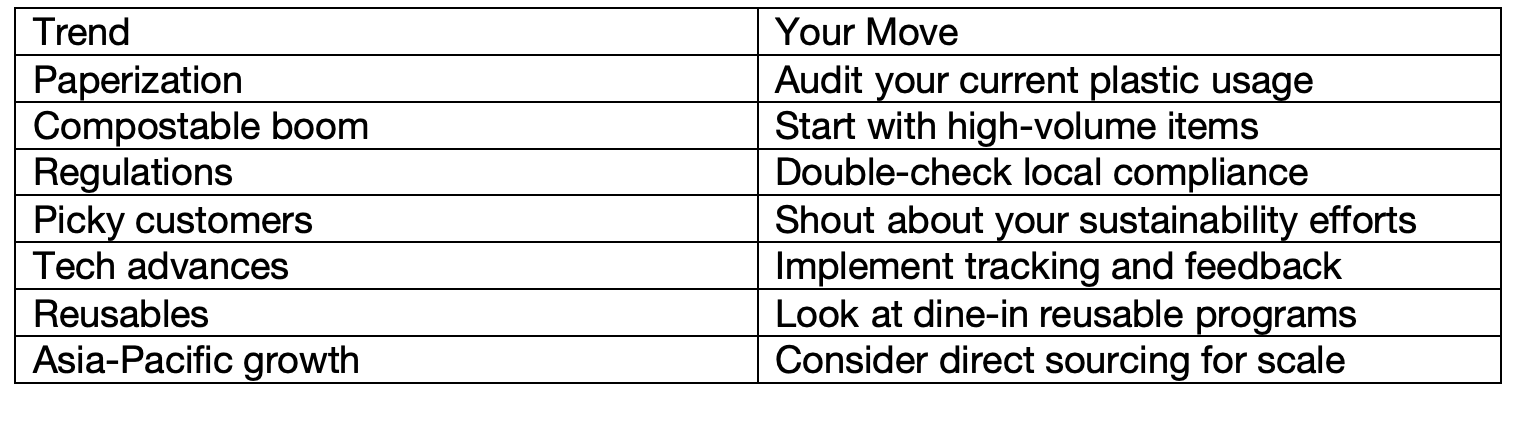
How These Eco-Friendly Tableware Trends Affect Your Business
If You're a Distributor or Wholesaler
If You're a Food Service Operator
Your 2026 Sustainable Food Service Sourcing Checklist
Ready to get ahead of all this? Here's your action checklist:
Right Now (This Quarter)
· Audit your product mix against these trends
· Figure out which regulations apply to your markets
· Request samples of trending materials (bagasse, bamboo, wood)
· Check your suppliers' sustainability certs
Next 6 Months
· Build out your compostable product category
· Get your compliance documentation game tight
· Train your sales team on the trend messaging
· Test premium positioning with key customers
By End of 2026
· Complete your plastic-to-sustainable transition
· Plan for EPR costs where they apply
· Lock in Asia-Pacific sourcing relationships
· Launch customer education on disposal
Why Partner With a Trusted Wooden Cutlery Supplier?
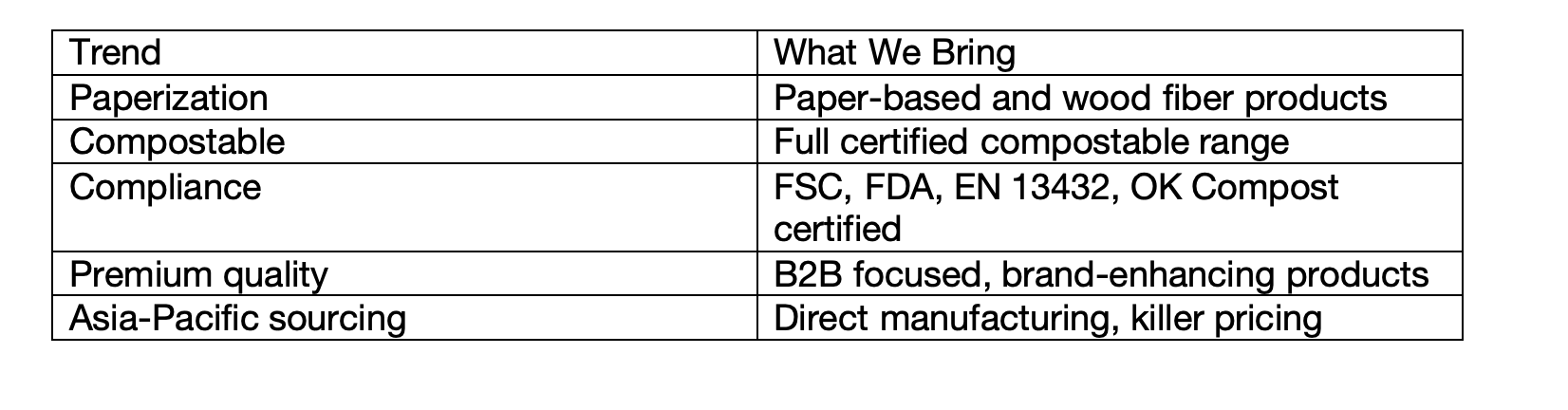
We've been in this game since 1995—long before "sustainable" was a buzzword. Here's how we line up with every trend:
Trend Alignment
Our Product Line
Our complete sustainable tableware collection includes:
· Wooden Cutlery: Spoons, forks, knives across all sizes (96mm-190mm) including 140mm wooden spoon and 160mm wooden fork
· Bamboo Products: Natural bamboo chopsticks wholesale, bamboo skewers, straws
· Specialty Items: Wooden coffee stirrers, wooden ice cream spoons bulk, bamboo burger sticks
· Plates and Bowls: Multiple materials, multiple sizes
What You Get as a Partner
· Volume-based pricing (the more you buy, the better it gets)
· Custom branding and packaging options
· Full compliance documentation package
· Dedicated B2B support and logistics
The Future of Disposable Tableware Is Green
The foodservice packaging world is flipping from plastic-first to sustainability-first—and it's happening faster than most people realize. By the end of 2026, these seven trends will separate the winners from the also-rans.
The businesses that'll come out on top are the ones that:
· Lean into the change instead of fighting it
· Invest in quality sustainable alternatives
· Build real partnerships with forward-thinking suppliers
· Actually communicate the value to their customers
Natural materials like wood and bamboo remain the gold standard—they check both the compliance box and the customer appeal box. As regulations get tighter and expectations climb higher, premium eco-friendly disposable tableware isn't just nice to have anymore. It's table stakes.