A practical look at bagasse cups, portion cups, sauce cups, and bagasse cup wholesale choices for tasting, sides, sauces, and sampling.
Summary: Bagasse cups and portion cups make sense when the food portion is small, the presentation should feel molded-fiber rather than plastic, and the buyer can confirm moisture, oil, lid need, and claim wording at SKU level.
What does this packaging term mean?
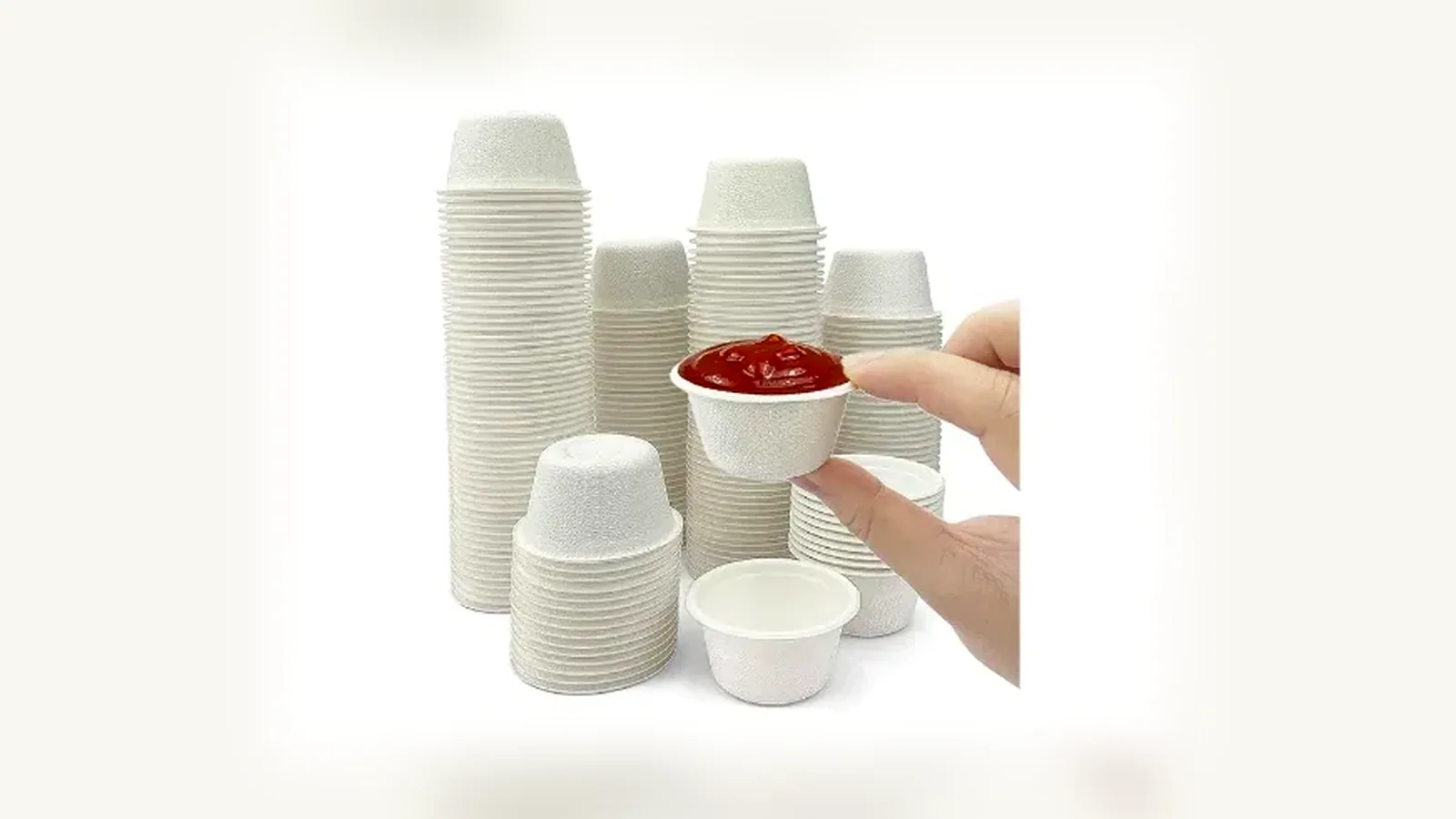
Bagasse cups are small molded sugarcane-fiber cup formats used for sauces, samples, tasting portions, condiments, desserts, and side items in foodservice programs.
What is the short answer?
Use bagasse cups when the portion is small, the service window is controlled, and the food type is suitable for the finished cup. They are most useful for sauces, samples, tasting menus, condiments, small desserts, and prepared side portions.
TOGO can place bagasse cups wholesale beside bagasse bowls with lids options when a buyer wants a full portion family, from sauce cups to larger takeout bowls.
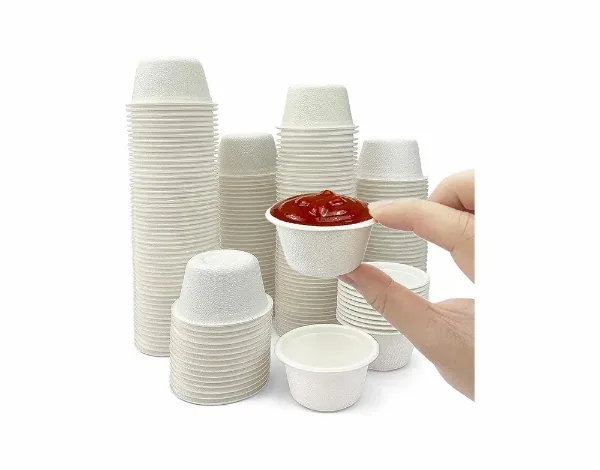
Why do sauce cups need their own review?
A sauce cup can look simple, but sauces vary widely. Oil, acidity, viscosity, salt, and holding time all change how the cup performs. A dry sample on a desk does not show the same behavior as a filled cup in a real service tray.
The FDA food-contact guidance helps frame the cup as food-contact packaging, so the review should stay tied to the actual food and intended use rather than to the material name alone.
How should buyers talk about bagasse cup claims?
The word bagasse describes the fiber origin, not every disposal outcome. If the buyer wants compostable or biodegradable wording, BPI guidance on biodegradable and compostable wording and the FTC Green Guides support using qualified language that follows the finished product and disposal route.
This is especially important for export programs where a distributor may sell the same cup into several cities or countries with different collection systems.
What makes a bagasse cup quotation clear?
A clear inquiry includes cup volume, food type, lid need, whether the cup will be filled in advance, packing count, carton marks, and claim wording. If the buyer needs a family of containers, TOGO can align portion cups with bowls and larger food containers.
The sample review should include the actual sauce or food, the intended holding time, and the way staff will pack the cup into trays, bags, or boxes.
| Use case | What to confirm | Why it matters |
|---|---|---|
| Sauces and condiments | Oil, acidity, lid, holding time | Small volumes can still stress the fiber wall. |
| Tasting portions | Presentation, size, hand feel, sample count | Events need consistent portion control. |
| Desserts or sides | Moisture, chilled storage, stacking | The food may sit longer before service. |
What questions do buyers usually ask?
Are bagasse portion cups leakproof?
Leak behavior depends on food type, holding time, cup design, and lid fit. Sample testing with the real sauce is recommended.
Can bagasse cups replace plastic sauce cups?
They can in some programs, but the buyer should confirm food type, service time, lid need, and price expectations.
Can TOGO quote mixed cup and bowl programs?
Yes. Send the desired size range, food applications, and packing plan so TOGO can review a matched set.
What should you send for a TOGO quotation?
For bagasse cups, send capacity, sauce or food type, lid requirement, service time, packing count, and destination market. TOGO can prepare samples that match the real service condition.