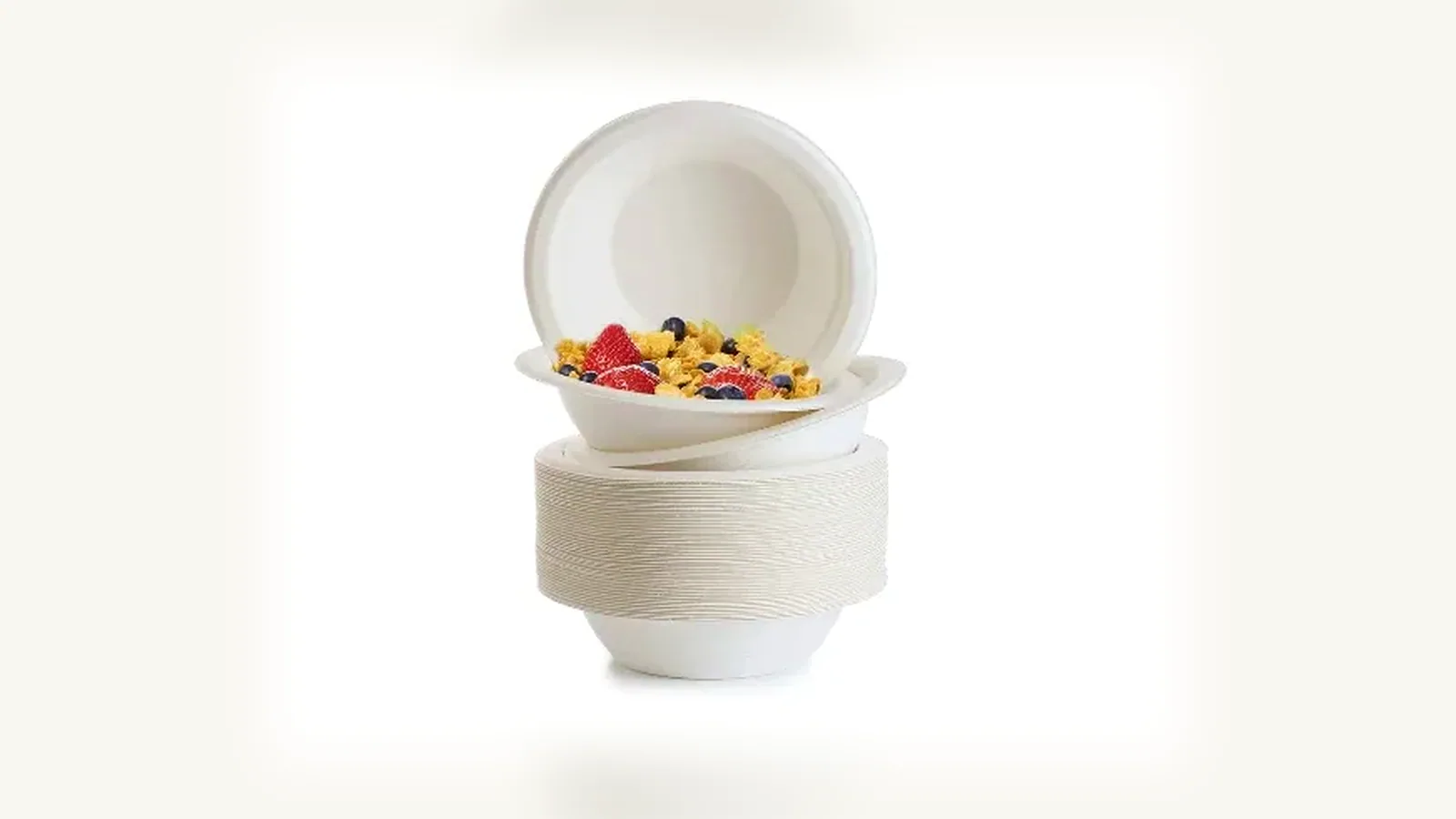
A buyer-focused guide to bagasse bowls with lids, sugarcane bowls, and bagasse bowl wholesale programs for takeout and prepared foods.
Summary: Before ordering bagasse bowls with lids, buyers should confirm bowl size, lid material, food type, moisture and oil exposure, stacking, claim wording, and the documents available for the finished SKU.
What does this packaging term mean?
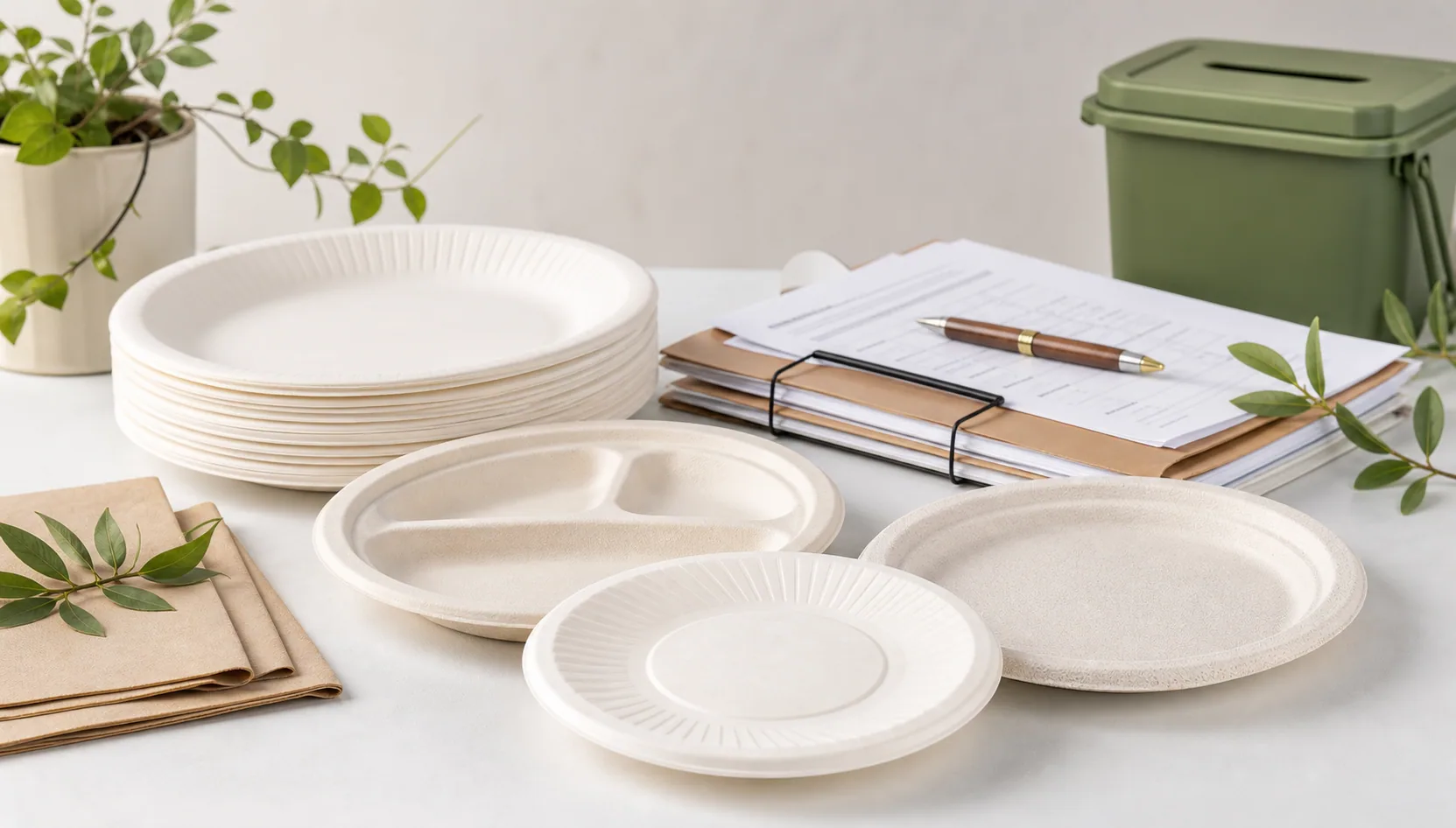
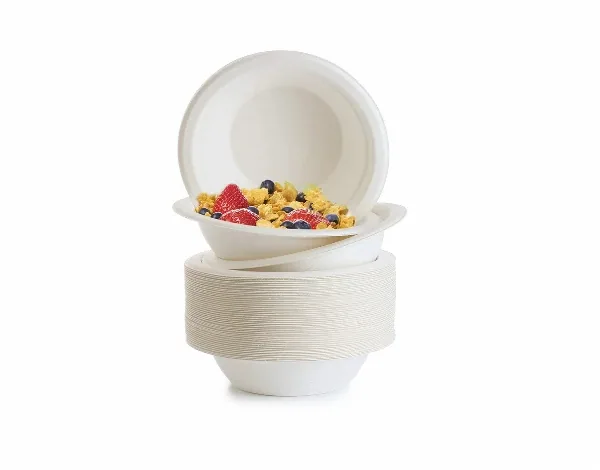
Bagasse bowls with lids are molded sugarcane-fiber bowl formats paired with compatible lids for prepared food, salad, rice bowls, desserts, and takeout programs.
What is the short answer?
Buyers should check size, lid fit, food type, holding time, oil or moisture exposure, destination-market wording, and whether the finished bowl and lid set has the documents needed for its claims.
TOGO connects bagasse bowls with lids with related bagasse food containers formats so a distributor can compare bowl depth, lid material, carton count, and sample behavior before a bagasse bowl wholesale order is confirmed.
Why should the lid be checked separately from the bowl?
A bagasse bowl may be chosen for its molded-fiber feel, but the lid often controls how the food travels. A PET lid, paper lid, or molded-fiber lid can change visibility, stacking, and claim wording. The bowl and lid should be reviewed as a pair.
Food-contact logic still applies. The FDA food-contact guidance helps keep the discussion grounded in intended contact with food rather than a general material nickname.
How should PFAS and compostability wording be handled?
PFAS wording should be product-level. The FDA PFAS food-contact update notes that PFAS can also appear as impurity or contaminant, so a buyer should avoid treating a material name as automatic proof. Finished-product test documents are stronger than category language.
Compostability language also needs care. BPI certification is connected to recognized compostability standards and eligibility rules, as described by BPI compostability certification guidance. The FTC Green Guides supports using qualified wording instead of broad environmental claims.
What sample conditions make the review more useful?
Test the actual food, not only water. Sauces, oil, rice, salad dressing, steam, and delivery time all stress the bowl differently. The sample should also be stacked and opened the way staff will handle it.
TOGO can prepare samples when the buyer shares capacity, food type, lid preference, packing count, label wording, and destination market. That information makes the quotation practical instead of theoretical.
| Review point | Why it matters | Useful detail for TOGO |
|---|---|---|
| Bowl size and depth | Controls portion fit and lid clearance | Menu item, target capacity, fill level |
| Lid material | Changes visibility, stacking, and claim wording | PET, paper, molded-fiber, or other preference |
| Claim wording | Needs finished-SKU support | PFAS wording, compostability needs, destination market |
What questions do buyers usually ask?
Are bagasse bowls with lids automatically compostable?
No. Compostability depends on the finished product, lid material, certification scope, and local composting conditions.
Can bagasse bowls be used for oily foods?
They may be suitable for some oily foods, but oil type, holding time, lid fit, and product documents should be reviewed by SKU.
Can TOGO help review PFAS wording?
TOGO can share available product documents and help keep wording tied to the finished SKU instead of a broad material claim.
What should you send for a TOGO quotation?
Send the bowl capacity, food type, lid preference, claim wording, quantity, packing style, and market. TOGO can match bagasse bowl samples and available documents for review.