Understanding the Material
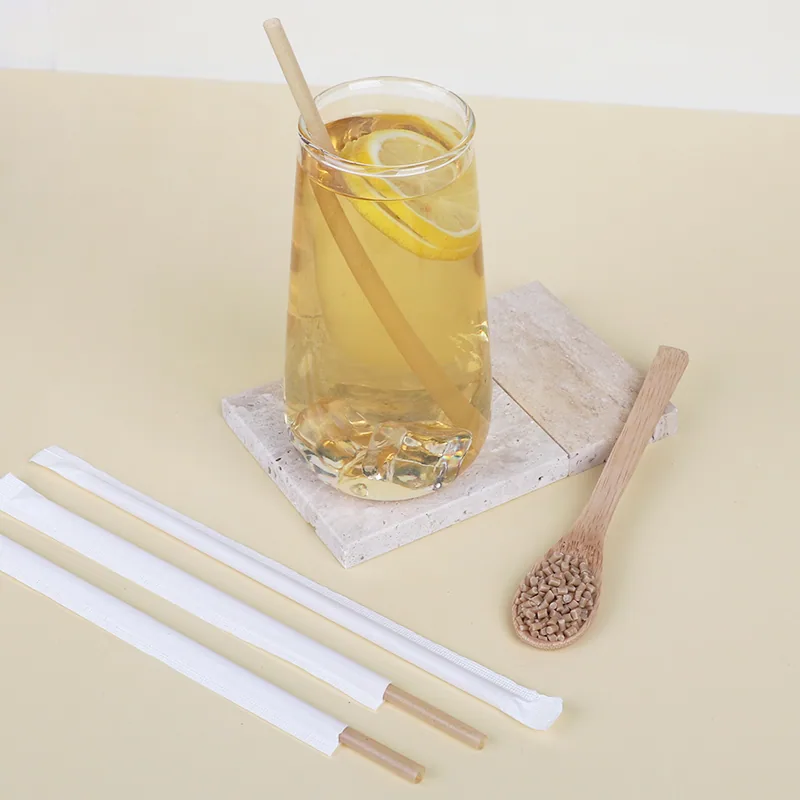
A common question among beverage operators is, what are pla straws exactly? PLA (polylactic acid) is a bio-based polymer derived from renewable resources such as corn starch or sugarcane. When manufactured into a drinking straw, it looks, feels, and performs almost exactly like conventional petroleum-based plastic—provided the beverage is cold. These pla plastic straws have become the most established option in the bio-based market because they solve the most immediate functional problem associated with paper straws: they simply don't get soggy. Plant-derived does not mean biodegradable or compostable by default. The EPA notes that biobased plastic is not automatically biodegradable or compostable. PLA is a material origin story, not a disposal instruction.
Safety and Temperature Limits
When operators ask, are pla straws safe, the answer is yes: PLA is entirely food-safe for cold beverage contact. However, it is crucial to understand its low heat tolerance. If a standard PLA straw is placed in hot coffee or tea (typically anything above 40°C / 104°F), it will inevitably begin to warp, soften, or melt.
This represents a firm operational boundary. If your menu includes hot drinks that require straws, or if your straws are stored on a counter exposed to direct, intense summer sunlight, standard PLA might not be the right fit. It is strictly designed and tested as a cold-drink solution.
Why Cold-Drink Programs Choose PLA
The primary driver for PLA adoption centers squarely on the customer experience. If a cafe serves a premium $6 iced latte, a straw that collapses after 15 minutes fundamentally damages the perceived value. PLA, on the other hand, maintains its rigidity for hours. For example, we frequently supply clear PLA straws to juice bars where showing the bright, natural colors of the beverage is key, and solid white or black PLA straws to iced-coffee chains seeking a sleek, modern look without the functional compromises of paper.
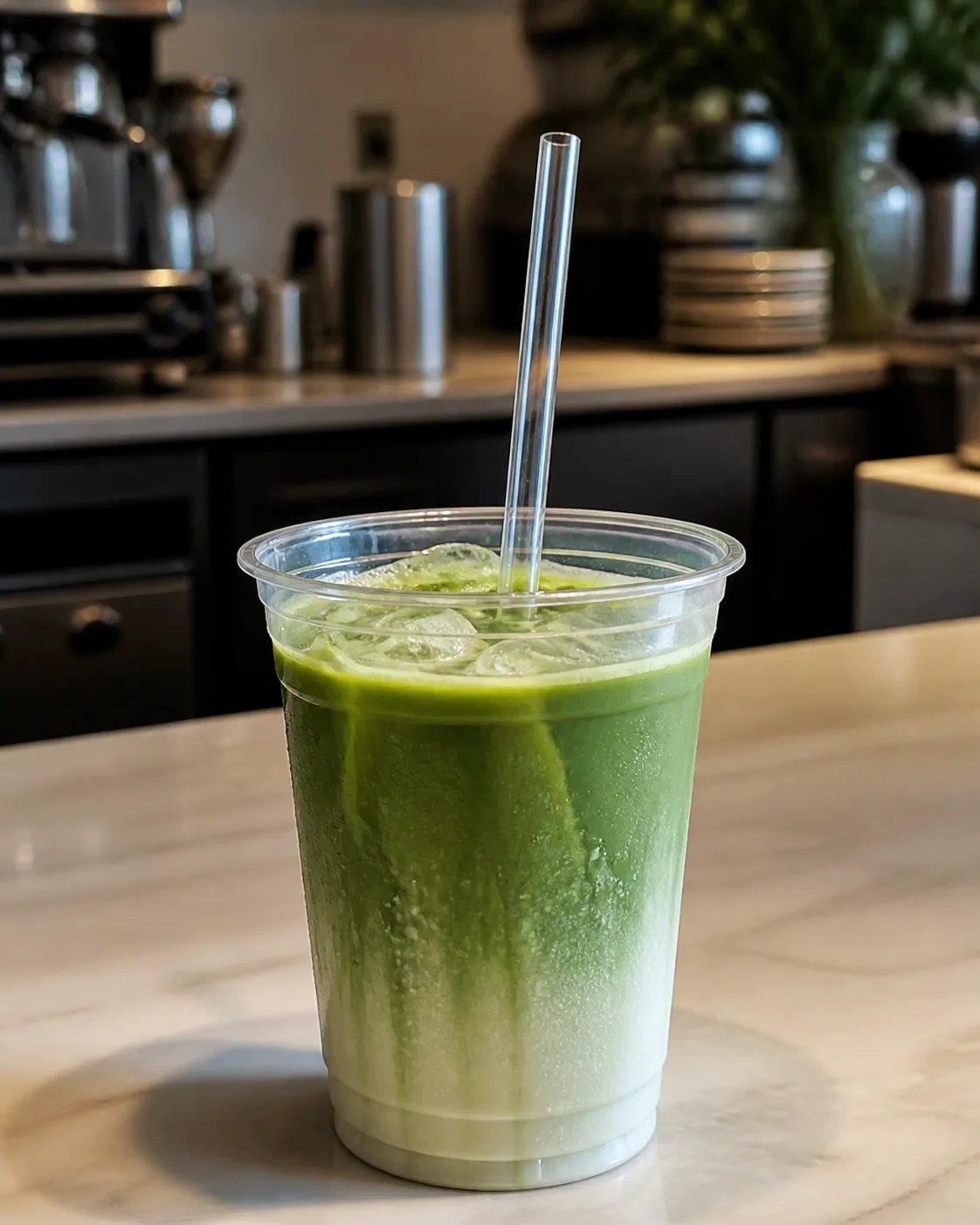 We've seen cafe groups switch to our PLA Cold Drinking White Straw after running through multiple paper straw suppliers because PLA keeps a smoother, more plastic-like feel in iced beverages. Brands wanting a clearer look often test the PLA Translucent Sugarcane Bagasse Straw. For a natural or craft visual identity, the PLA Bamboo Powder Straw and PLA Coffee Grounds Straw offer visible fiber textures that photograph exceptionally well for brand storytelling.
PLA Cold-Drink Application Table
| Drink Type | Typical Straw Spec | How Long PLA Holds Up | Sample Check Details |
|---|---|---|---|
| Iced coffee / iced tea | Standard diameter and length | Holds structure better than paper in many cold-drink tests | Test with actual ice ratio and cup lid |
| Juice and soda | 6mm diameter | 2+ hours, minimal change | Acidic drinks (citrus, soda) don't affect PLA noticeably in normal service time |
| Smoothies | 8mm bore minimum | 1–2 hours depending on thickness | Run the sample with your thickest blend; check for collapse when drawing hard |
| Boba / milk tea with toppings | 12mm pointed tip | Holds well, but the cut matters more | Test film puncture force with your actual seal film — not all pointed tips pierce cleanly |
| Cocktails / short cups | 6mm, 130–150mm length | Full service window | Match straw length to cup height; a standard 210mm straw in a rocks glass looks wrong |
That is why TOGO quotes PLA straw programs by finished SKU, not by resin name alone.
Sizes, Packing, and Getting the SKU Right
A cold-drink PLA straw sounds like one product. In practice, a single cafe program might need two or three SKUs: a standard 6mm×210mm wrapped straw for takeaway iced coffee, an 8mm unwrapped straw for dine-in smoothies, and a 130mm short straw for espresso tonic.
First-time buyers often make the mistake of approving the material from a basic sample set, only to discover at production that the diameter doesn't fit their lid, or the wrapper adds 2mm to the outer dimension and jams in the dispenser. We strongly recommend testing the physical straw with the final cup, lid, and actual drink. SKU naming also matters: ambiguous naming creates costly reorder errors, which is why we meticulously label each SKU with diameter, length, color, and wrapper status on every quote. We encourage buyers to browse our full PLA Straws Wholesale range to see exactly how different specifications naturally map to different beverage programs.
A Practical Reality Check on PLA
PLA is plant-based. That's a material fact. It is not a compostability claim, not a "plastic-free" statement, and not a disposal instruction.
PLA straws may carry compostability wording when the finished product has supporting evidence — typically an ASTM D6400 test report or a BPI compostability certification — and when the destination market has facilities that accept PLA foodservice items. Many cities don't. Some do but won't take straws specifically.
For most cold-drink programs, the strongest message isn't environmental. It's practical: this straw feels good, holds up in iced drinks, and replaces the paper straw your customers didn't like. If your market supports composting claims, those can be added to the wrapper with proper documentation. If not, you still have a functional, plant-based cold-drink straw — and that's a real selling point on its own.
Navigating Cold-Drink Sourcing Decisions
Sourcing the right bio-based straw naturally brings up nuanced questions. For instance, operators often wonder if PLA is technically "plastic." It is indeed a bioplastic—derived from plant starch rather than petroleum. Because of this, describing PLA straws simply as "plastic-free" requires careful, market-specific review. A much clearer and safer description is "plant-based PLA," provided your product documents support it.
This same precision applies to end-of-life claims: the material name "PLA" does not inherently mean "compostable" without product-level evidence (such as ASTM D6400 testing) and an accepted local composting facility. Functionally, however, PLA remains an exceptionally strong choice for cold drinks, offering a smoother mouthfeel and stronger structure than paper. But getting the dimensions right is critical—while standard 6mm or 8mm options are great for iced coffee, a 12mm diameter with a sharp pointed tip is mandatory for boba programs to puncture sealing film effectively.
To ensure you get exactly what your menu requires, skip the guesswork and test the physical product. Reach out to the TOGO team with your specific cup sizes, lid types, full drink list, expected service times, wrapper preferences, destination market, and forecast volumes. We will pull the perfectly matched samples from our PLA Straws Wholesale range—whether that means cold-drink white, translucent, an ingredient-look, or a short straw—and build a precise quote around the SKUs that actually elevate your cold-drink program.