
Understanding the Material
PHA (polyhydroxyalkanoate) is a family of bio-based polymers produced through microbial fermentation. When people ask what are pha straws made of, they are referring to this plant-derived base. However, as a finished product, a PHA straw encompasses much more than just its resin. It involves a specific diameter, length, cut style, color or ingredient look, packing format, and supported environmental claims. The straw evaluated in an iced coffee is a functional product, not merely a chemistry lesson.
Why PHA Straws Are Getting Attention
Paper straws addressed the optics of single-use plastics, but watching a paper straw collapse in an iced mocha after 20 minutes reveals a clear customer experience gap. PLA filled some of that gap for cold drinks by offering rigidity closer to conventional plastic. PHA enters the conversation when buyers want something beyond both: a bio-based material with a broader biodegradation story and a look that avoids feeling like a compromise. In a direct pha vs plastic straw comparison, PHA often provides a strong sustainability narrative while maintaining the operational feel of traditional plastic.
This shift is noticeable across many accounts. Cafe groups that started with PLA two years ago are now exploring PHA for seasonal menus or premium drink lines. Hotel purchasing managers are increasingly selecting PHA for room-service trays because the wrapped presentation and material narrative fit a high-end guest experience that paper simply cannot match.
Matching PHA Straws to Drink Programs
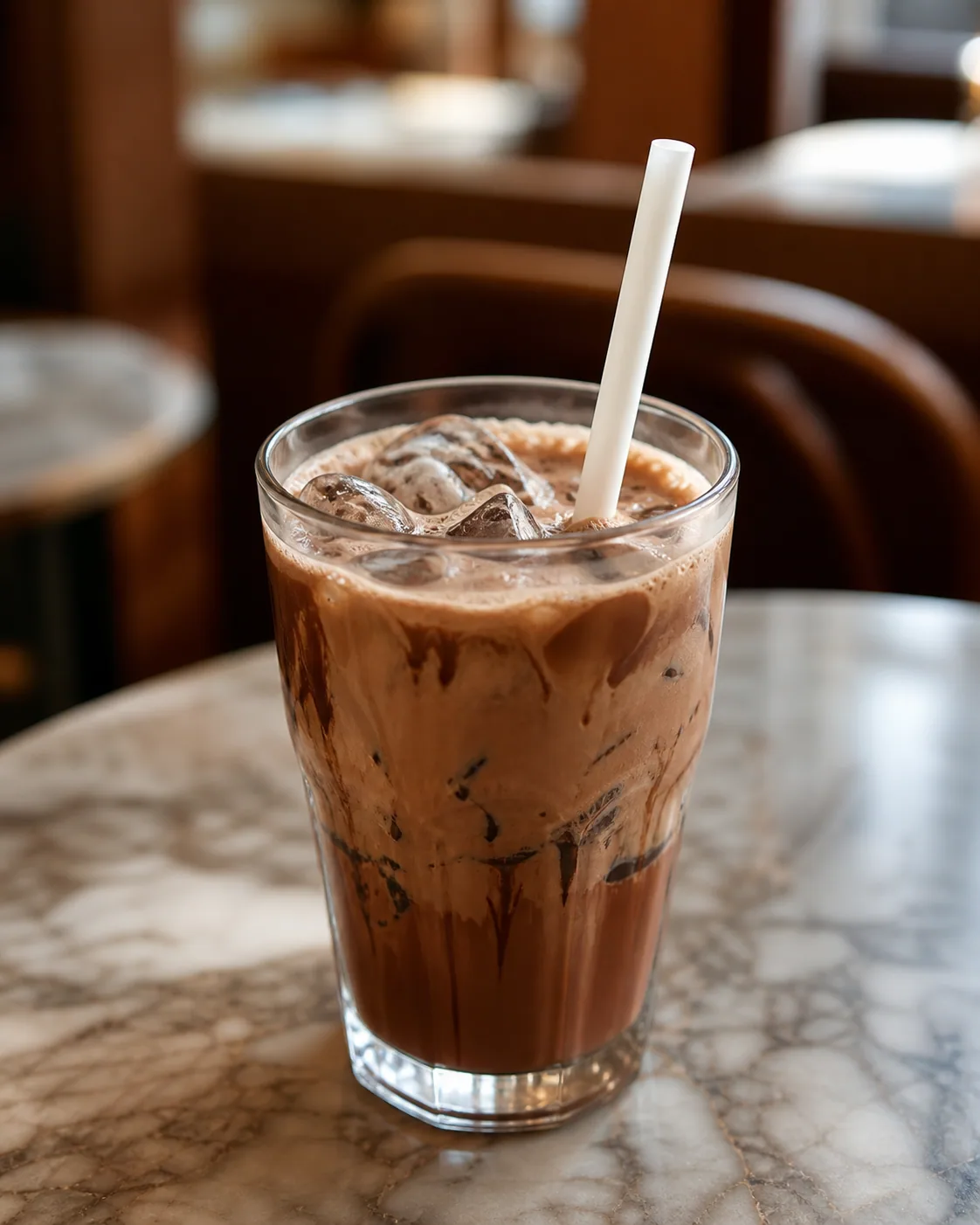
Different beverages highlight different aspects of pha straw performance. For iced coffee and tea, a 6 mm PHA straight-cut straw maintains its structure well for 45–60 minutes in a cold drink. The smooth mouthfeel offers an experience much closer to conventional plastic rather than paper, providing a clear upgrade in overall customer satisfaction.
For thicker beverages like milk tea and smoothies, bore size is often more critical than the material itself. Chains frequently test our PHA Tea Powder Straw in a standard 8 mm size for basic fruit teas, while opting for a 12 mm pointed-tip straw for boba, which must puncture sealed film cleanly and allow tapioca pearls to pass without jamming.
In the hospitality sector, presentation is paramount. The individually wrapped PHA White Straw offers clean table presentation and a material narrative that hotels can proudly feature in their sustainability collateral. Our complete PHA Straws Wholesale range covers all these applications, allowing operators to sample precise configurations before committing to a bulk production run.
PHA Straw Specs at a Glance
| Spec | Common Range | Typical Application |
|---|---|---|
| Diameter | 6 mm, 8 mm, 12 mm | 6 mm for coffee/juice, 8 mm for tea, 12 mm for boba |
| Length | 180–230 mm | Matched to cup height plus lid clearance |
| Cut style | Straight, pointed tip, flexible bend | Pointed for film-seal boba cups; straight for open-lid drinks |
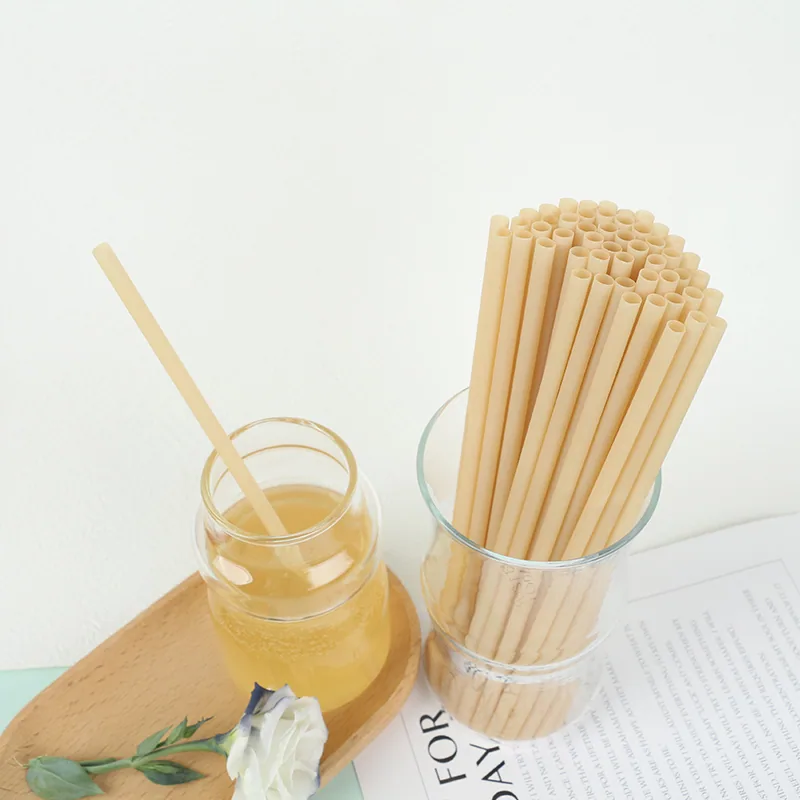
| Color / look | White, sugarcane, bamboo, coffee grounds, tea powder | Chosen for brand visual — not a functional distinction |
| Packing | Bulk, individual paper wrap, custom OPP wrap | Wrapped for hotel/delivery; bulk for high-volume dine-in |
| Typical MOQ | 50,000–100,000 pcs per SKU (varies by customization) | Lower for stock items; higher for custom wrapper printing |
The Ingredient Looks: Sugarcane, Bamboo, Coffee, Tea
This is where PHA gets interesting for brand teams. A PHA Coffee Grounds Straw has a warm, speckled brown tone that cafes love pairing with espresso drinks. We've seen specialty roasters use it as a subtle brand extension — the straw echoes the product without needing a logo. Bamboo-powder PHA straws carry a natural, muted green-tan that hotels and juice bars gravitate toward. Sugarcane-look PHA, like the PHA Sugarcane Bagasse Straw, reads as earthy and unbleached.
One thing to keep clear: these are visual presentations, not separate materials. A "coffee grounds" PHA straw is still a PHA-based polymer straw with coffee-ground powder blended in for appearance. It's not a radically different product, and the ingredient name on a shelf card or wrapper shouldn't imply disposal properties that the finished product hasn't been tested for. Keep the visual appeal up front, and let any environmental language match your actual documentation — the FTC's Green Guides hold marketers to that standard.
Testing in Real-World Conditions
Evaluating the straw in the actual beverage provides a much more accurate assessment than simply examining a dry sample. A dry straw reveals very little about its true service life in a busy cafe environment.
A reliable testing protocol involves placing the straw into the target drink, using the specific cup and lid, and checking it at 15, 30, and 45-minute intervals. During this time, it is helpful to note the stiffness, any signs of softening, potential taste transfer, and how easily the wrapper opens. For boba applications, adding a puncture test is essential—the tip should pierce the cup film cleanly in one push without cracking or splintering.
Occasionally, a 6 mm straw might be tested in a boba drink, leading to the conclusion that the material is at fault. In reality, a 12 mm bore is simply required for that application. Recognizing that material and diameter are two separate variables ensures a more accurate evaluation.
Moving Forward with Your PHA Straw Program
We treat PHA as a highly versatile product range, not a single rigid item. While operators often ask if it is technically "plastic," it is a bio-based polymer produced through microbial fermentation, making it behave distinctly differently from conventional petroleum plastics in regulatory terms. This versatility means one buyer might need unwrapped 6 mm straws for high-volume dine-in coffee, while another requires custom-printed 8 mm wrappers for a hotel chain, or even stiff 12 mm pointed-tip straws to puncture sealed boba film.
Because every beverage program is unique, physical testing is critical. A sample set can mix different ingredient looks—like the natural aesthetic of our PHA Coffee Grounds Straw or the PHA Tea Powder Straw—in one diameter so you can compare aesthetics, or mix diameters in one specific look to test actual drink fit.
When evaluating our PHA Straws Wholesale options, we recommend finalizing your core drink program first. Tell us what beverages you serve, your cup and lid dimensions, your preferred packing style, and whether you plan to include environmental language on the wrappers. Reach out to the TOGO team, and we will build a tailored sample kit that perfectly matches your real-world service conditions.