Have you ever experienced that awkward moment when you open a delicious hot soup, only to find the spoon provided is too short? You take one sip, and—splash—the spoon slips right into the broth.
It might seem like a small annoyance, but for a restaurant business, it’s a silent profit killer.
According to recent consumer research, 58% of customers are deterred from ordering again if they experience poor packaging or damaged goods. Furthermore, a positive "unboxing" experience—which includes the usability of your disposable utensils—makes customers 50% more likely to make a repeat purchase.
As a restaurant owner, you spend hours perfecting your menu. Don't let a generic, ill-fitting spoon ruin the finish line. Today, let’s decode the anatomy of premium wooden cutlery and use data to help you choose the perfect match for your food.
1. The 10mm Difference: Why Size Is a Quality Issue
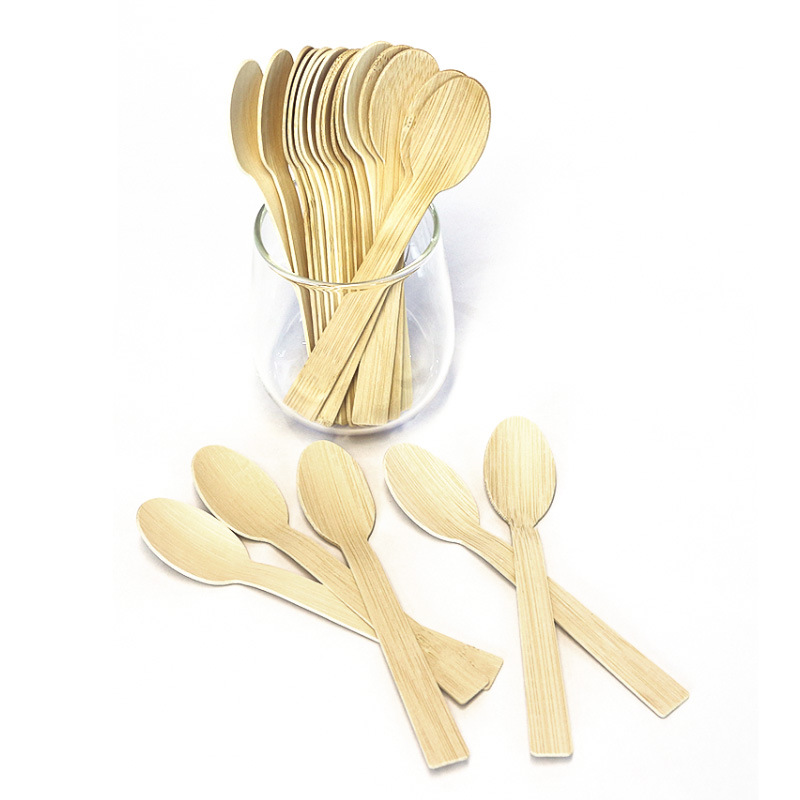
In the world of wholesale cutlery, size isn't just a number on a spec sheet; it’s about ergonomics. Standard disposable wooden spoons typically range from 75mm to over 160mm.
To a procurement manager, a 10mm saving might look like a cost-cut. But to a customer, it feels like a mistake. Using a standard 140mm spoon for deep wooden plates and bowls means the customer's fingers get messy. Industry data shows that 81% of consumers rank "food quality preservation" (which includes how it's eaten) as the top factor in delivery satisfaction. If they can't eat it comfortably, the perceived quality of the food drops.
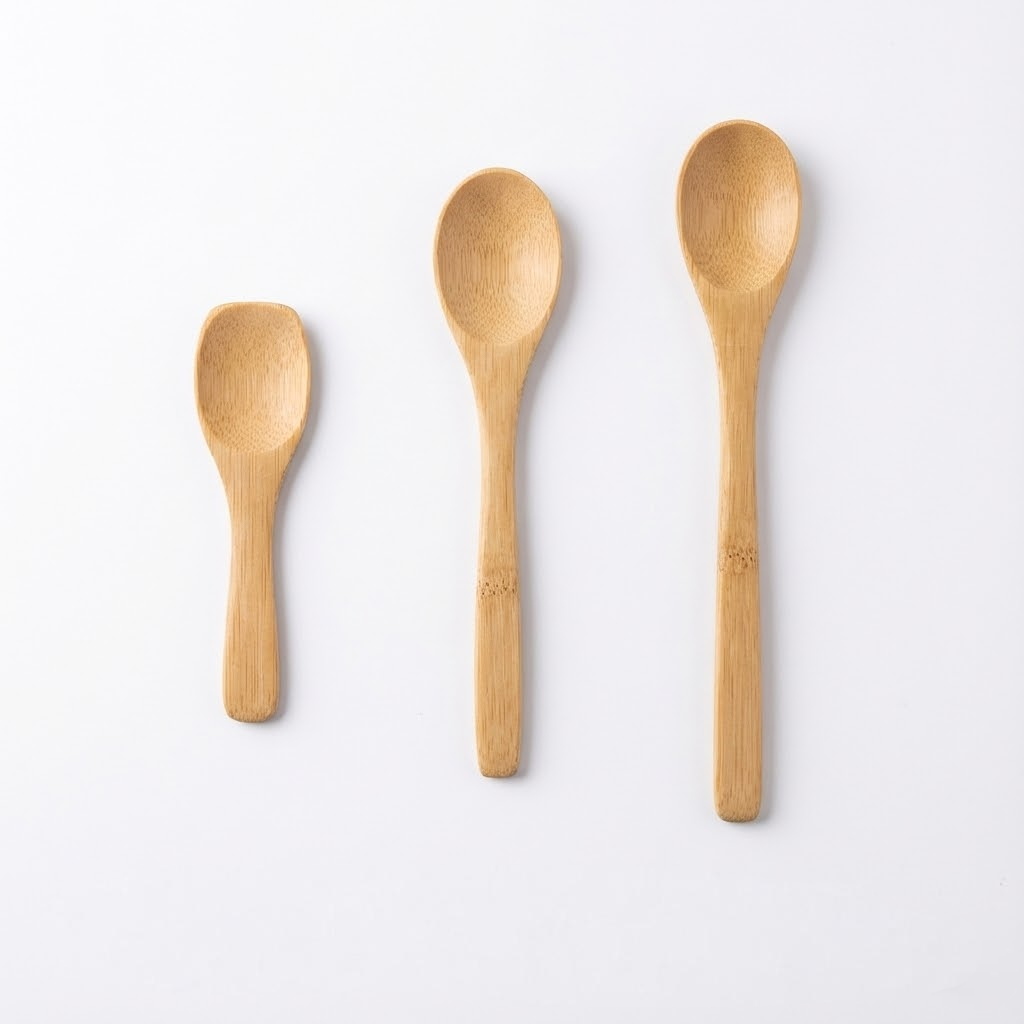
2. The Guide: Matching Spoon Sizes to Culinary Scenarios
To help you navigate your options, here is a breakdown of the standard sizes and their best commercial applications when selecting compostable cutlery.
The Mini Series (75mm – 110mm)
- Best For: Gelato, mousses, sampling stations, and condiments.
- Why It Works: Short handles provide better leverage for dense, frozen treats. A standard long spoon would feel flimsy here. These are the perfect companion if you serve small desserts alongside larger bamboo plates at events.
The Standard Series (140mm – 160mm)
- Best For: Rice bowls, pasta, salads, and general takeout meals.
- Why It Works: This is the industry workhorse. A 160mm spoon is the most versatile piece in any disposable cutlery collection, balancing cost and functionality.
The Long & Heavy Duty Series (165mm – 180mm+)
- Best For: Soups, Ramen, tall beverage cups (smoothies), and deep salad bowls.
- Why It Works: As takeout packaging evolves into deeper wooden plates and bowls to prevent spills, your utensils must adapt.
- Pro Tip: If you serve heavy items like steak bowls, ensure you choose sturdy birch wood options. High-quality wooden cutlery offers a dining experience that rivals metal, ensuring the spoon never snaps mid-meal.
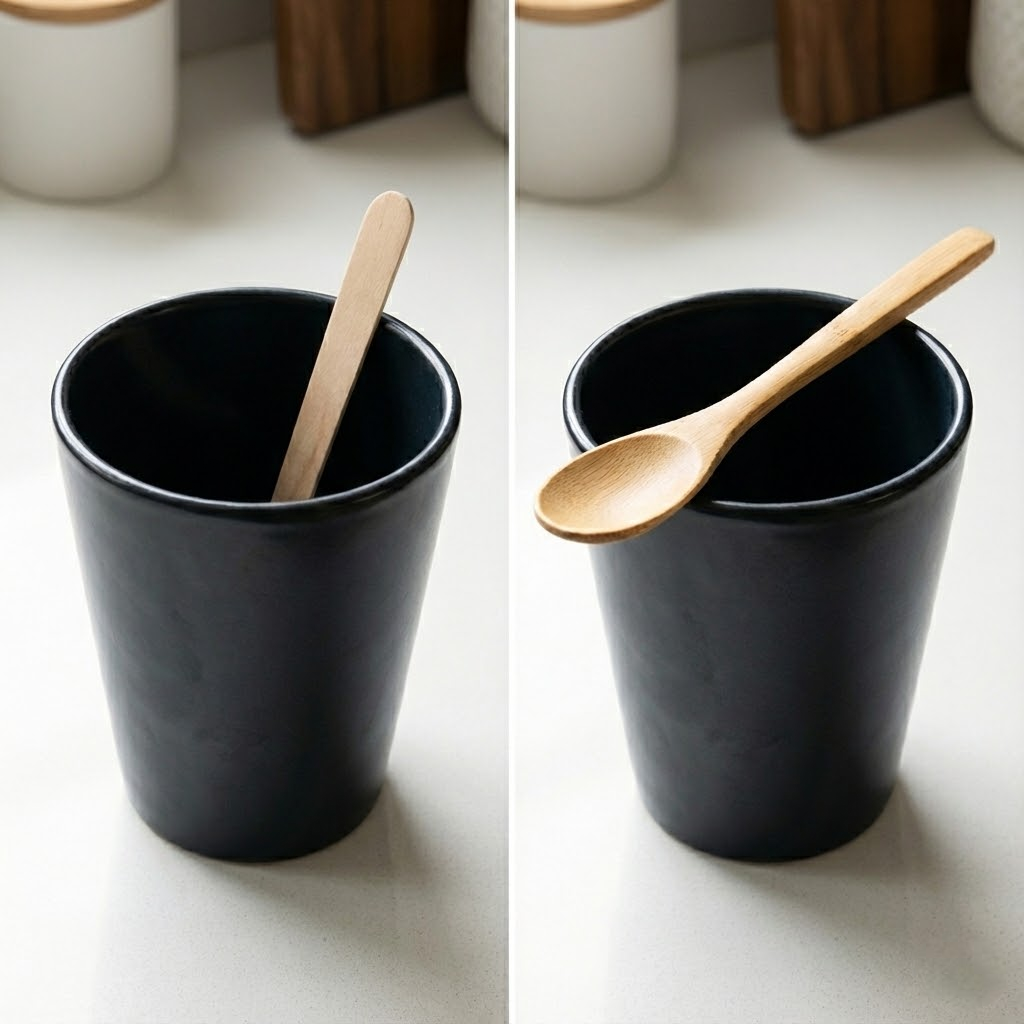
3. Material Matters: The "Willingness to Pay" Myth
Many business owners hesitate to switch to wooden cutlery because of cost. However, the market has shifted.
A 2024 PWC survey found that consumers are willing to pay an average 9.7% premium for sustainably produced goods. By switching from plastic to compostable cutlery, you aren't just buying a spoon; you are buying a marketing asset. It signals to your customer that your brand is premium, responsible, and modern.
Unlike plastic, which can feel sharp or cheap, high-quality birch wood offers a smooth, warm texture that elevates the meal—matching perfectly with the rising trend of bamboo plates and sustainable dining.
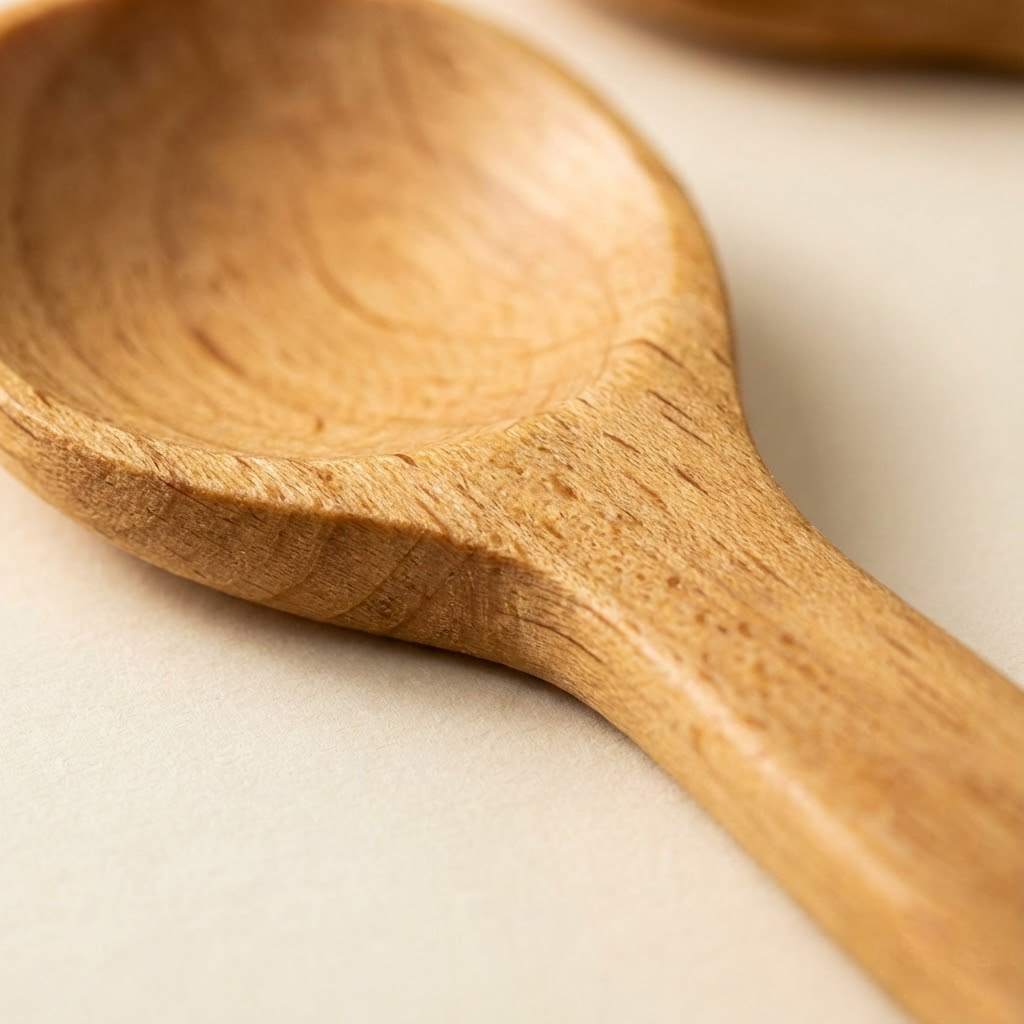
Every detail tells a story. From a 96mm gelato spoon to a 165mm soup spoon, choosing the right tool shows your customers that you care about their experience.
Don't let a mismatched spoon be the reason for a lost customer.
Ready to find the perfect fit? Stop guessing dimensions. Contact ToGoTableware today. We specialize in wooden spoons wholesale and can send you a free Sample Kit. Test our disposable wooden spoons with your actual takeout packaging and feel the quality difference for yourself.