
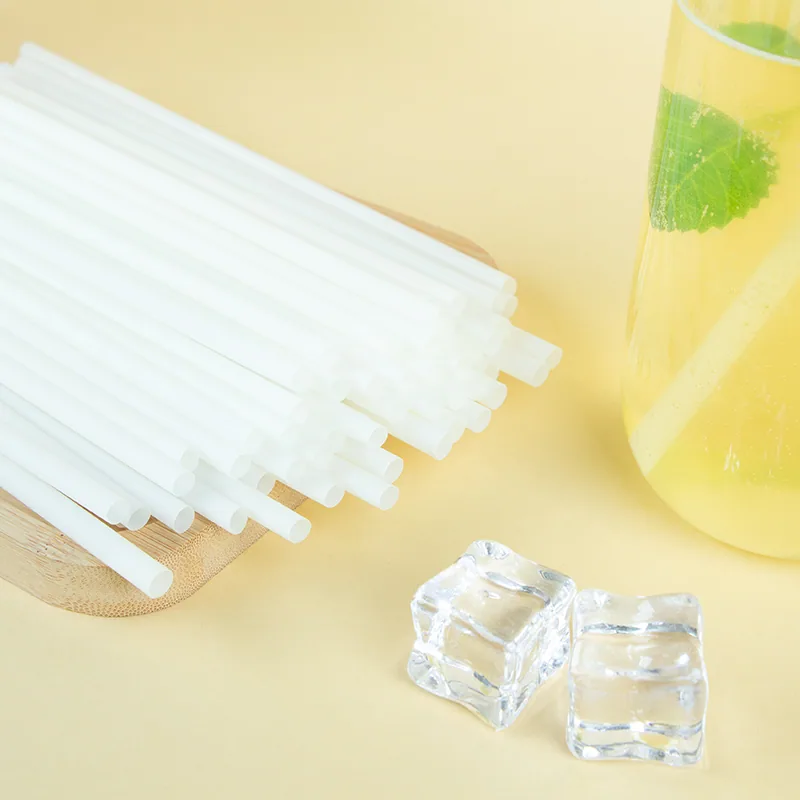
Evaluating the Materials
When deciding why switch to pha straws, it's helpful to put a PHA-based polymer straw next to a fiber-based paper straw across the practical factors that matter most in a beverage program. This involves observing how long the straw holds up in a drink, how it feels in the mouth, what it costs per unit, and what environmental language each one can support. While paper straws continue to dominate the market on familiarity and price, in a direct pha vs paper straws comparison, PHA options compete strongly on durability, mouthfeel, and a differentiated bio-based positioning that appeals to premium accounts.
The Realities of Paper Straw Usage
Paper straws perform adequately in specific scenarios, such as quick-service sodas, ice water, or thin iced teas. When the service time is short and the liquid is thin, most customers finish their beverages before the straw softens.
However, challenges arise with longer-sitting drinks, which is often the source of common paper straw complaints. In practical observations, a standard paper straw in an iced latte typically begins losing rigidity around the 15–20 minute mark. By 30 minutes, the tip becomes visibly soft, altering the drinking experience. Thicker drinks accelerate this process; a mango smoothie or a protein shake can break down a paper straw in under 10 minutes. For boba, the wide bore and thick liquid mean paper straws sometimes collapse entirely before customers can finish the topping layer.
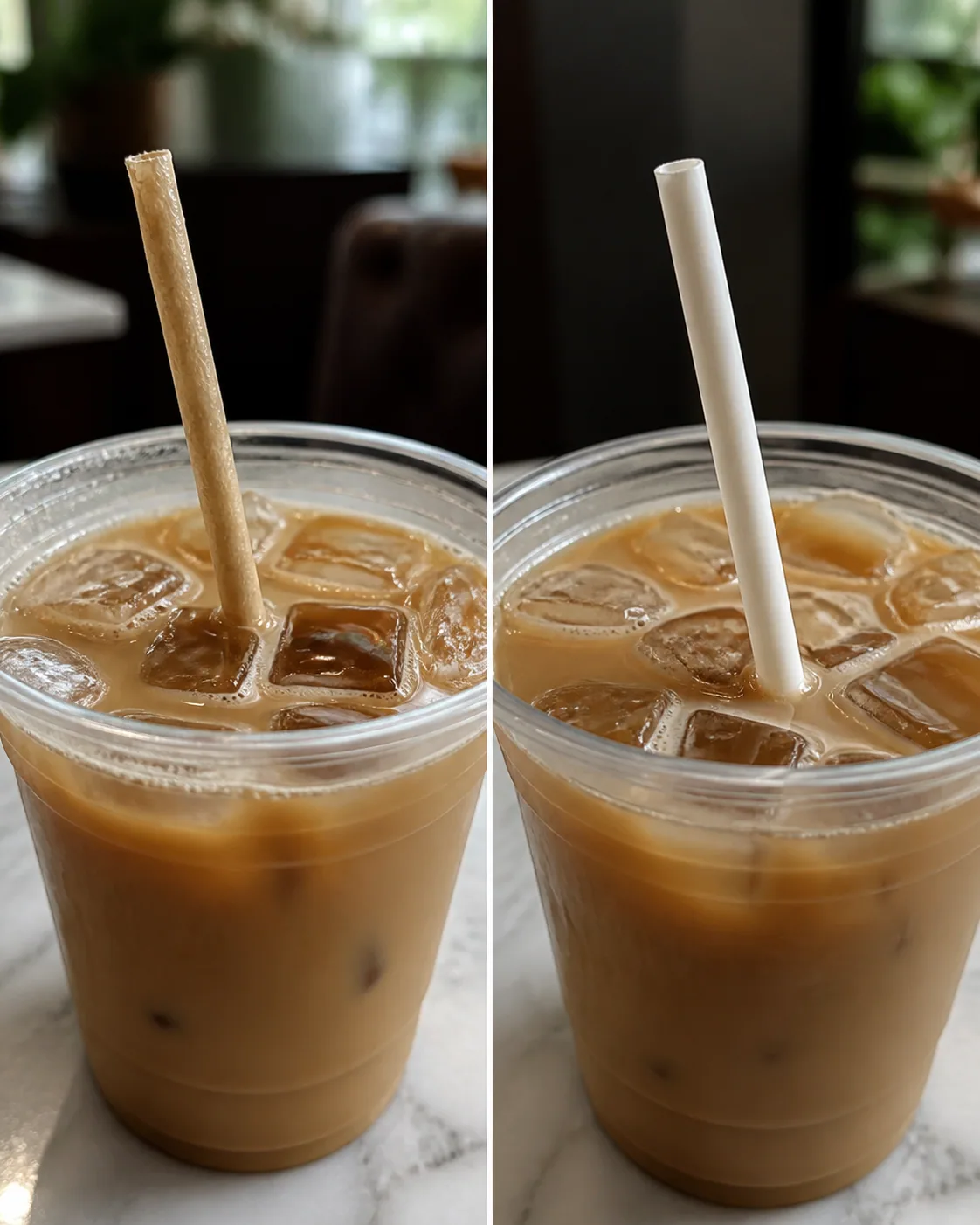 Taste is another factor. Paper straws can impart a subtle cardboard flavor, particularly noticeable in milk-based drinks. While faint, regulars often notice, and counter staff frequently hear the feedback. Replacing a limp straw for a customer represents both a material cost and a service disruption—minor per incident, but significant when scaled over hundreds of drinks a day.
Where Paper Still Makes Sense
Paper isn't going away, and it shouldn't. For a quick-service soda at a fast-food counter, paper does the job. Same for event catering — outdoor concerts, stadium vendors, conference drink stations — where the straw is in the cup for five minutes, tops. Staff know how to handle paper, customers expect it, and the unit cost is lower.
Paper also fits programs where the environmental message is built around fiber positioning. Some hotel breakfast buffets prefer the look and feel of a natural fiber straw with a kraft-paper wrapper. That's a valid choice when the service window is short and the drink is simple.
The key is matching paper to drinks where its limitations don't show.
Where PHA Straws Pull Ahead
PHA makes the most difference in scenarios where paper predictably fails. For instance, in long-service cold drinks like iced coffee, cold brew, or milk tea that sit on a desk for 30–60 minutes, the PHA straws we've tested hold their structure well past an hour with no softening or taste transfer.
It also elevates premium presentations at hotels, high-end cafes, and cocktail bars. A PHA White Straw on a room-service tray or a PHA Coffee Grounds Straw in a specialty coffee drink looks intentional, providing a smooth surface and consistent color without shedding fibers into the drink.
Finally, for thick drinks and boba—which demand 8mm, 10mm, or 12mm diameters and high structural strength—PHA is highly reliable. A PHA Sugarcane Bagasse Straw in 12mm stands up to tapioca pearls and thick fruit blends without the tip collapsing during film puncture.
Side-by-Side Comparison
| Factor | Paper Straw | PHA Straw |
|---|---|---|
| Hold time in iced coffee | 15–20 min before noticeable softening | 60+ min, structure intact |
| Mouthfeel | Fibrous, can feel rough on lips | Smooth, closer to conventional plastic |
| Taste transfer | Subtle cardboard flavor in milk drinks | Minimal — no fiber taste |
| Boba / thick drink use | Collapse risk with wide bore | Holds shape in 10–12mm diameters |
| Quick-service soda | Works well, familiar | Often more than needed |
| Hotel / premium service | Functional but less polished | Cleaner table presentation |
| Unit cost | Lower | Higher — justified in premium or long-service drinks |
| Environmental claim basis | Fiber/paper-based; coating questions apply | Bio-based polymer; compostability needs product-level testing |
Running Both on the Same Menu
Most of our cafe and restaurant accounts don't pick one material for everything. They split their usage based on practical needs. Paper stays on the counter for basic, quick-service drinks like soda, water, or simple iced tea. Conversely, PHA goes behind the bar for specialty drinks, milk-based iced beverages, and anything with a significantly longer expected service time.
That split also makes cost management much easier. PHA naturally costs more per unit than paper, so concentrating it on drinks where it actively improves the customer experience keeps the average straw cost reasonable. For example, a boba chain we work with uses paper for their basic fruit teas and specifies robust options from our PHA Straws Wholesale lineup specifically for their milk-foam and topping-heavy drinks, successfully running two straw programs in parallel to balance budget and performance.
Aligning Packaging Wording with Evidence
Both paper and PHA products can carry environmental language, provided there is solid evidence behind the specific wording. Paper straws sometimes raise questions about coatings and PFAS content. Similarly, PHA straws require product-level testing before terms like "compostable" or "biodegradable" can accurately appear on a wrapper.
The FTC's Green Guides apply to both materials equally. Reviewing proposed claim wording during the wrapper-proofing stage ensures that the packaging only displays what the available documentation fully supports, keeping the messaging accurate and compliant.
Building a Strategic Sourcing Plan
Integrating both materials into your supply chain requires a practical evaluation. Operators often ask if PHA should replace paper straws entirely, but the reality is that this is rarely necessary. Most successful operations keep cost-effective paper straws for quick, short-service drinks while strategically deploying PHA only where paper typically generates customer complaints—such as with iced coffee, thick milk drinks, smoothies, and premium table service. While PHA carries a higher unit cost, this targeted approach perfectly balances your budget with the overall customer experience.
When rigorously testing these materials side-by-side with iced beverages, the performance gap becomes immediately obvious: PHA straws consistently maintain their full structural integrity well past 60 minutes, whereas standard paper straws typically begin softening around the 15–20 minute mark. It is also crucial to remember that accurate environmental claims must follow the specific finished product, not just the raw material; a paper straw's natural fiber origin does not automatically make it compostable, just as PHA's biodegradation potential does not make every finished straw certifiably compostable without explicit test evidence.
If you are ready to evaluate a practical comparison for your operation, simply share your drink menu, cup and lid specifications, desired straw diameters, expected service times, packaging format, and estimated monthly volumes with the TOGO team. We will prepare targeted PHA Straws Wholesale samples so you can rigorously test them against your current paper options under real-world service conditions, ensuring your final decision is grounded in facts rather than guesswork.