Visual Textures and Ingredients
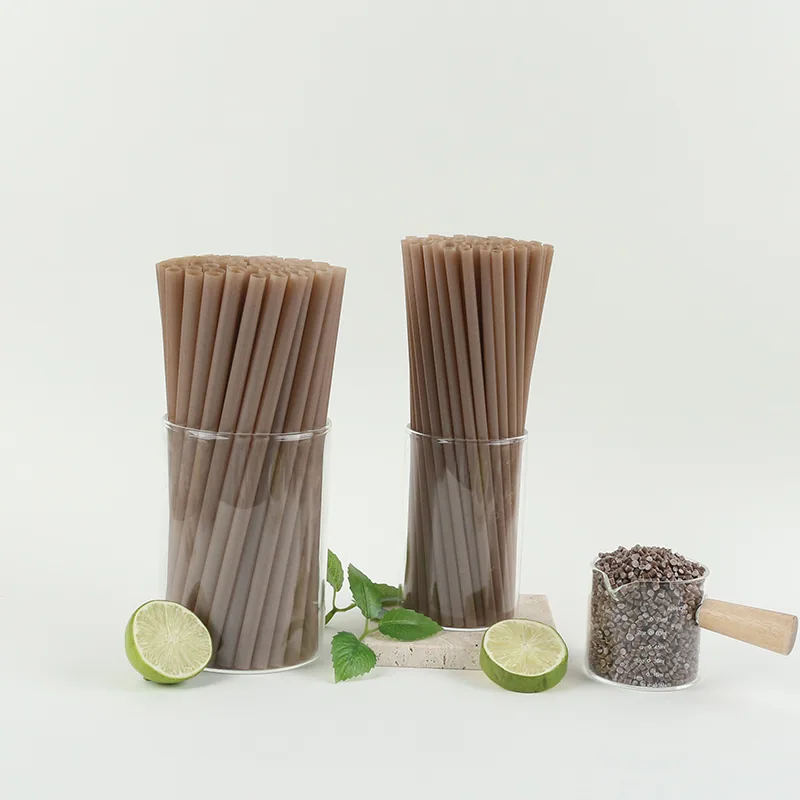
A common question among buyers is, do bio based straws look like plastic? While many can be manufactured to look identical to conventional plastic, PHA ingredient-look straws specifically use the same PHA base material but with added natural-origin powders or pigments that create distinct, organic visual textures. Sugarcane bagasse, bamboo powder, coffee grounds, and tea powder each produce a different tone and surface feel. This specialized look acts as a powerful branding tool. However, the straw's core functional behavior—such as flexibility, drink resistance, and bore size—always comes from the underlying PHA formulation and production process, not the ingredient additive itself.
Exploring the Different Aesthetics
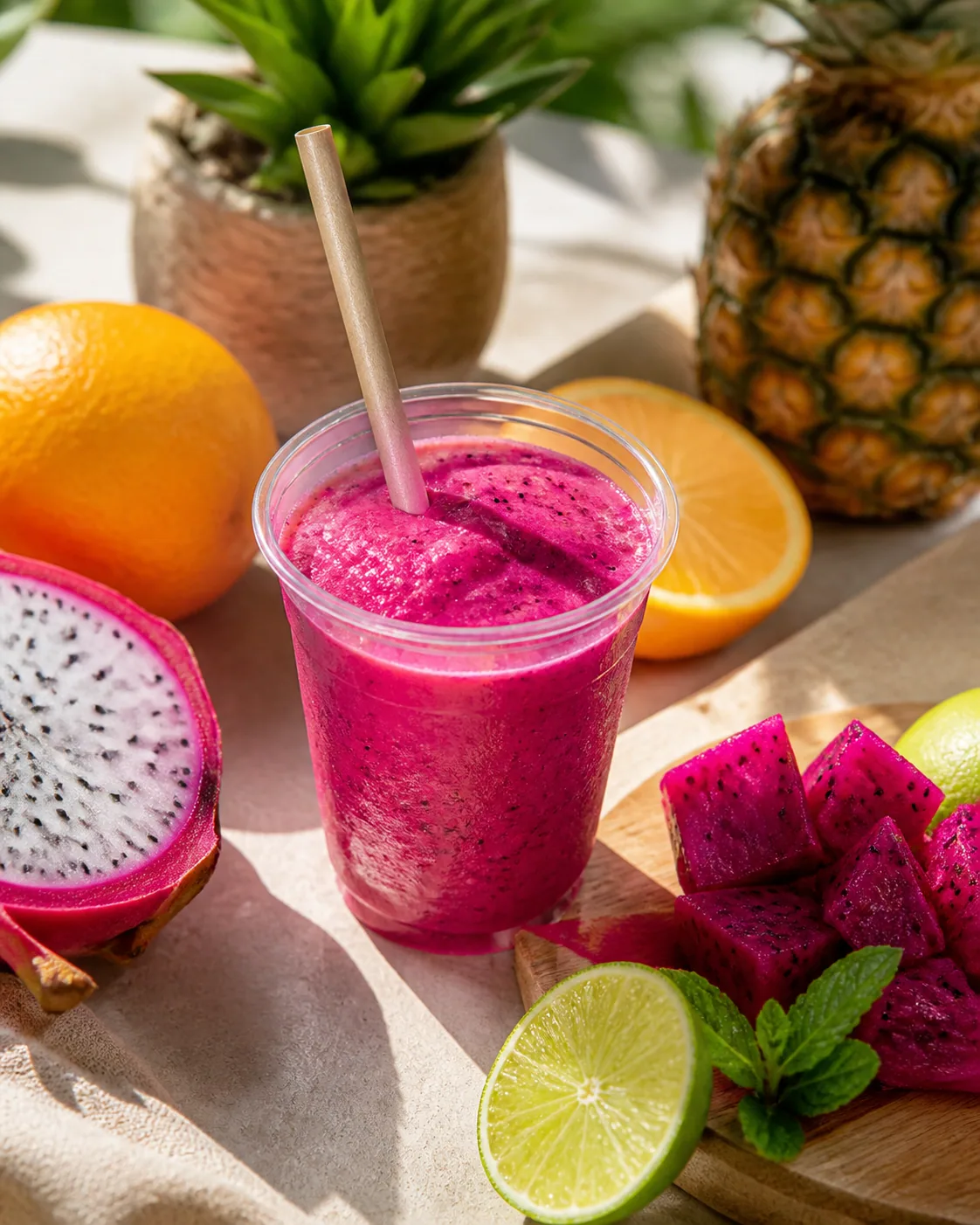
While product photos are helpful, they often can't fully capture what these straws feel like or how they naturally sit in a real drink. During sample sessions, distinct characteristics emerge. For instance, sugarcane pha straws feature a warm, sandy tan color with a slightly matte surface. Placed in a clear juice cup, the straw reads as very natural and earthy—almost like unbleached paper—but maintains reliable stiffness. They are frequently paired with cold-pressed juice bars and açaí bowl shops because they photograph exceptionally well against bright fruit colors, making the PHA Sugarcane Bagasse Straw highly requested for tropical drink concepts.
 The Bamboo Powder Look offers a light beige tone with fine dark speckles and a textured, organic grain that catches the light differently than a solid-color straw. The PHA Bamboo Powder Straw pairs beautifully with matcha lattes and warm-toned ceramic cups. In contrast, coffee ground straws present a deep brown color with visible micro-particles, making them look like they genuinely belong in a craft coffee shop. In an iced latte, the PHA Coffee Grounds Straw visually blends into the drink in a highly complementary way, reinforcing a café's "coffee-first" identity.
Finally, the Tea Powder Look features a muted green-brown hue similar to dried tea leaves, which is quieter and more subtle. It works exceptionally well in milk tea, fruit tea, and jasmine-style drinks where the brand aesthetic is soft and clean. Feedback from various boba chains consistently indicates that it blends into the drink much better than stark white or brightly colored alternatives. The PHA Tea Powder Straw is frequently ordered alongside the bamboo look, allowing brands to easily A/B test during their menu photo shoots.
Ingredient-Look Comparison Table
| PHA Straw Look | Tone & Texture | Best Beverage Pairing | Size Range | TOGO Product |
|---|---|---|---|---|
| Sugarcane bagasse | Warm tan, matte, smooth | Cold-pressed juice, açaí bowls, tropical drinks | 6 mm, 8 mm | PHA Sugarcane Bagasse Straw |
| Bamboo powder | Light beige, fine speckles, textured grain | Hotel tea service, matcha latte, warm-toned cafés | 6 mm, 8 mm | PHA Bamboo Powder Straw |
| Coffee grounds | Deep brown, visible micro-flecks | Iced coffee, cold brew, bakery drinks | 6 mm, 8 mm | PHA Coffee Grounds Straw |
| Tea powder | Muted green-brown, subtle, soft | Milk tea, fruit tea, boba (with 12 mm bore) | 6 mm, 8 mm, 12 mm | PHA Tea Powder Straw |
| White | Clean, neutral, smooth finish | Restaurants, hotels, minimalist branding | 6 mm, 8 mm, 12 mm | PHA White Straw |
Naming That Keeps Things Clear
A PHA bamboo powder straw shouldn't sit in a catalog as just "bamboo straw." That creates confusion — buyers might expect a solid bamboo straw at a different price point, with different properties. The same applies to coffee grounds and sugarcane looks. The base material is PHA; the ingredient is the visual element.
We label everything with the PHA prefix and the ingredient descriptor: "PHA bamboo powder straw," "PHA coffee grounds straw." When buyers pass these names to their purchasing team, the product documents support the description and there's no ambiguity about what's being quoted or reordered. The EPA notes that biobased content and compostability are separate questions — keeping the name accurate helps avoid unintended claims downstream.
Testing Looks Side by Side
A sample set that compares looks under the same conditions is more useful than reviewing individual photos. For a milk tea brand, we'd typically send tea powder, bamboo powder and white PHA straws in the same 12 mm bore so the team can test them in a 700 ml cup with toppings. A coffee chain might compare coffee grounds and white in 6 mm, tasting iced latte and cold brew back to back.
Straw color can look different next to real cups, printed sleeves and drink tones than it does on a screen. We've had brands approve a look from digital mockups, then change their mind when the physical sample arrived beside their actual cup design. Physical samples close that gap before wrapper artwork or carton marks are finalized.
Verifying Aesthetic and Performance Details
Before finalizing any ingredient-look straw, resolving common misconceptions is critical. For instance, selecting a coffee grounds color does not automatically make the straw more compostable; the coffee grounds merely provide a specific visual appearance. Actual compostability remains entirely dependent on the finished product's rigorous test results and the capabilities of the specific local disposal facility. Similarly, a PHA bamboo powder straw is fundamentally different from a natural bamboo stick straw; it is a highly engineered PHA-based straw utilizing bamboo powder strictly for visual texture, carrying a distinctly different price and performance profile.
When operators ask which specific look works best for popular drinks like milk tea, the answer often involves tea powder, bamboo powder, or classic white. Ultimately, the correct decision relies heavily on your specific cup color, your lid style, and your overarching brand tone. Because visual appeal can shift significantly when placed against your actual cups or printed sleeves, testing several different looks side-by-side in your real beverages is the most effective strategy before ever committing to a bulk wrapper design. To guarantee performance, these ingredient looks must always be physically tested in the actual iced drink, accounting for the typical service window.
At TOGO, we construct comprehensive sample sets meticulously tailored around your unique drink program—categorized by ingredient look, specific diameter, or a combination of both. Explore the possibilities on our PHA Straws Wholesale , and share your drink photos, cup sizes, lid types, preferred color directions, and intended packing styles with us. Whether you are prepping for a crucial menu refresh or a high-stakes photo shoot, our team will rapidly dispatch the precise samples your creative team needs to make a flawless decision.