
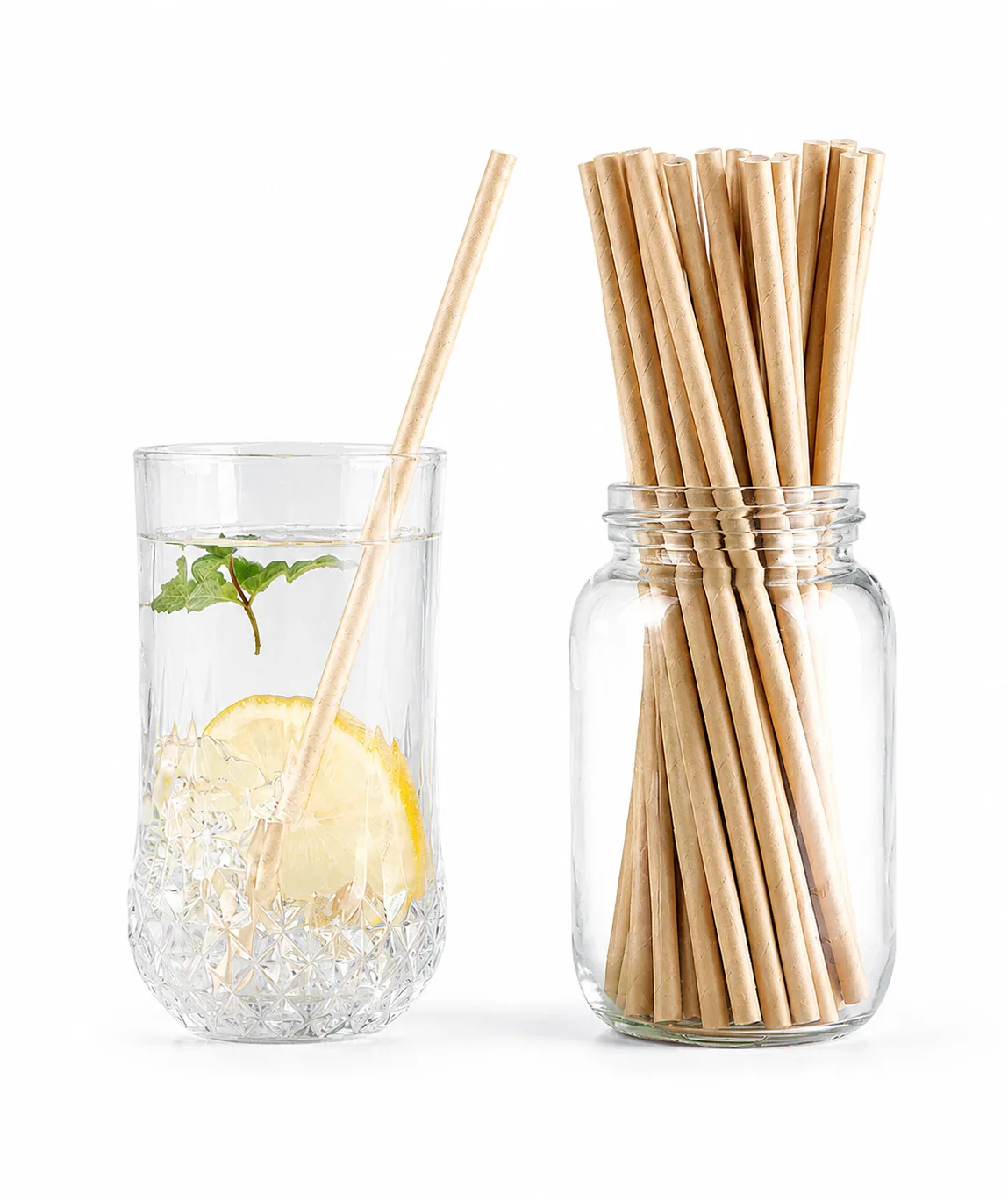
Paper straw durability depends on drink type, service time, diameter, wall structure, coating, storage, and lid fit. A straw that works well in iced coffee may fail in a smoothie or bubble tea, so the useful answer is not one universal minute count. The right paper straw is the one that stays comfortable through the actual drink service.
A soggy paper straw is one that softens, collapses, unwinds, tastes papery, sheds fiber, or loses mouthfeel before the drink is finished. In commercial beverage service, sogginess is usually a specification issue, not simply a paper straw problem.
How Long Do Paper Straws Last in Drinks?
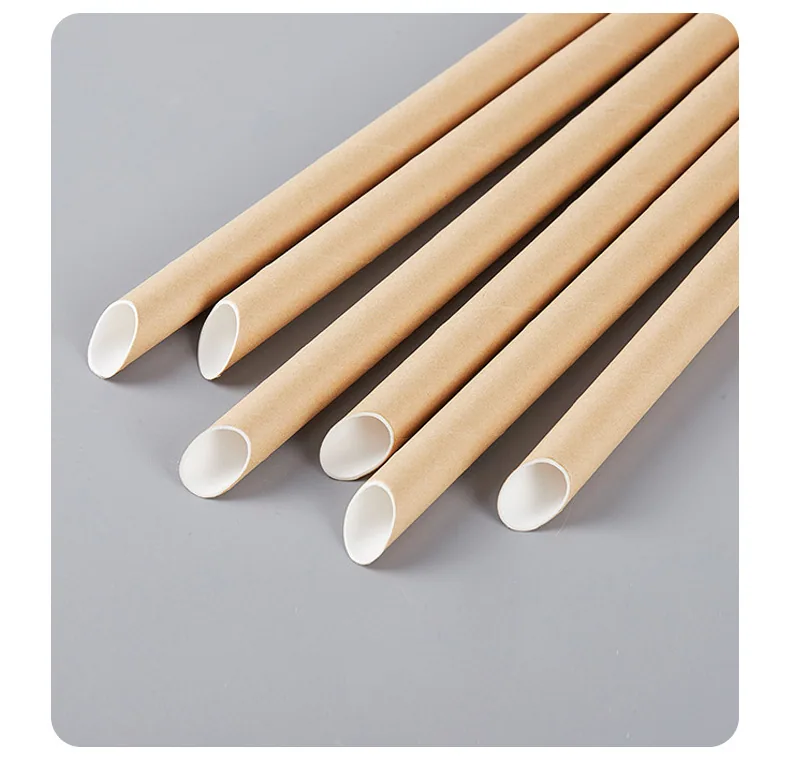
For short-service cold drinks, a well-matched paper straw can perform through the normal drinking window. The time changes quickly when the drink is thicker, warmer, more acidic, more carbonated, or held longer at the table. Ice level also matters because the straw rubs against ice and stays wet throughout the drink.
Paper straws soften as liquid moves into the paper layers. Wall thickness, spiral winding, adhesive, coating, and storage condition all influence that process. When evaluating durability, it helps to remember that finished-use articles need to be considered as complete products in their actual service environment, not just as a generic material name.
Paper Straw Performance by Drink Type
Drink or Service | Practical Risk | Better Straw Direction |
|---|---|---|
Water, soda, iced tea | Softening during normal use | Standard paper straw with stable winding |
Iced coffee and cold brew | Taste transfer, longer holding time | Stronger wall, suitable coating, wrapped option |
Smoothies and milkshakes | Compression and slow flow | Wider diameter and stronger structure |
Bubble tea | Clogging and lid puncture | Jumbo diameter and bevel-tip format |
Hotel or dine-in cocktails | Longer use and presentation | Premium paper, black paper, kraft paper, or bamboo option |
Why Paper Straws Get Soggy
The most common reason is a mismatch between straw and beverage. Thin paper straws are built for simple cold drinks, not thick toppings or long dine-in service. A straw may look fine when dry, then soften quickly if the drink is acidic, carbonated, creamy, or filled with ice.
Storage can create the same problem before service begins. Paper straws stored in humid rooms, opened cartons, or poorly sealed inner packs may absorb moisture from the air. For humid markets, TOGO can discuss wrapped formats, inner packing, carton protection, and sample sets that reflect the real storage environment.
How TOGO Approaches Durability Testing
In our experience with cafes and chains, the most reliable testing uses real cups, lids, drinks, ice level, and service time. During a typical TOGO sample review, the straw is placed into the target drink and checked at 10, 20, 30, and 45 minutes. The evaluation covers softness, mouthfeel, paper taste, fiber shedding, spiral opening, compression, lid fit, and whether the drink still flows comfortably.
For boba service projects, we look closely at puncture performance and topping flow. For restaurants, we simulate a longer table-service hold. For takeaway coffee, the focus shifts to the actual time between preparation and when the customer finishes the cup. This keeps product matching close to daily operations rather than a generic soak test.
Matching Paper Straws to a Beverage Menu
Exploring TOGO's full range of eco-friendly straws makes it easier to compare paper, bamboo, wheat, and other options side-by-side for your beverage program. Standard paper straws are usually enough for water, soda, lemonade, and many iced coffees. Smoothies, milkshakes, and bubble tea often need wider or stronger options.
Premium bars and hotels may also consider bamboo straws where presentation matters. A mixed straw program often works better than forcing one straw into every drink.
Details That Help TOGO Recommend Samples
Project Detail | Why It Helps |
|---|---|
Drink menu | Shows viscosity, acidity, carbonation, and service time |
Cup height and lid type | Prevents poor length and lid fit |
Lid hole or film seal | Affects puncture and drinking comfort |
Straw diameter | Controls flow for thick drinks and toppings |
Wrapped or unwrapped format | Affects hygiene, storage, and counter workflow |
Destination market | Helps align product documents and packaging notes |
To discuss size matching, request samples, or review bulk pricing for your menu, reach out to our team at [email protected] or connect via WhatsApp at +852 5181 0016.
Paper Straw FAQ
Do thicker paper straws last longer?
Often, but thickness alone does not solve every problem. Paper grade, winding quality, adhesive, coating, storage, and drink type all affect performance.
Why do some paper straws taste papery?
Paper taste can come from raw material, coating, adhesive, ink, storage, or long drink contact. Testing in plain water and in the actual beverage usually reveals the difference.
Are paper straws suitable for bubble tea?
They can be, but bubble tea usually needs a wider straw and a tip that works with sealed film lids.