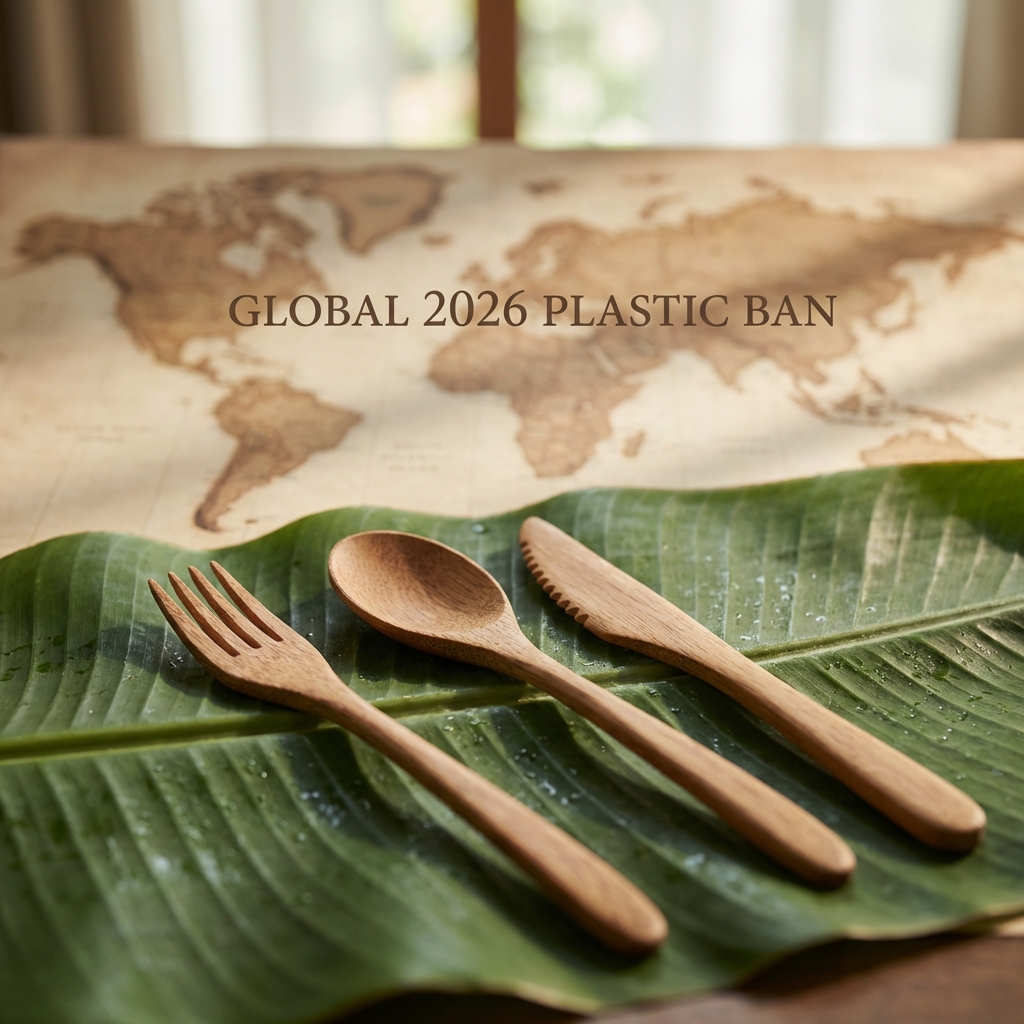
By 2026, single-use plastic cutlery will face restrictions or complete bans in over 60 countries worldwide. For food service businesses, distributors, and wholesalers, this isn't just an environmental issue—it's a business imperative that directly impacts your supply chain, operating costs, and market access.
Whether you're a restaurant owner in California navigating "Skip the Stuff" requirements, a European distributor ensuring SUPD compliance, or an international wholesaler sourcing disposable wooden cutlery wholesale, understanding these regulations is critical for your business continuity.
As a trusted disposable cutlery manufacturer, we've helped thousands of businesses navigate these transitions. This comprehensive guide breaks down:
· Current and upcoming plastic bans by region
· Compliance timelines and requirements
· Practical action steps for your business
· Sustainable alternatives that meet global standards
Global Plastic Ban Landscape: A Quick Overview
The push toward eliminating single-use plastics has accelerated dramatically. Here's the current state across major markets:
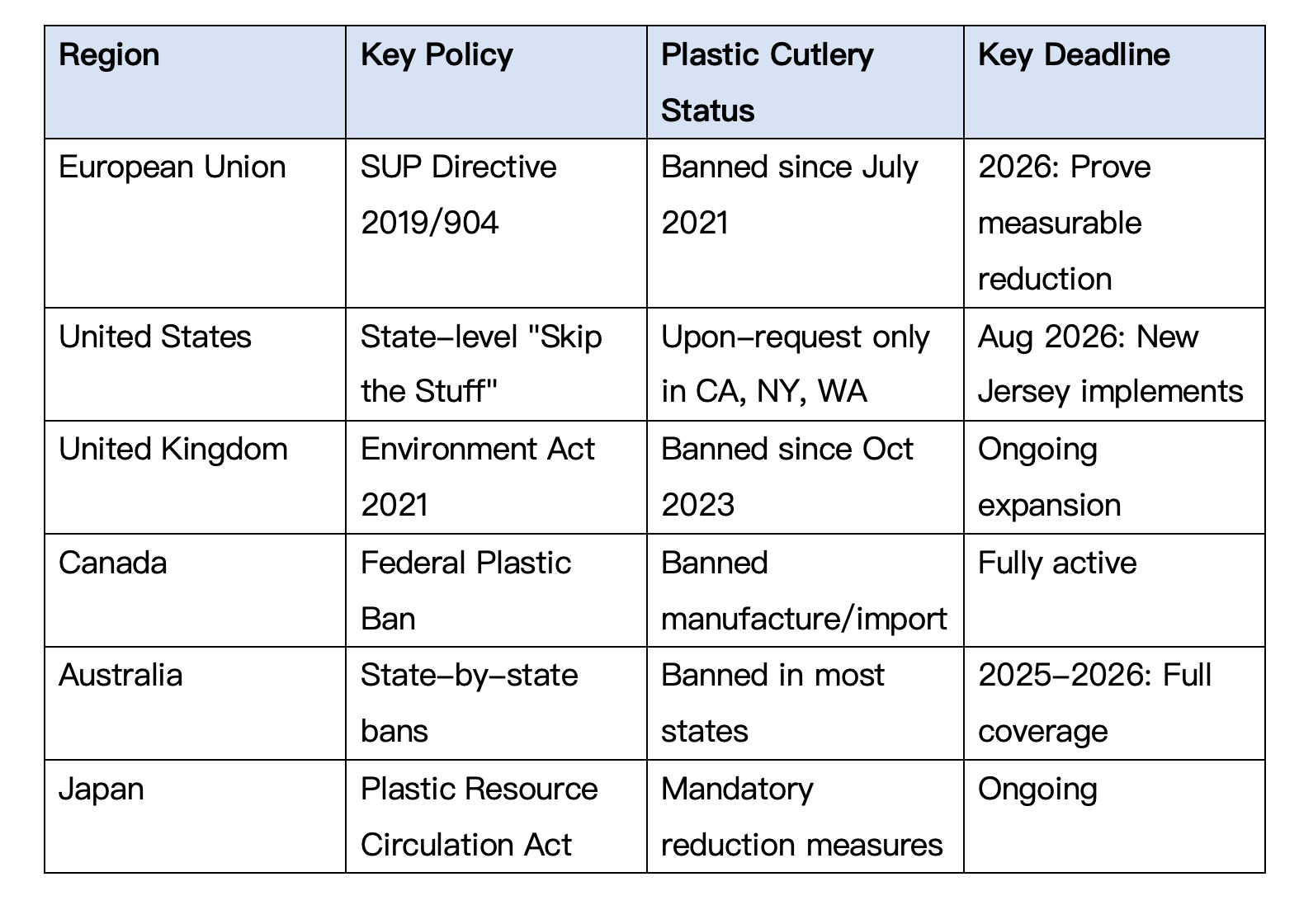
Key Insight: The trend is clear—plastic cutlery restrictions will only intensify. Early adoption of alternatives like biodegradable cutlery and eco-friendly tableware positions your business ahead of compliance deadlines. Learn more about why Americans are shifting away from disposable plates and embracing sustainable options.
European Union: The SUP Directive Explained
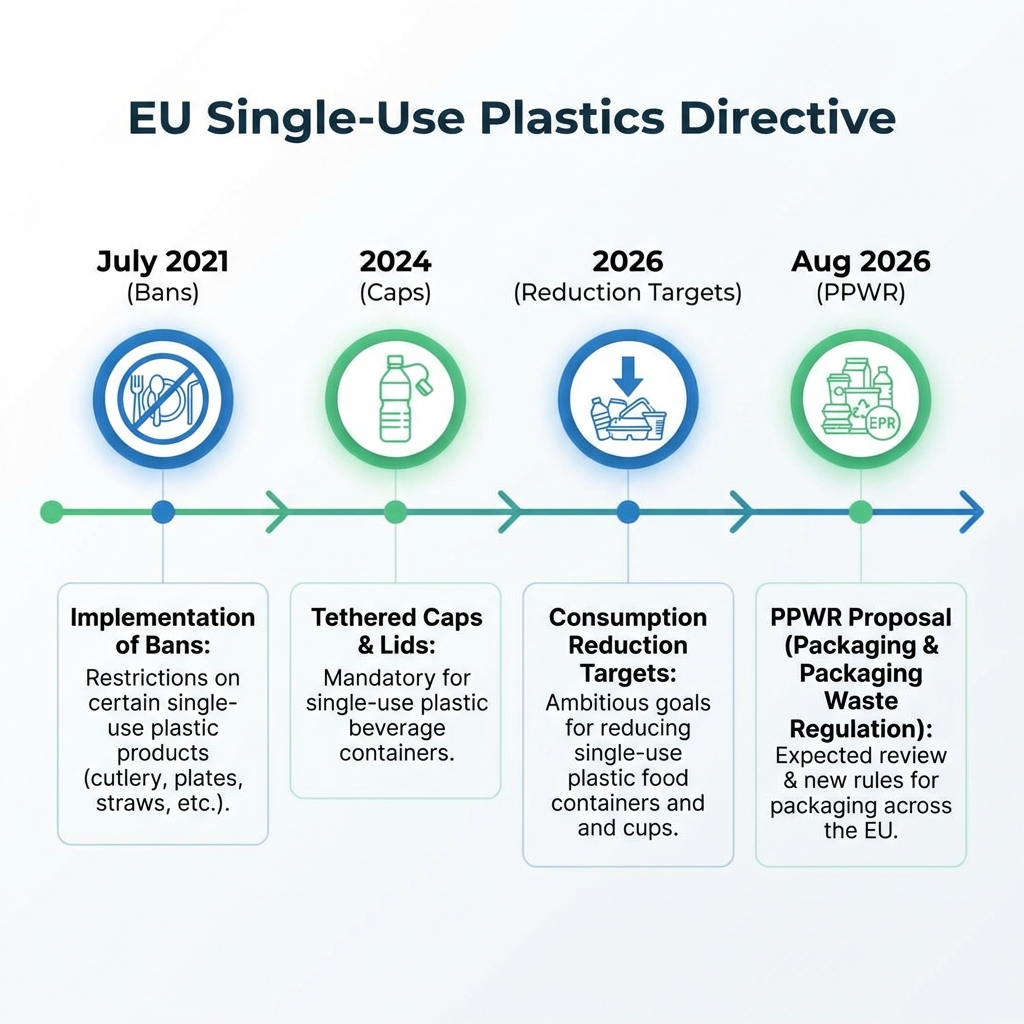
The EU has the world's most comprehensive single-use plastics legislation. For businesses serving or exporting to European markets, understanding the Single-Use Plastics Directive (SUPD) is essential.
What's Already Banned (Since July 3, 2021)
The following plastic items cannot be placed on the EU market:
✗ Plastic cutlery (forks, knives, spoons, chopsticks) — replace with wooden cutlery
✗ Plastic plates — switch to wooden disposable plates
✗ Plastic straws — try bamboo straws
✗ Plastic stirrers — use wooden coffee stirrers
✗ Expanded polystyrene food containers
What's Coming in 2026
Measurable Reduction Requirement: By 2026, all EU member states must demonstrate a quantifiable reduction in single-use plastic consumption compared to 2022 baseline levels.
Condiment Packaging (August 2026): Under the new Packaging and Packaging Waste Regulation (PPWR), restaurants will be prohibited from providing single-use plastic condiment packets for items like ketchup, mayonnaise, and sauces.
What Materials Are Exempt?
This is crucial for sourcing decisions:
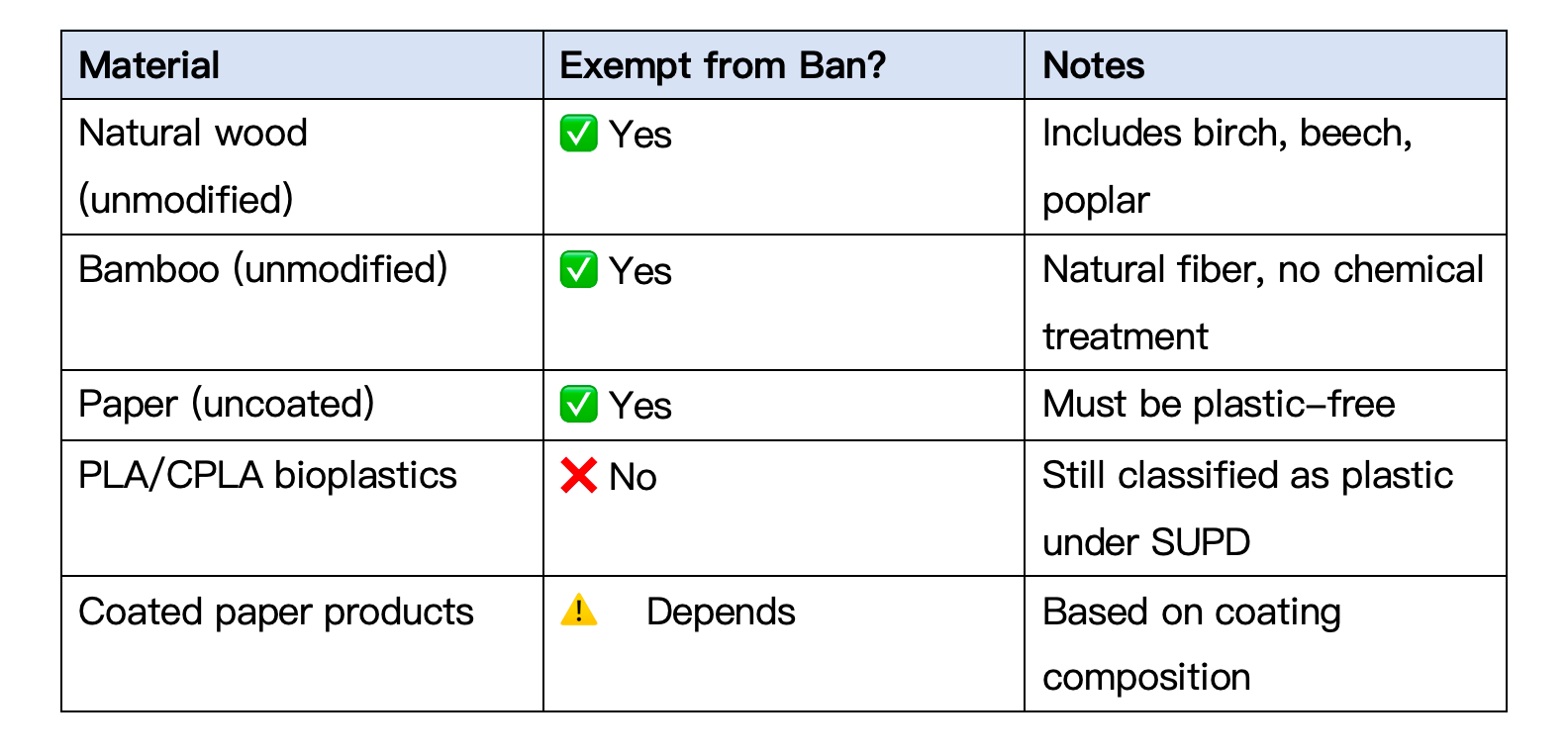
Bottom Line: If you're sourcing for the European market, disposable wooden cutlery and bamboo products are the safest compliance choices. PLA, despite being plant-based, is still regulated as plastic. For a detailed comparison, read our guide on what is the most eco-friendly disposable cutlery.
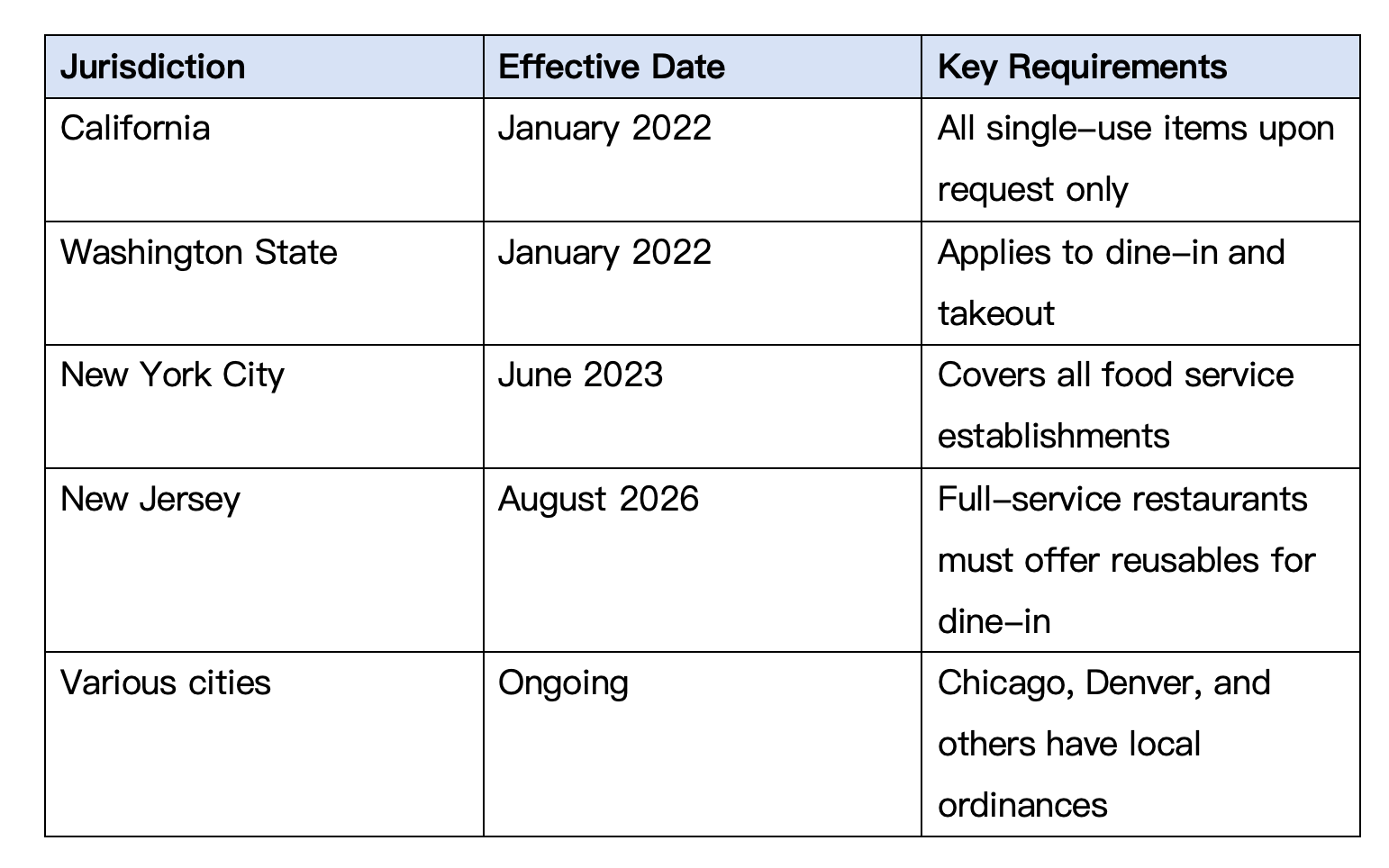
United States: "Skip the Stuff" Laws Expand
Unlike the EU's comprehensive directive, U.S. regulations operate at the state and municipal level. The dominant trend is "Skip the Stuff" legislation.
What is "Skip the Stuff"?
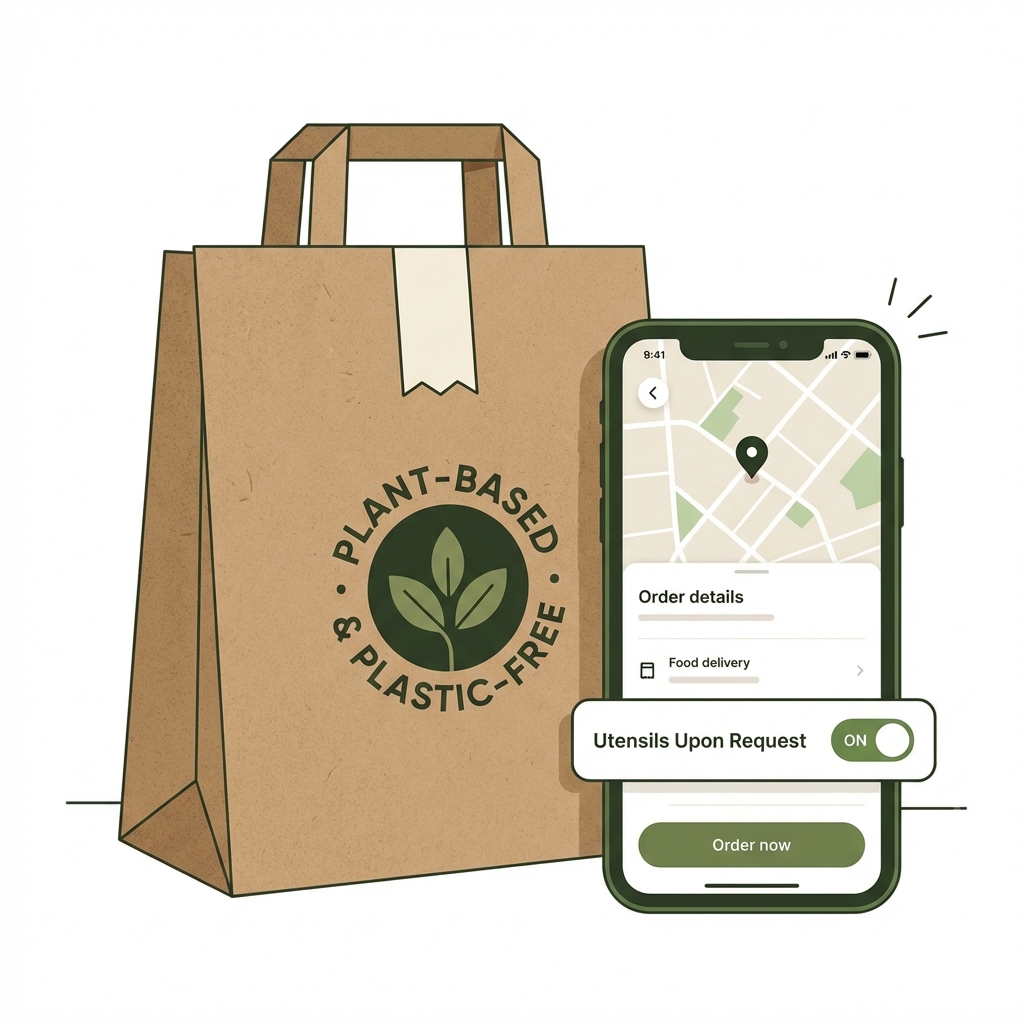
These laws require that single-use food service items—including disposable utensils, napkins, and condiment packets—be provided only upon customer request rather than automatically included with orders.
Current Implementation Status
Impact on Businesses
For Restaurants:
· Reduced costs from not automatically providing utensils
· Need for staff training on new procedures
· Updated ordering systems to capture customer preferences
For Distributors and Wholesalers:
· Potential volume reduction in plastic utensil sales
· Opportunity to shift customers toward premium eco-friendly alternatives like disposable bamboo spoons and wooden forks
· Demand for high-quality sustainable food service products that customers will specifically request
The Opportunity: When customers must request utensils, they're more likely to appreciate quality. This creates demand for premium togo cutlery and bamboo products that enhance their dining experience. See why restaurants are switching to biodegradable cutlery for the ROI analysis.
Other Major Markets
United Kingdom
The UK banned plastic cutlery, plates, and polystyrene containers in October 2023 under the Environment Act 2021. Scotland and Wales implemented similar bans even earlier. The UK market is now fully oriented toward biodegradable and compostable alternatives like wooden disposable tableware.
Canada
Canada's federal single-use plastics prohibition regulations banned the manufacture, import, and sale of plastic checkout bags, cutlery, foodservice ware, stir sticks, and straws. This is one of the most comprehensive national bans globally.
Australia
Australian states have implemented bans at different paces:
· South Australia: Led the nation with early bans
· Queensland, Victoria, Western Australia: Comprehensive bans active
· New South Wales: Following with expanded restrictions
Asia-Pacific
Japan:
The Plastic Resource Circulation Act requires businesses to reduce plastic usage, though specifics are more flexible than Western regulations.
China:
Phased restrictions targeting major cities first, with expanding coverage.
India:
State-level bans vary significantly; major metros have stronger enforcement.
Why Wooden Cutlery is the Smart Compliance Choice
For businesses navigating this complex regulatory landscape, wooden cutlery emerges as the optimal solution. Here's why:
1. Universal Regulatory Compliance
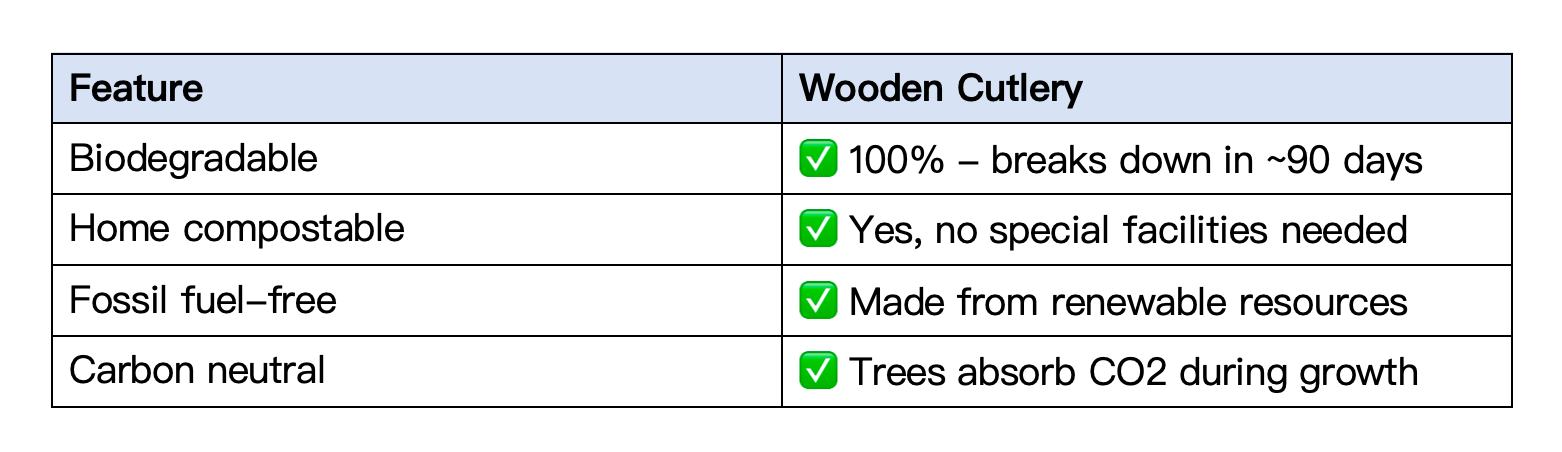
Natural, unmodified wood is exempt from plastic bans globally. Whether you're serving customers in Paris, Los Angeles, or Sydney, wooden cutlery meets all current and foreseeable regulations.
2. True Environmental Credentials
3. Consumer Preference
Studies consistently show consumers prefer natural wood to plastic alternatives. The tactile quality, natural appearance, and environmental credibility resonate with today's sustainability-conscious customers. This is especially true for specialty items like ice cream sticks and bamboo skewers where the natural aesthetic enhances the dining experience.
4. Premium Brand Positioning
Switching from plastic to quality togo tableware signals your commitment to sustainability—a powerful brand differentiator in competitive food service markets. Learn how proper spoon sizes matter for your business presentation.
Your Compliance Action Checklist
Ready to prepare for 2026 and beyond? Follow this strategic checklist:
Immediate Actions (This Month)
☐ Audit current plastic usage: Quantify your plastic cutlery consumption
☐ Identify regulatory exposure: Which markets do you serve? What laws apply?
☐ Research suppliers: Find certified disposable wooden cutlery wholesale partners
Short-Term (Next 3 Months)
☐ Request samples: Test different wooden and bamboo products for your needs
☐ Calculate cost impact: Compare plastic vs. sustainable alternatives
☐ Train staff: Educate teams on new procedures and customer communication
Medium-Term (6-12 Months)
☐ Transition inventory: Phase out plastic, phase in sustainable options
☐ Update marketing: Communicate your sustainability commitment
☐ Monitor regulations: Stay informed about new requirements in your markets
How ToGoTableWare Supports Your Transition
As a leading manufacturer of eco-friendly disposable tableware, ToGoTableWare offers:
Complete Product Range
· Wooden Cutlery: Spoons, forks, knives in multiple sizes (96mm-190mm)
· Bamboo Products: Chopsticks, burger sticks, stirrers
· Complementary Items: Plates, straws, coffee stirrers
Global Certifications

All our products meet international standards:
· FSC Certified: Sustainable forestry sourcing
· FDA Approved: Food-safe for all markets
B2B Partnership Benefits
· Competitive wholesale pricing with volume discounts
· Custom branding available for all product lines
· Dedicated logistics for international distribution
· Complete compliance documentation package
The Time to Act is Now
The global shift away from single-use plastics is accelerating. By 2026, major markets will have comprehensive restrictions in place, and consumer expectations for sustainable options will only intensify.
The businesses that thrive will be those who view this transition not as a burden, but as an opportunity—to reduce costs, strengthen brand positioning, and serve customers who increasingly demand environmental responsibility.
Wooden and bamboo cutlery offer the clearest path to compliance: universally accepted materials that meet both regulatory requirements and customer expectations.
Ready to Make the Switch?
Contact ToGoTableWare today for:
· Product samples
· Custom quote for your volume needs
· Compliance documentation for your target markets