You're standing in your kitchen with a recipe that calls for 10 oz of milk, or maybe you're trying to figure out if your coffee mug is the right size. Either way, you need to know: how many cups is 10 oz?
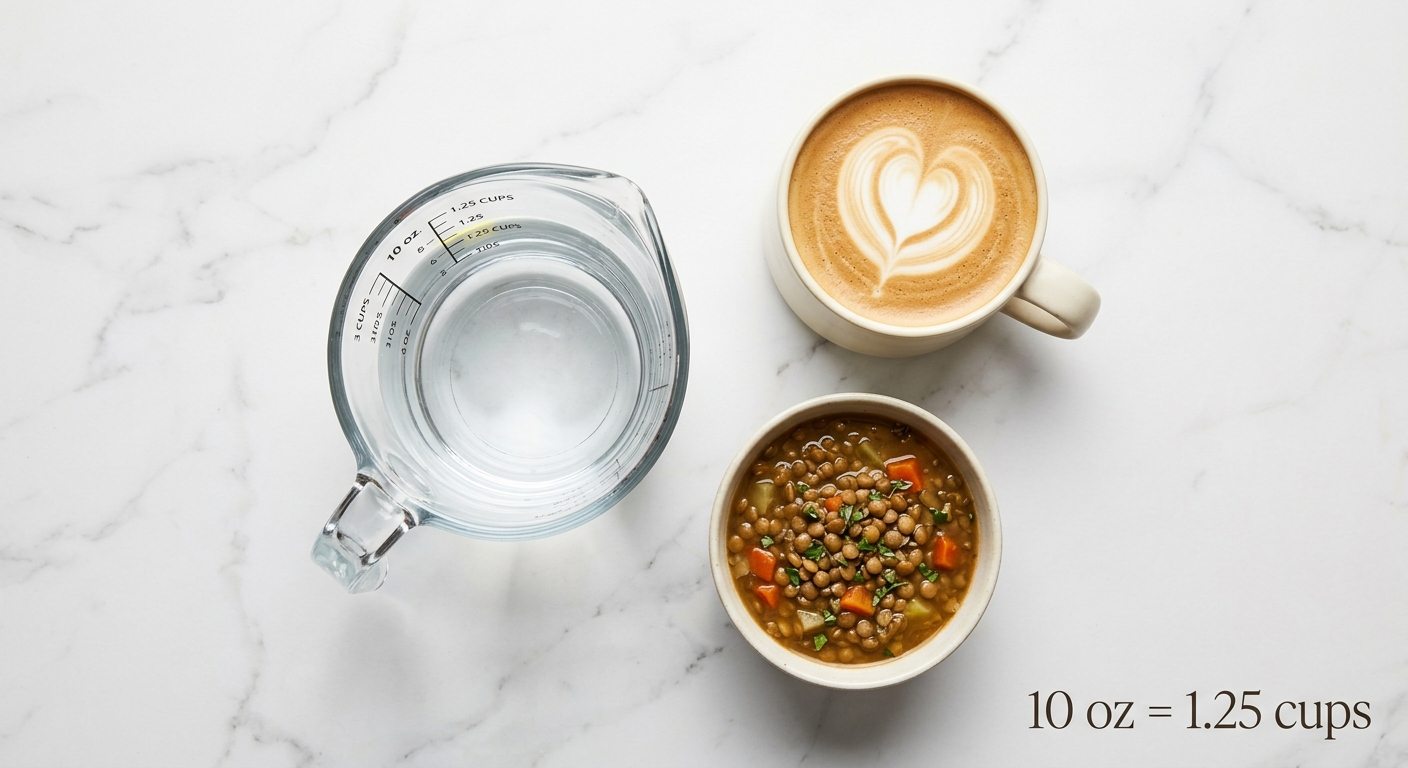
The answer is 1.25 cups - that's 1 and 1/4 cups. But there's more to this measurement than just the number, especially if you're working with dry ingredients or choosing containers for your business.
Understanding the 10 oz Measurement
For liquids, 10 fluid ounces always equals 1.25 cups. This works for water, milk, juice, coffee, oil - anything you pour. It's a straightforward conversion that you can rely on every time.
But here's where it gets interesting. If you're measuring dry ingredients by weight, 10 ounces doesn't always equal 1.25 cups. Here's a quick reference table:
Ingredient | 10 oz by Weight | Volume in Cups | Notes |
|---|---|---|---|
Water | 10 fl oz | 1.25 cups | Exact conversion |
All-Purpose Flour | 10 oz | ~2.25 cups | Very light, airy |
Granulated Sugar | 10 oz | ~1.25 cups | Similar to water |
Brown Sugar (packed) | 10 oz | ~1.4 cups | Pack firmly |
Rice (uncooked) | 10 oz | ~1.1 cups | Dense and heavy |
Butter | 10 oz | 1.25 cups | 2.5 sticks |
Oats (rolled) | 10 oz | ~3.3 cups | Very light |
This is why bakers swear by kitchen scales. When a recipe says "10 oz flour," they mean weight, not volume. Measuring by weight is way more accurate than trying to convert to cups, especially for baking where precision matters.
Where 10 oz Shows Up in Real Life
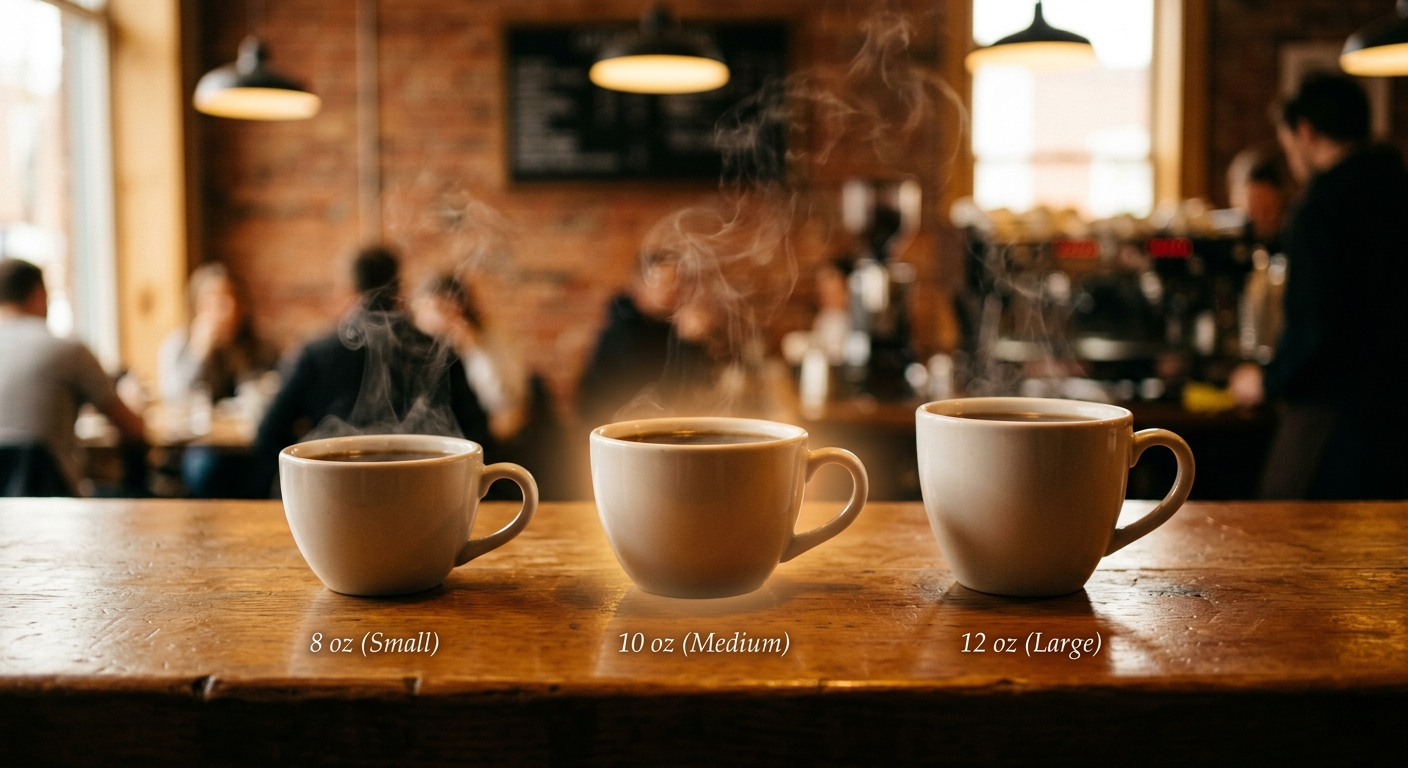
Walk into most coffee shops and you'll find 10 oz as the medium size. Here's how it compares to other common sizes:
Size Name | Ounces | Cups | Typical Use |
|---|---|---|---|
Short/Small | 8 oz | 1 cup | Espresso drinks, kids' size |
Medium | 10 oz | 1.25 cups | Standard coffee, hot chocolate |
Tall/Regular | 12 oz | 1.5 cups | Large coffee, smoothies |
Grande | 16 oz | 2 cups | Extra large hot drinks |
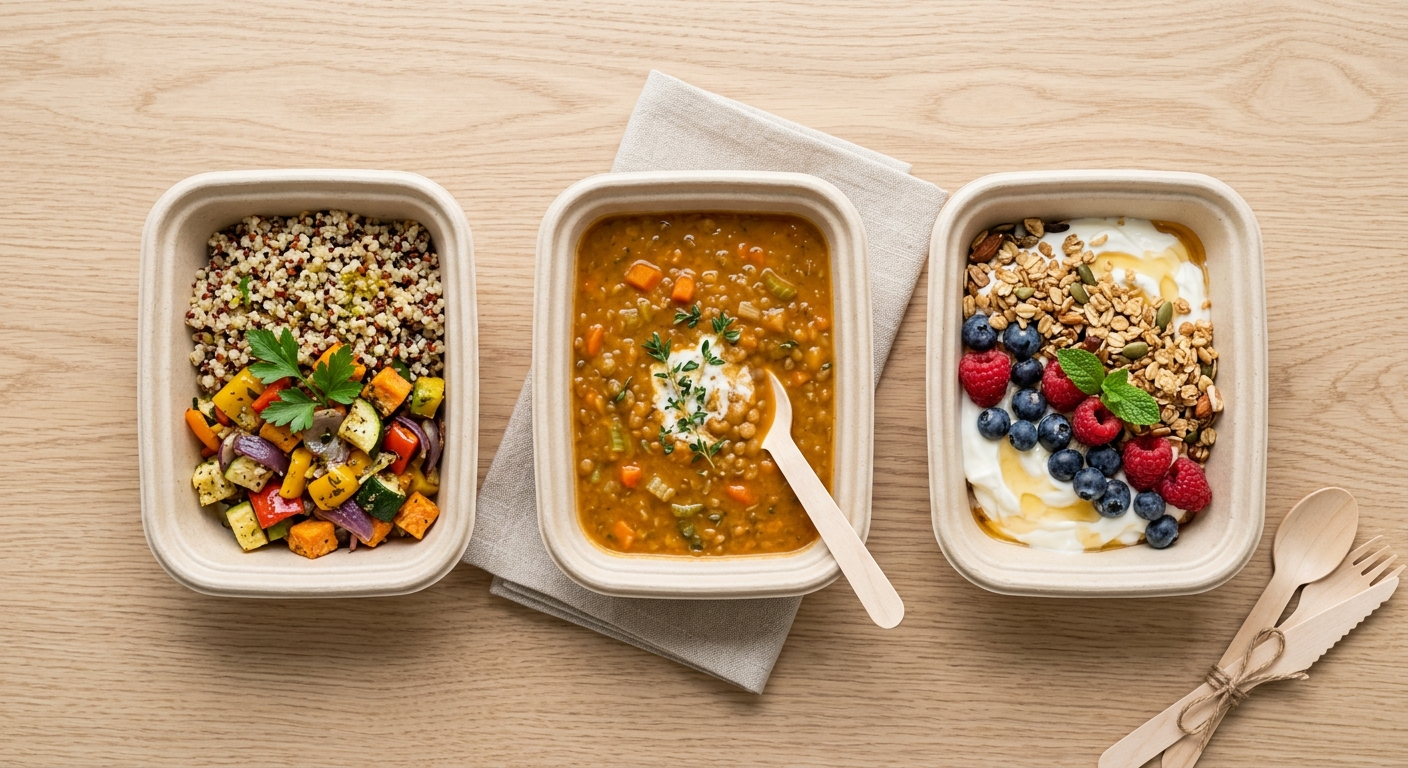
In food service, 10 oz containers are everywhere. They're perfect for single-serving soups - enough to be satisfying without being a full meal. You'll also see them for yogurt parfaits, snack portions, and small salads. If you're meal prepping, 10 oz works great for side dishes like rice, quinoa, or roasted vegetables.
When you're cooking, 10 oz often appears as the size of a small can of tomatoes, a standard bag of frozen vegetables, or a portion of pasta sauce. It's one of those measurements that shows up more often than you'd expect.
How to Measure 10 oz Accurately
For liquids, grab a liquid measuring cup - the kind with a spout and measurement lines on the side. Put it on a flat surface (don't hold it in your hand), pour to the 10 oz line or the 1 ¼ cup mark, and check it at eye level. That last part is important. If you're looking down at an angle, you might think you've hit the mark when you're actually a bit off.
For dry ingredients, a kitchen scale is your best friend. Set it to ounces and measure out 10 oz. If you don't have a scale and you're measuring by volume, use the spoon-and-level method: spoon the ingredient into your measuring cup without packing it down, then level off the top with a straight edge.
The Business Side of 10 oz
If you run a café or restaurant, 10 oz is actually a pretty smart size to offer. It's smaller than 12 oz, which means you save on ingredients while still giving customers a satisfying portion. It works for hot drinks, cold drinks, soups, and desserts. Customers don't feel shortchanged, and you're not dealing with as much waste.
There's also the eco angle. Smaller portions mean less packaging waste if you're using disposable containers. And in an industry where margins matter, that 2 oz difference between a 10 oz and 12 oz serving can add up over hundreds of drinks per day.
Finding the Right 10 oz Containers
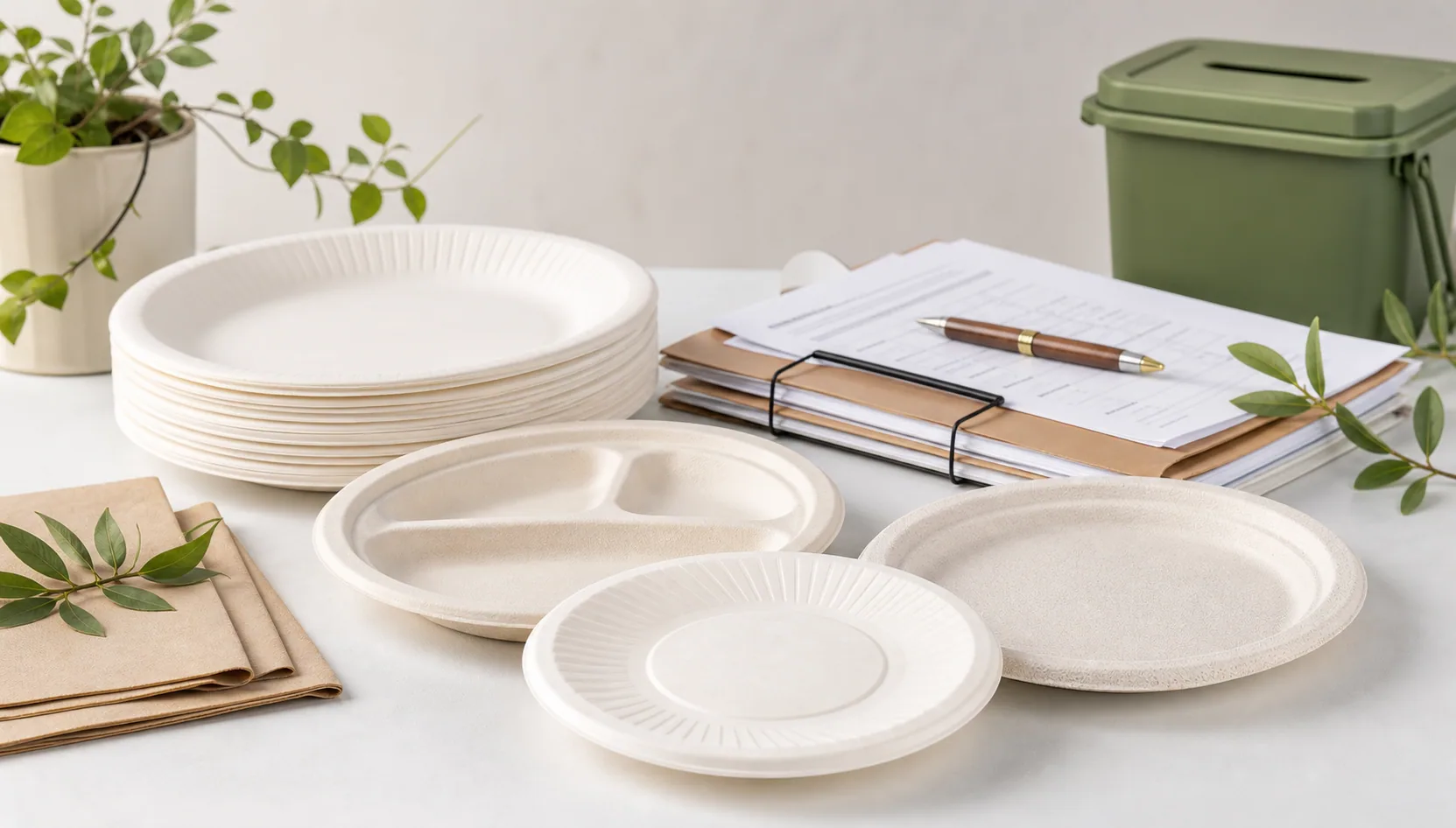
If you're in the market for 10 oz containers, you want something that's sturdy, safe, and ideally eco-friendly. Bagasse bowls (made from sugarcane fiber) work really well in the 8-12 oz range. They're microwave-safe, compostable, and they handle hot liquids without getting soggy. For soups and hot foods, they're hard to beat.
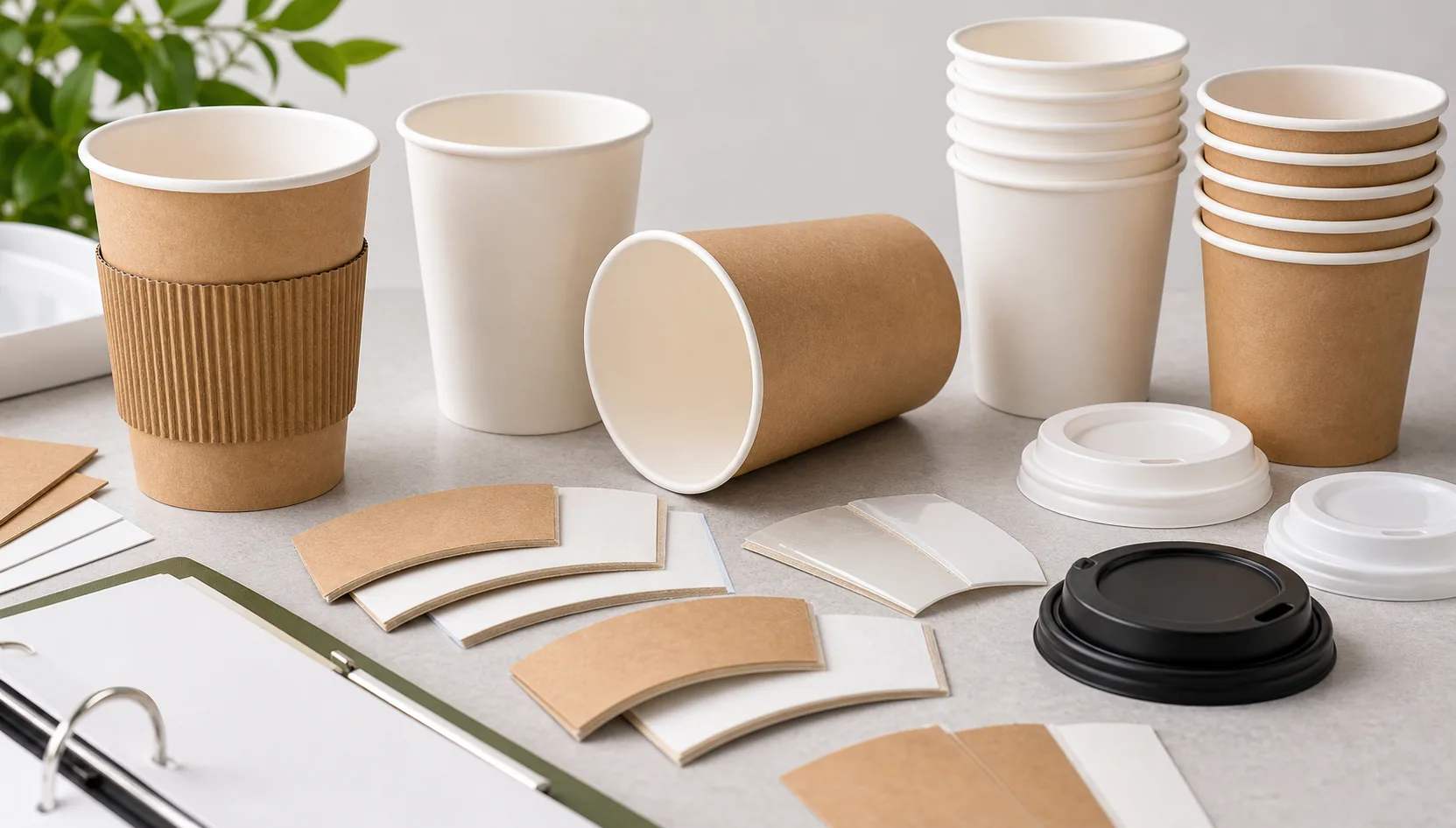
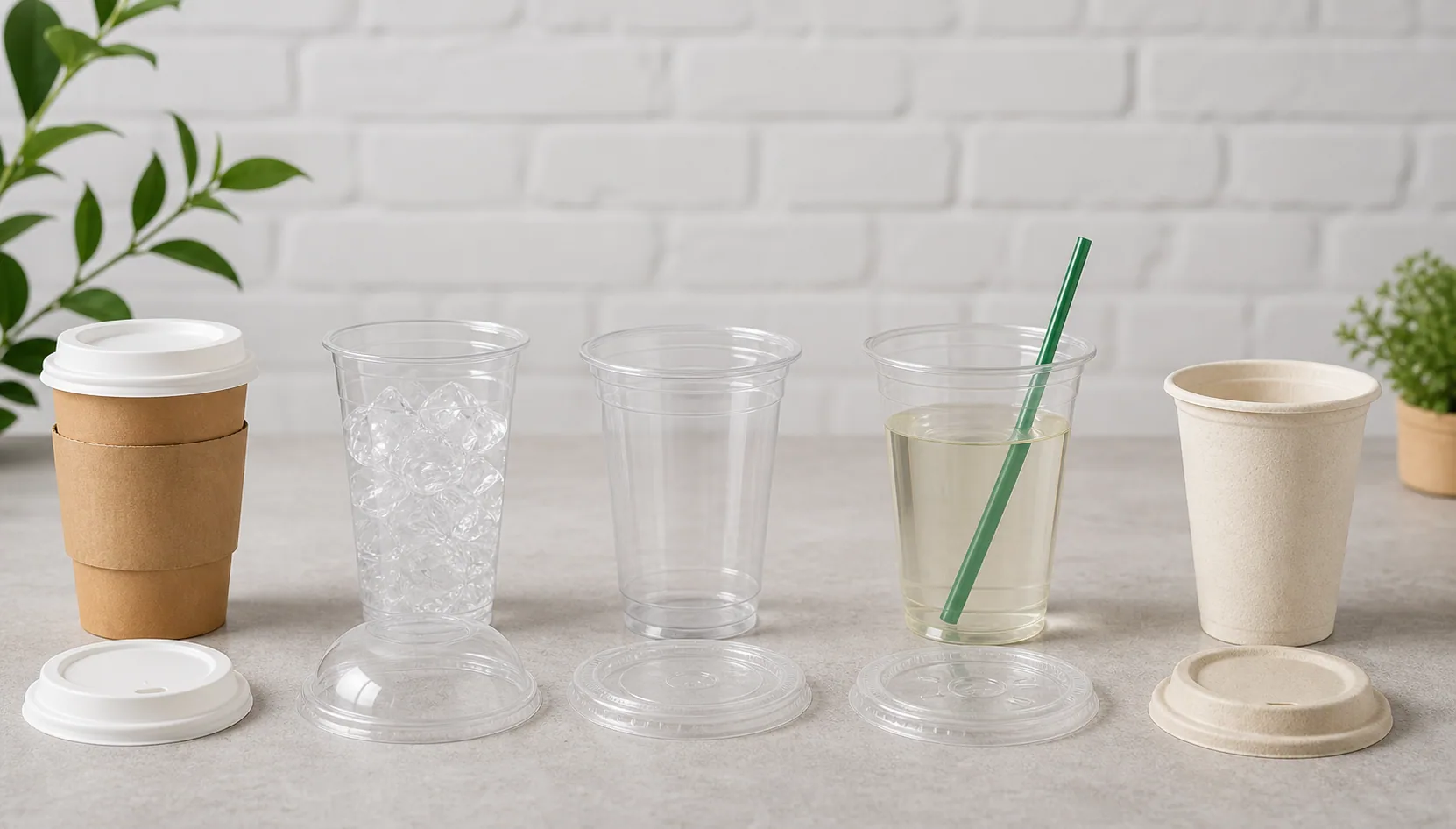
For beverages, paper cups are the standard, but not all paper cups are created equal. Look for ones that come with matching lids and kraft sleeves so customers can hold hot drinks comfortably. And if you need dessert cups for ice cream, frozen yogurt, or parfaits, bagasse cups are sturdy and eco-friendly.
The key is finding products that are FDA compliant and PFAS-free. Those "forever chemicals" are something you want to avoid in anything that touches food.
Want to Source Quality 10 oz Containers?
If you're looking to stock up on 10 oz containers for your business, we'd love to help. At ToGoTableware, we specialize in eco-friendly food service packaging - bagasse bowls, paper cups, and compostable containers that actually work.
We know choosing packaging isn't just about finding the cheapest option. It's about finding something your customers will feel good about using, that won't leak or fall apart, and that aligns with your brand values. That's why we offer free samples, so you can test the quality before committing to a bulk order.
Whether you need bowls for soup, cups for coffee, or containers for desserts, we can walk you through the options and help you find what works for your specific needs. Reach out through our contact page and let us know what you're looking for. We'll get back to you with recommendations and pricing.
Common Questions About 10 oz
Is 10 oz the same as 1 cup?
No, 10 oz is actually 1.25 cups, which is 1 and 1/4 cups. One cup equals 8 oz, so 10 oz is 25% more than a standard cup.
How do I measure 10 oz without a measuring cup?
Use a kitchen scale. 10 fluid ounces of water weighs approximately 10 ounces or 296 grams. For other liquids, the weight might vary slightly depending on density, but it's close enough for most purposes.
Is a 10 oz cup a good size for coffee?
Yes, it's a popular medium size. It's larger than a standard 8 oz cup but smaller than a 12 oz grande, making it perfect for a satisfying serving without being overwhelming. Many coffee shops use 10 oz as their regular or medium size.
Can I use a 10 oz container for soup?
Absolutely. 10 oz is a standard single-serving size for soup. It's enough to be satisfying but not so much that it feels like a full meal. It's perfect for soup as a side dish or a light lunch.
What's bigger: 10 oz or 1 cup?
10 oz is bigger. Since 1 cup equals 8 oz, 10 oz is 1.25 cups - that's 25% more than a standard cup.
How many 10 oz servings are in a quart?
A quart is 32 oz, so you can get 3.2 servings of 10 oz from a quart. In practical terms, that's three full 10 oz servings with a little left over.
Why do coffee shops use 10 oz as a medium size?
It's a strategic size that balances customer satisfaction with cost efficiency. It's large enough to feel substantial but not so large that hot drinks get cold before customers finish them. It also uses less coffee and milk than a 12 oz serving, which helps with margins.
Can I freeze liquids in a 10 oz container?
Yes, but make sure the container is freezer-safe and leave some room at the top. Liquids expand when they freeze, so if you fill a 10 oz container all the way to the top, it might crack or the lid might pop off.
Is 10 oz of flour the same as 10 oz of water?
Not in terms of volume. 10 fluid ounces of water equals 1.25 cups. But 10 ounces of flour by weight equals about 2.25 cups because flour is much less dense than water. This is why recipes that list flour in ounces are talking about weight, not volume.