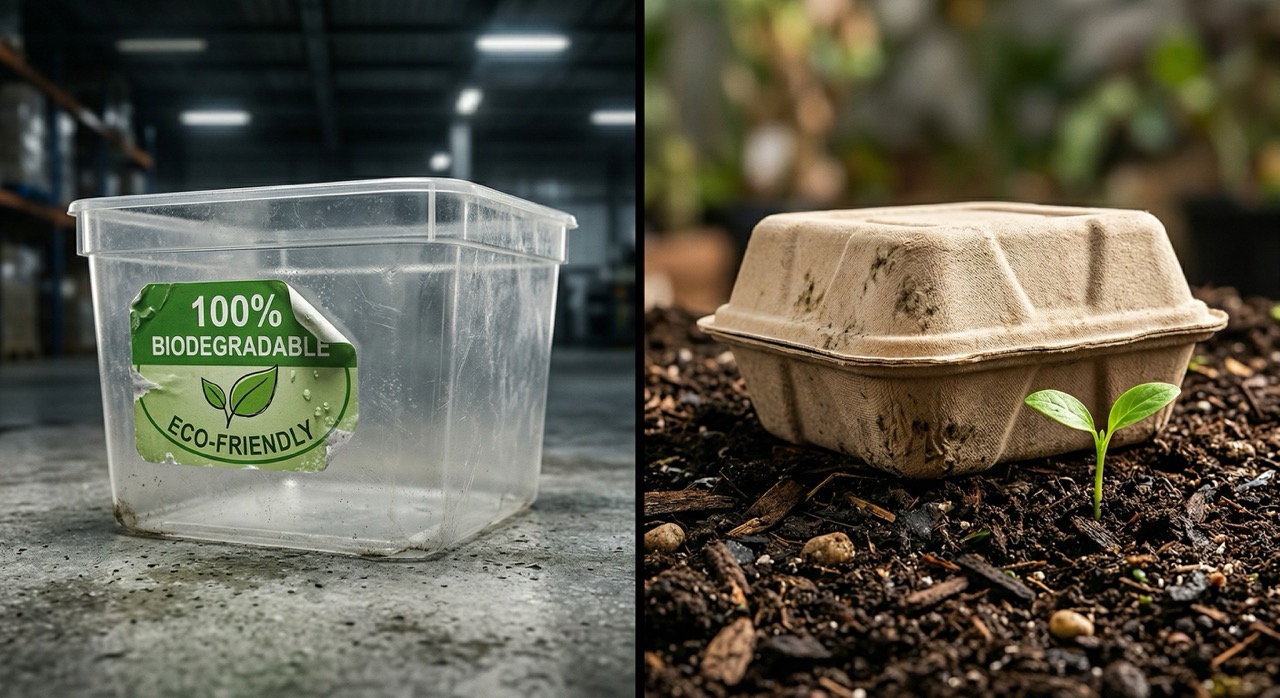
If you’ve ever bought takeout packaging labeled "eco-friendly" or "biodegradable," you might think you’re doing the planet a massive favor. But as experts who have audited hundreds of restaurant supply chains, we have to spill an industry secret: the word “biodegradable” is often used to legally greenwash cheap plastics.
So, how do you tell what’s actually good for the earth—and what’s just a marketing trick? Let’s answer the most common questions restaurant owners have about sustainable packaging.
What is the Difference Between Biodegradable and Compostable?
This is the number one trap buyers fall into.
Biodegradable simply means the material will break down eventually. Technically, even standard petroleum-based plastic is "biodegradable" if you wait 500 years! It breaks down into harmful microplastics, not soil.
Compostable, on the other hand, is a strict scientific standard (like ASTM D6400). It means the product must break down into organic, nutrient-rich soil (biomass, water, and CO2) within a specific timeframe—usually 90 to 180 days—leaving absolutely ZERO toxic residue behind.
What Material is 100% Biodegradable and Compostable?
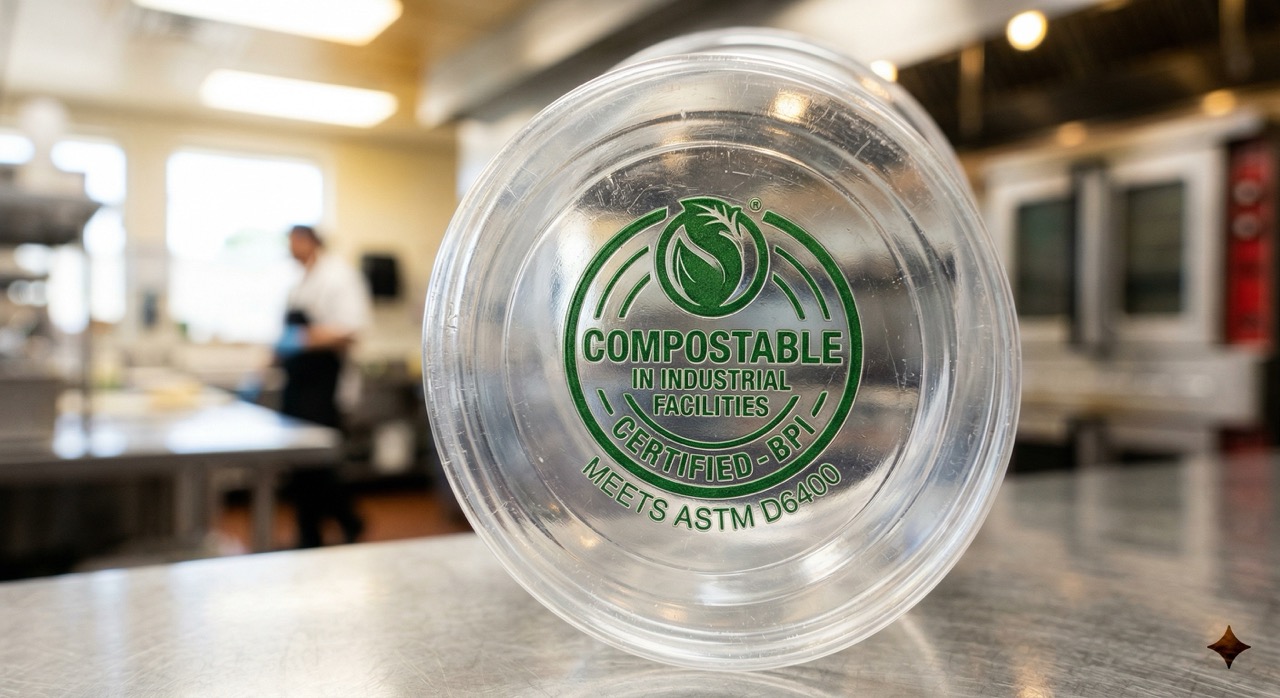
If you want to completely avoid microplastics, you need packaging made from organic plant matter. The two best options for food service are:
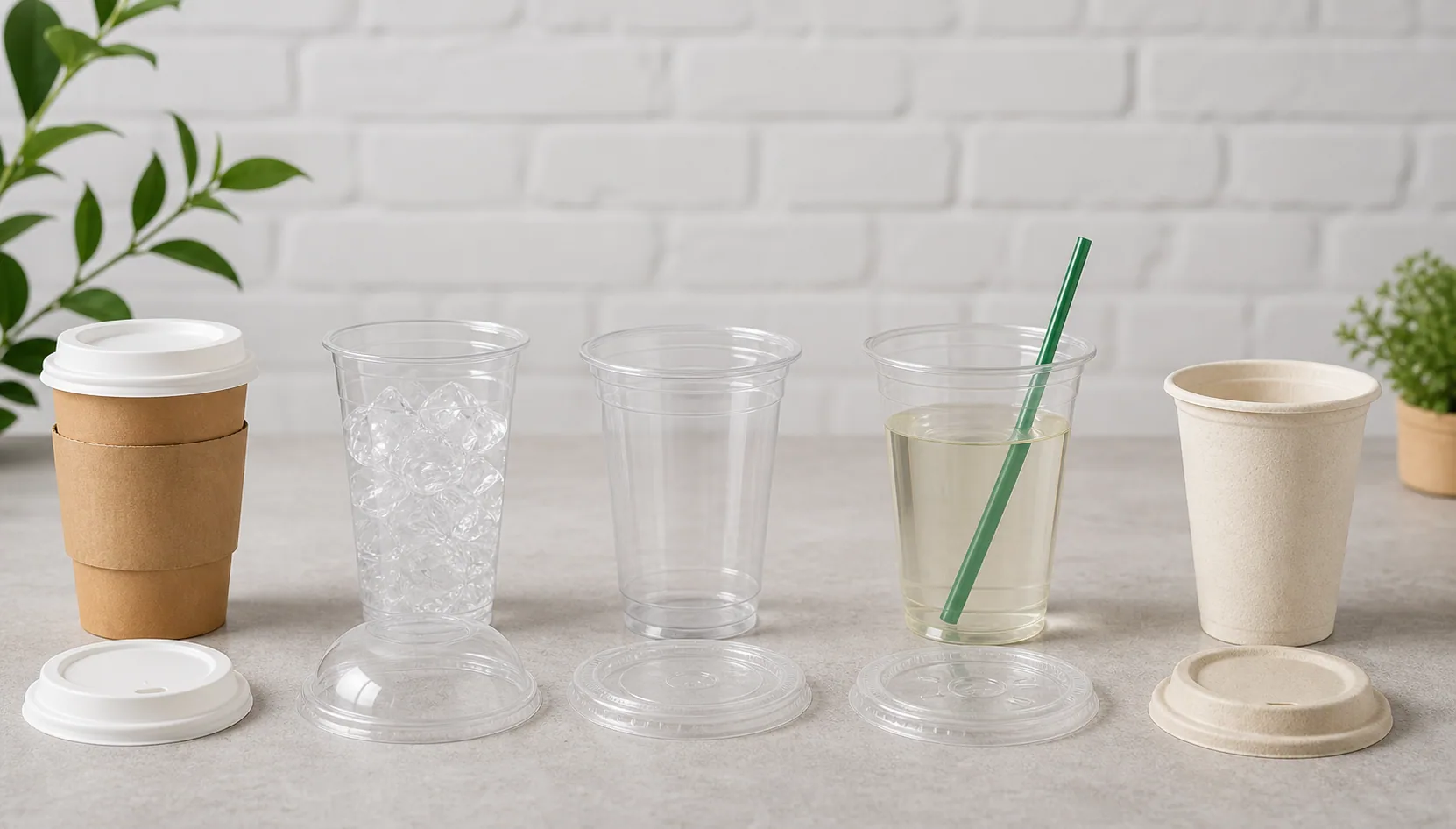
PLA (Polylactic Acid): A bio-plastic made from fermented corn starch. It looks like clear plastic but is 100% compostable. (Great for cold cups!)
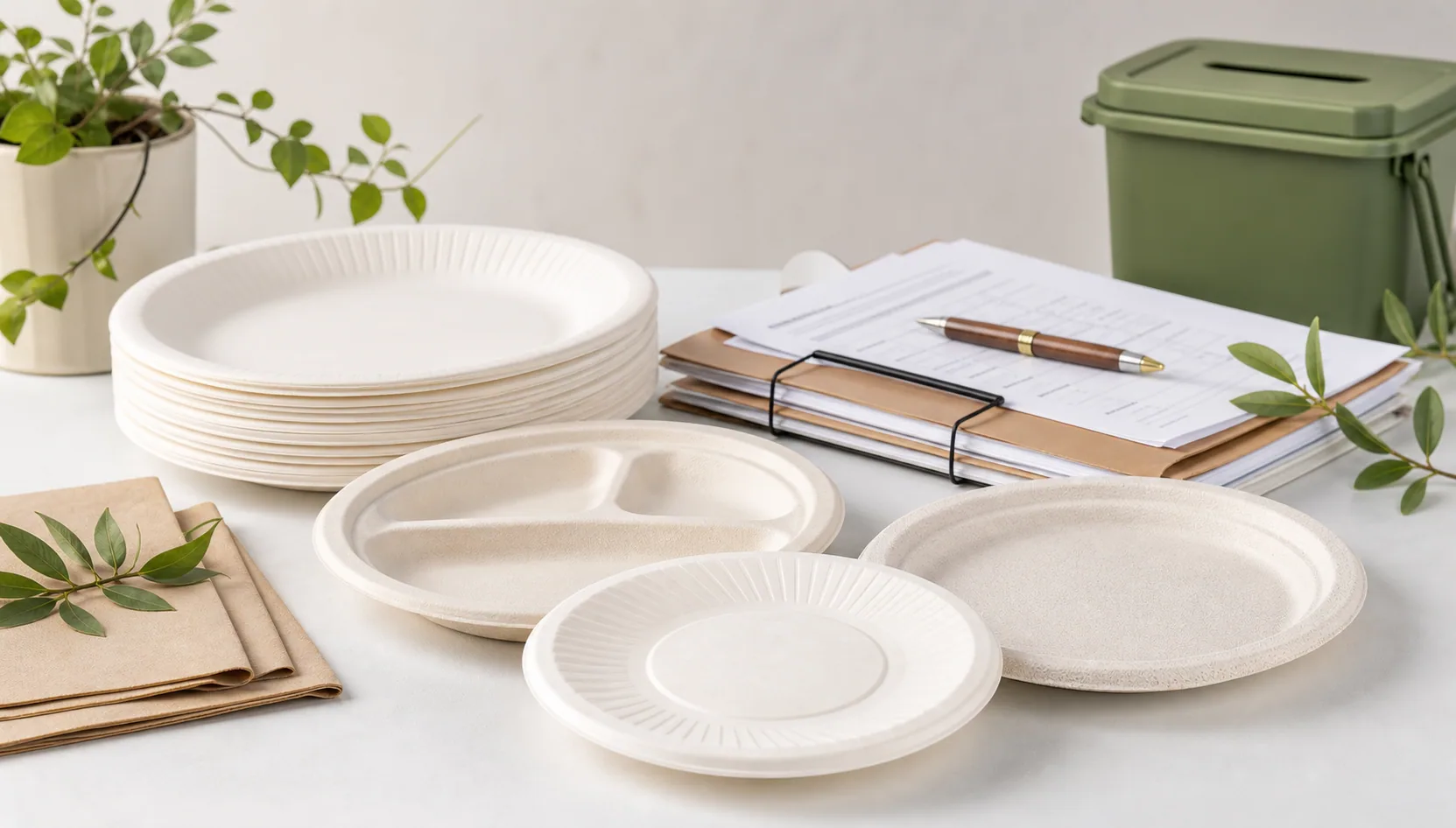
Sugarcane Bagasse: A natural molded fiber made from leftover sugarcane pulp. It feels like premium cardboard but can handle hot soup.
Why Are My "Compostable" Containers Not Breaking Down?
Here’s the catch: most commercial compostable packaging (especially PLA) requires an Industrial Composting Facility to break down. These facilities use high heat (60°C/140°F) and controlled humidity to melt the materials fast.
If your customers throw these containers into their backyard garden pile at normal temperatures, they won't break down quickly. Make sure your city has commercial composting infrastructure before you invest heavily in PLA!
How ToGoTableware Solves This
We refuse to sell greenwashed "oxo-degradable" plastics. Every compostable product we supply—from our clear PLA cold cups to our sturdy Sugarcane Bagasse bowls—holds strict third-party certifications (like BPI or OK Compost). We help restaurants match the right certified material to their local waste infrastructure. [Get a free sustainability audit for your menu!]
FAQ: Everything Else You Want to Know
Q: Are paper bowls better than plastic?
A: Usually yes, but be careful! Many standard paper bowls are lined with a hidden layer of PE plastic to prevent leaking, making them un-recyclable. Always look for PLA-lined or naturally water-resistant paper.
Q: What is the #1 thing in landfills?
A: Food waste and single-use food packaging (including styrofoam and non-recyclable plastics) make up the largest percentage of municipal solid waste in modern landfills.
Q: Is it cheaper to run the dishwasher or use disposable plates?
A: For a busy commercial restaurant, commercial dishwashing (water, electricity, chemicals, and labor) can sometimes outpace the unit cost of cheap disposables, but transitioning to compostable disposables is an investment in brand value and customer loyalty.