How to Test for PFAS Chemically?
Because there are over 12,000 distinct PFAS chemicals, laboratories do not test for every single one; instead, they conduct a "Total Fluorine Test" to detect the elemental building block of all PFAS, ensuring the entire class is absent from the packaging.
Finding the Invisible Needle
For business owners trying to source compliant tableware, understanding how to test for pfas is deeply intimidating.
You cannot simply look at a bowl or smell a paper wrapper to detect synthetic chemicals. Furthermore, isolating specific legacy chemicals like PFOA or PFOS doesn't address the thousands of updated variants currently used in global manufacturing. To solve this, accredited testing labs burn the packaging sample and measure the total amount of elemental fluorine present. Since organic materials like sugarcane or paper naturally contain virtually zero fluorine, a high fluorine count indicates intentional chemical contamination.
Protecting Your Liability
You cannot afford to guess when it comes to chemical compliance.
According to research and testing protocols established by the Environmental Protection Agency (EPA), the widespread migration of PFAS from consumer products into the ecosystem necessitates rigorous initial point-of-sale testing. Using packaging that fails these fundamental chemical tests opens food service operators up to immense legal liability from tightening state regulations, as well as alienating health-conscious consumers.
The Role of Independent Labs and Certifications
With heightened scrutiny, independent certification has become the gold standard of safety:
Intertek & SGS: Major international testing laboratories have developed precise Total Fluorine screening protocols capable of detecting elemental traces down to the low parts-per-million (ppm), ensuring suppliers are held accountable.
The Biodegradable Products Institute (BPI): Reflecting strict modern requirements, BPI acts as a gatekeeper, demanding verified lab tests showing under 100 ppm total fluorine before they grant their highly sought-after compostable mark.

How to Judge and Choose a Valid PFAS Free Certification
You should never have to figure out how to run the chemical tests yourself. It is the supplier's job to provide verified pfas free certification.
When selecting a packaging partner, ask directly for their testing documentation. A legitimate intertek pfas free certification or corresponding lab report explicitly showing "Total Fluorine: None Detected" or below 100 ppm is mandatory. Be wary of broad statements; look for documents matching exactly the SKUs you are purchasing. While a specific nsf pfas free certification is popular for water filtration and certain commercial products, total fluorine reports from major labs like SGS are the benchmark for molded fiber and paper.
Safer Alternatives: Skipping the Chemicals
The easiest way to pass a chemical test is to use packaging engineered without chemicals.
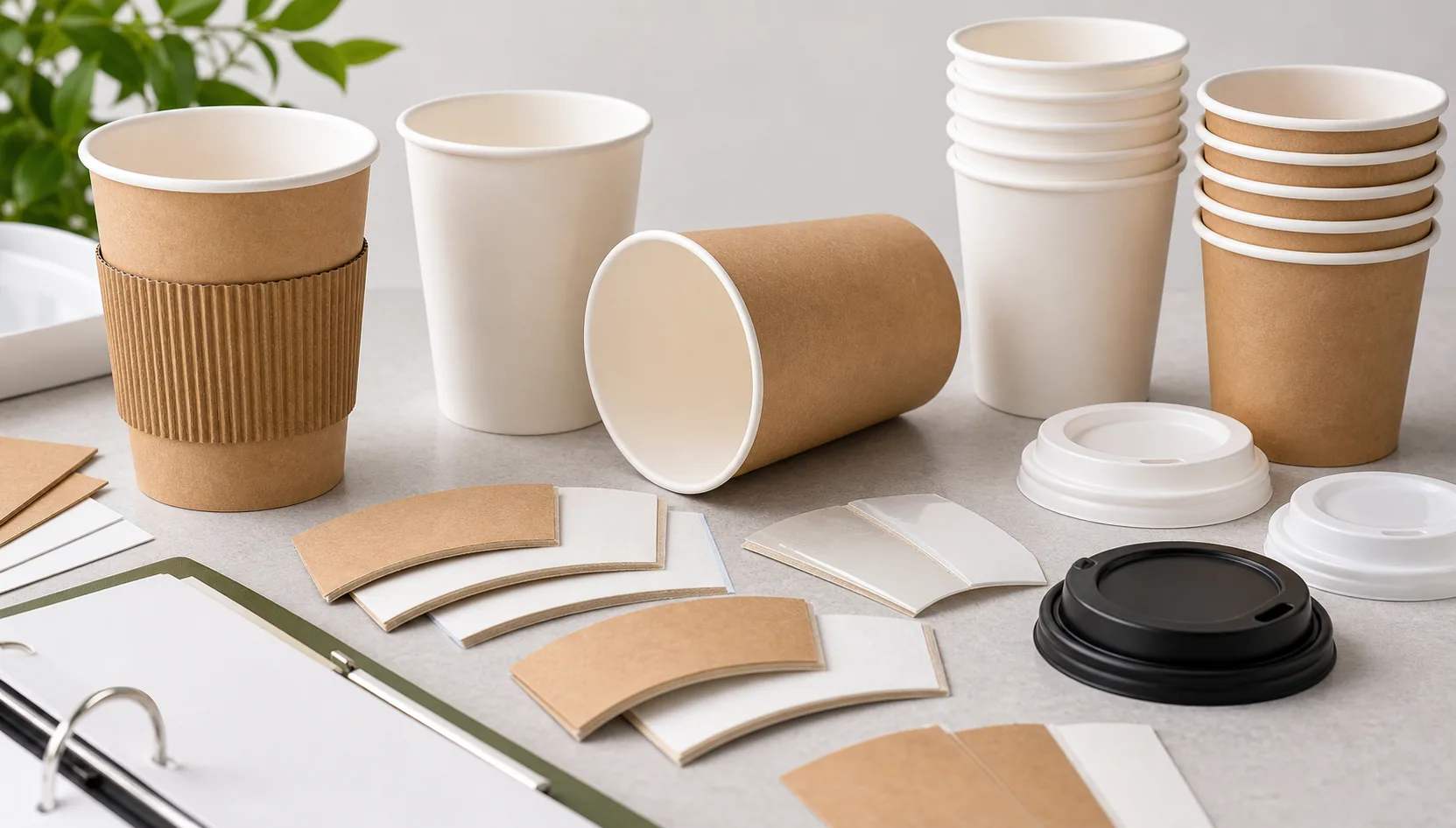
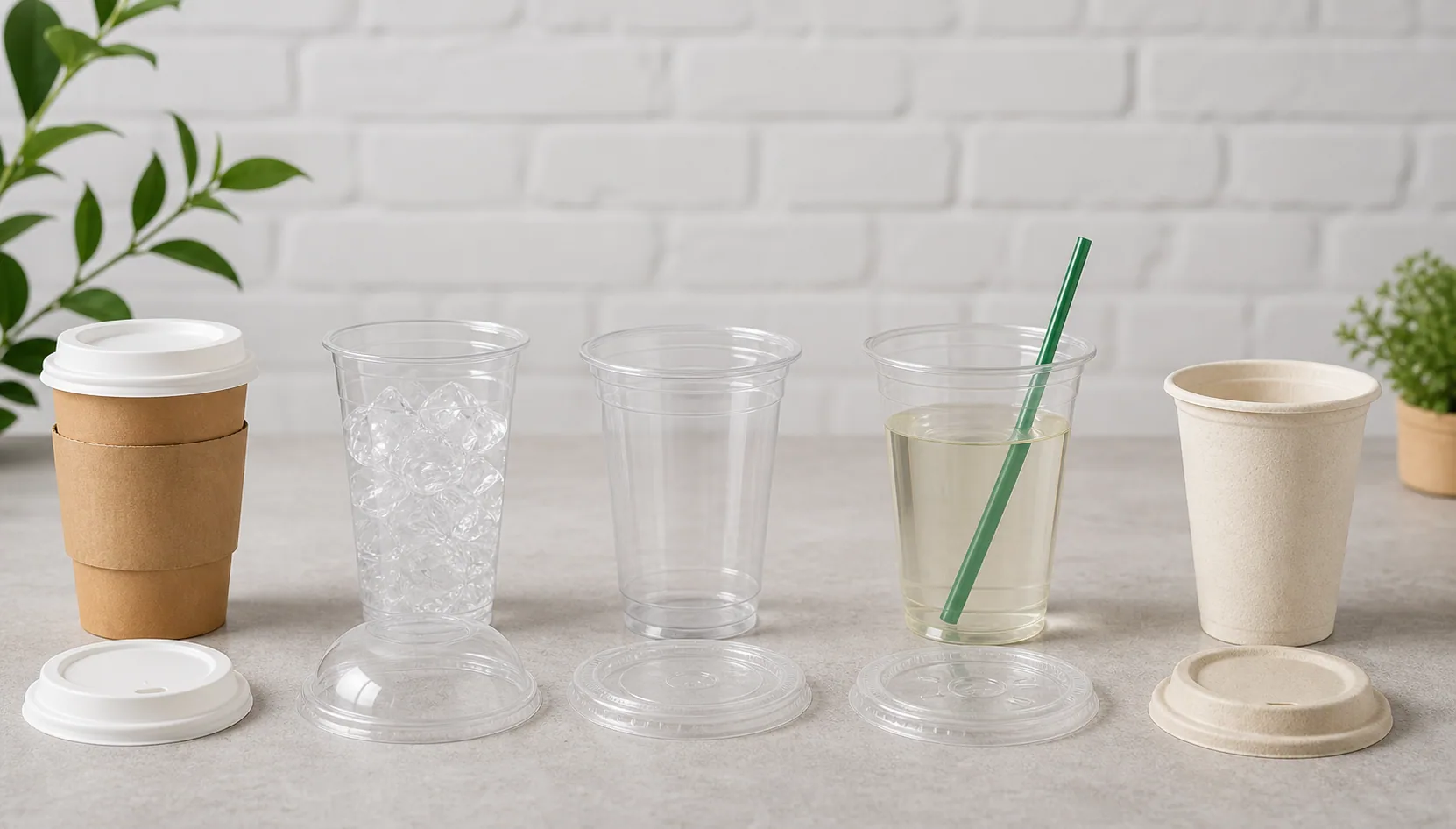
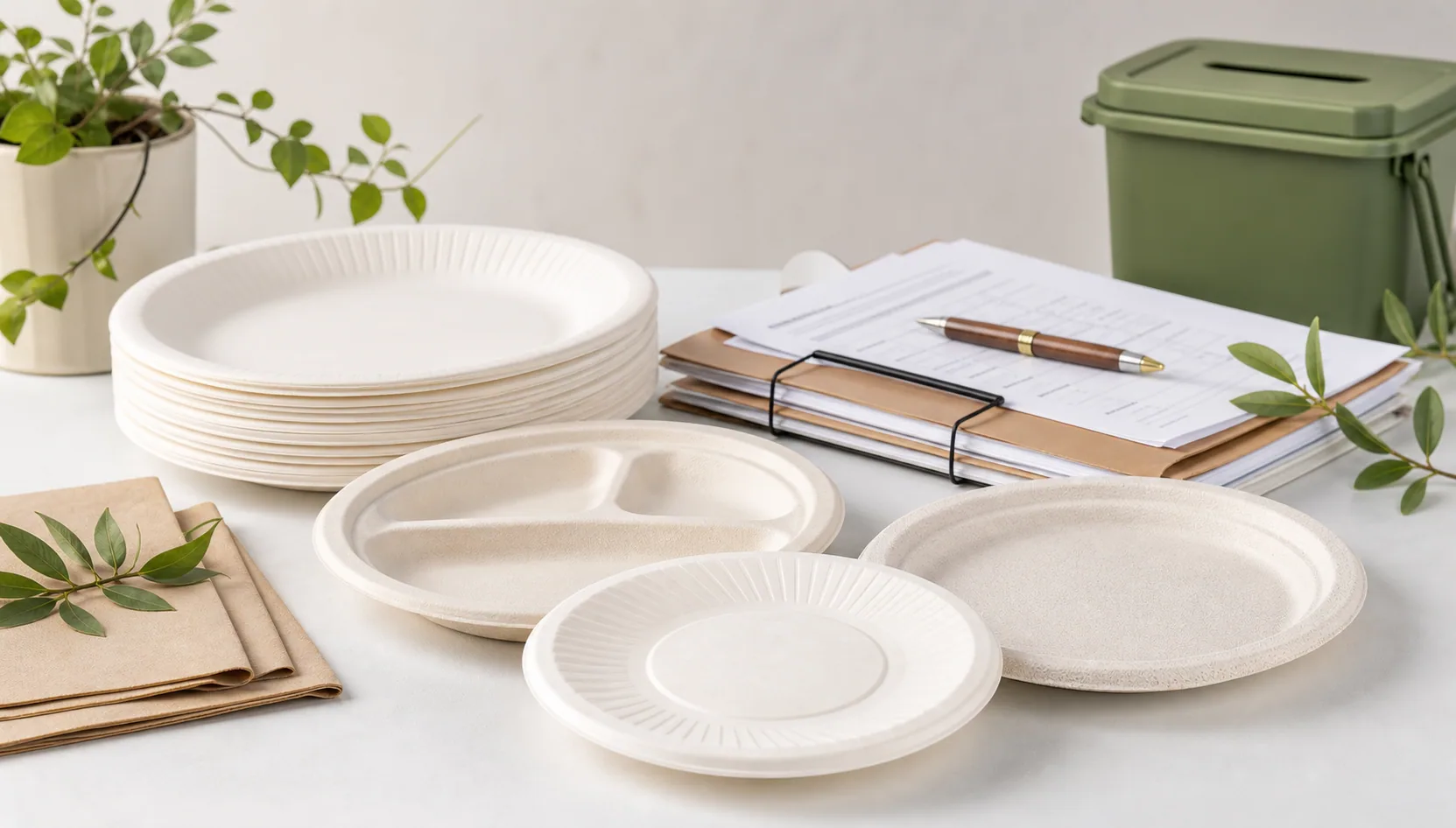
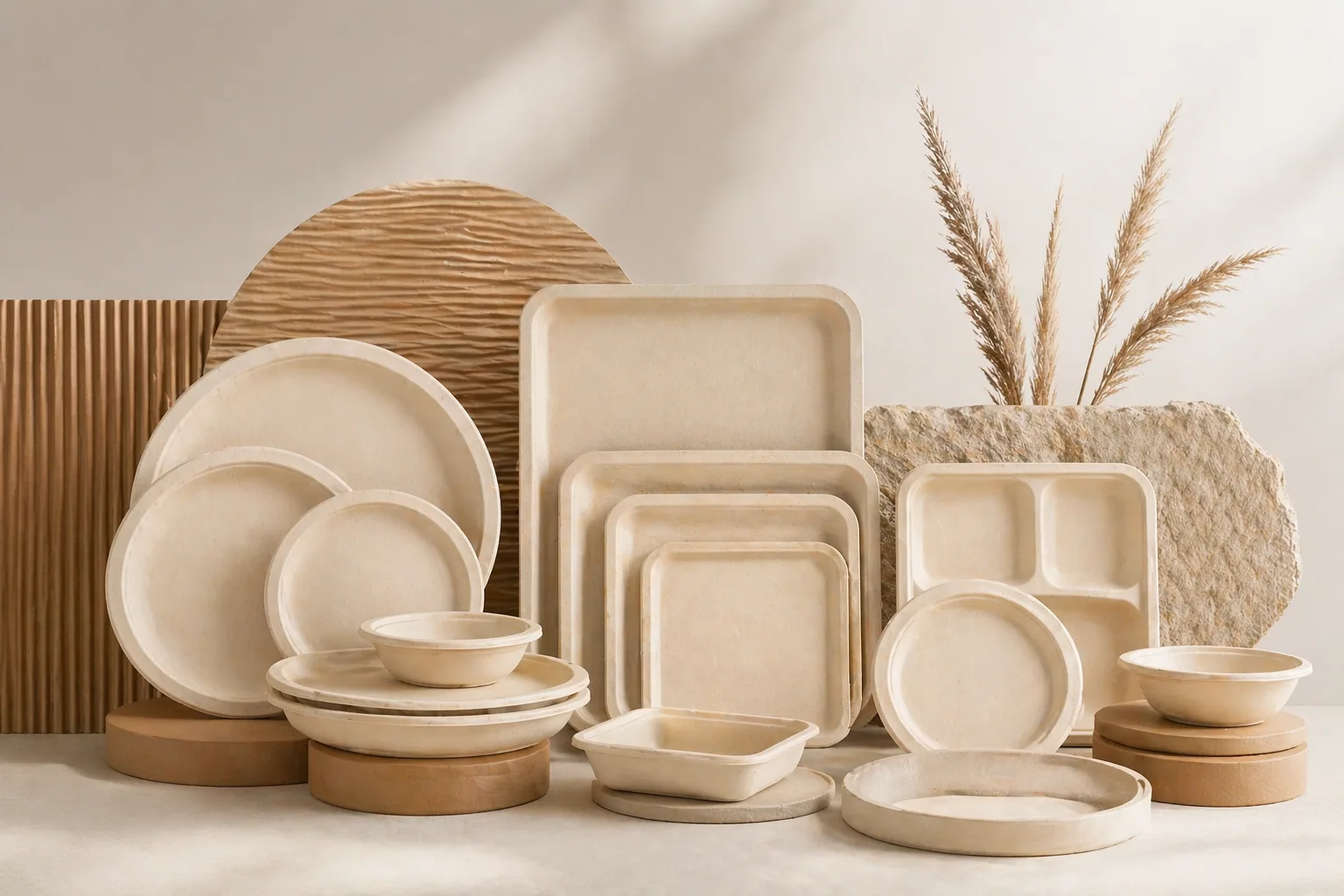
At ToGoTableware, our state-of-the-art bagasse (sugarcane pulp) and paper products use advanced plant-based waterproof and greaseproof coatings. Whether you are searching for lab-certified pfas free paper bowls, fully compostable clamshells, or standard pfas free paper plates, our structural innovations provide superior, natural barrier properties without introducing a single drop of PFAS into your supply chain.
Making the Switch to PFAS-Free Food Packaging
Testing can be complicated, but buying safe products shouldn't be. Choose a partner that does the rigorous chemical vetting for you.

Ready to make the sustainable switch? Explore our complete range of certified pfas free food containers at ToGoTableware. From heavily tested bagasse clamshells to heavy-duty pfas free paper plates, we provide you with lab-tested, genuinely eco-friendly packaging solutions that protect both your food and the environment.
FAQ: Deciphering the Tests
Q: Can I test my food packaging at home?
A: No. While there are some specialized kits on the market for water testing, accurately measuring Total Fluorine in solid food packaging requires advanced laboratory analytical equipment.
Q: Why do tests allow under 100 ppm instead of exactly zero?
A: Due to pervasive background contamination in ambient water and soil, trace, unintentional levels of fluorine might be detected globally. The 100 ppm threshold rigorously enforces the no intentional addition standard without penalizing natural background levels.
Q: Does "compostable" mean it passed a PFAS test?
A: Only if it carries a modern certification (like BPI from 2020 onward) which explicitly includes strict PFAS/Fluorine testing as a prerequisite.